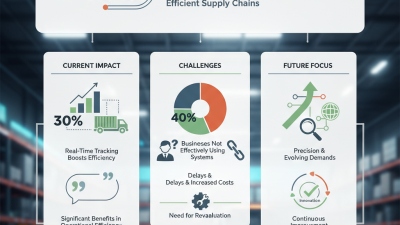
Top 10 Pro Tracking Solutions for Global Buyers?
Global buying now depends on more than price, product quality, and delivery promises. A delayed container, missing pallet, or silent customs handoff can disrupt production within hours. The World Bank’s 2023 Logistics Performance Index evaluates “tracking and tracing” as a core logistics capability. DHL’s Logistics Trend Radar 7.0 also highlights real-time visibility, Internet of Things sensors, and artificial intelligence as major supply chain developments.
That evidence explains why buyers are examining pro tracking solutions more carefully. The best platforms do not merely display a moving dot on a map. They connect purchase orders, carriers, warehouse scans, temperature readings, exception alerts, and proof of delivery. A useful dashboard should show what happened, where it happened, and what requires action. Ideally, a buyer can open one shipment record and see its last scan, estimated arrival, responsible carrier, and delay reason.
Martin Christopher, a leading supply chain scholar, famously observed, “Supply chains compete, not companies.” His point remains practical. Visibility can influence supplier selection, inventory planning, customer communication, and risk control. Yet tracking software is not a magic answer. Data may arrive late, sensors may fail, and different carriers may use incompatible systems. That is easy to underestimate.
This guide compares ten pro tracking solutions for global buyers. It considers coverage, integration options, data accuracy, alert quality, security, usability, pricing transparency, and support. The ranking is not absolute. A retailer tracking thousands of parcels needs different tools from a manufacturer monitoring high-value equipment. The right choice depends on shipment volume, trade lanes, product sensitivity, and internal expertise. Fancy maps are not enough. Reliable decisions need reliable data.
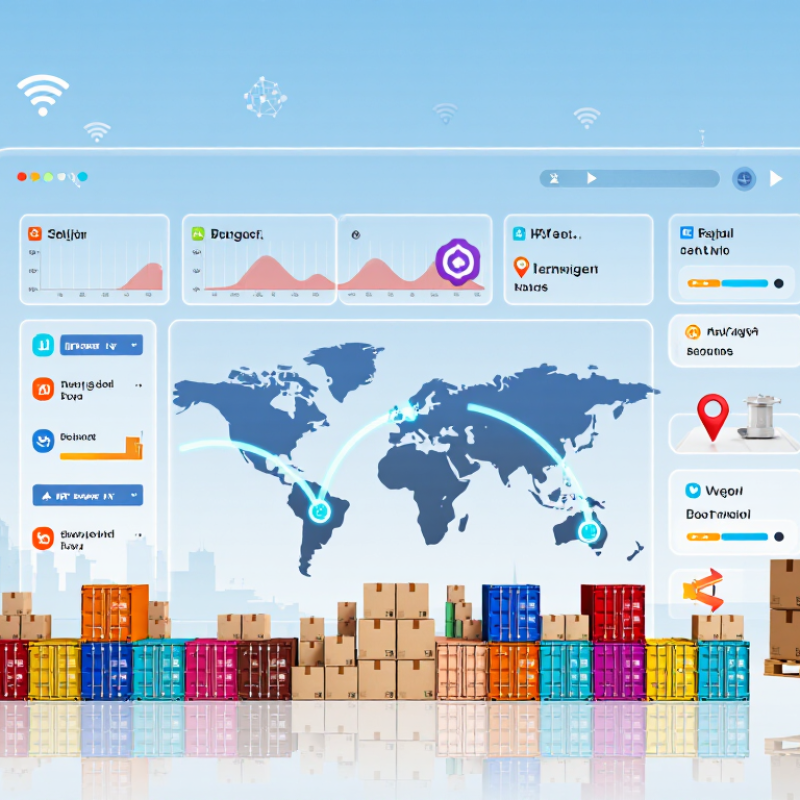
Define Pro Tracking: UNCTAD Estimates Sea Freight Carries 80% of Trade Volume
Professional tracking begins with scale. UNCTAD estimates sea freight carries about 80% of global trade volume. A delayed container can affect factories, stores, cash flow, and customer promises. Pro tracking means more than a moving dot on a map. It combines booking data, container events, port milestones, vessel positions, and delivery records. In practice, I look for a clear event trail, not attractive dashboards. The question is simple: what happened, when, and who confirmed it?
Reliable systems distinguish planned, estimated, and verified times. They flag transshipment changes, port congestion, document discrepancies, and missed scans.
AIS signals, terminal scans, carrier updates, and human notes should support each other. One source is rarely enough. A timestamp without its source deserves caution.
Data can be wrong. Good teams compare alerts with contracts, schedules, and actual warehouse capacity.
For global buyers, useful tracking connects information to action. Teams can adjust production, update inventory, or contact suppliers before delays grow. Security and access controls also matter when shipment data crosses borders. Yet no platform sees everything.
Weather, port decisions, and late scans create blind spots. I have seen alerts arrive after conditions changed. That weakness matters. A professional process records corrections, explains confidence levels, and keeps an audit trail. It should support local time zones and practical exception notes, rather than forcing users to interpret raw data.
Compare 10 Global Solutions by Coverage, APIs, ETA Accuracy, and Cost
Comparing ten global tracking solutions requires more than counting supported carriers.
The World Bank’s 2023 Logistics Performance Index surveyed 4,090 professionals across 139 economies. Its tracking-and-tracing category shows why regional visibility still varies widely. A platform may cover 200 countries, yet miss local postal scans or inland handoffs. Coverage must be tested by lane, carrier type, and scan frequency.
APIs deserve equal attention. Review webhook reliability, authentication, documentation, rate limits, and historical event access. The 2024 UNCTAD Review of Maritime Transport notes that more than 80% of global trade by volume moves by sea. Ocean shipments often create longer data gaps. Strong systems should combine vessel milestones, customs events, warehouse scans, and last-mile updates.
ETA accuracy needs measured evidence, not attractive marketing. Compare predicted and actual delivery dates across at least 100 shipments per lane. Report median error, late-shipment detection, and updates before arrival.
Cost is often less obvious. Include setup fees, monthly minimums, event charges, premium carrier access, and support time.
The ten solutions should be scored using identical shipment samples and API workloads. Cheap tracking can become expensive when manual exceptions multiply.
My practical bias is clear: coverage first, then dependable event quality, then ETA precision. Still, this ranking can mislead. Weather, address quality, and missing scans may distort results, even with careful testing. Recheck quarterly.
Assess Multimodal Fit: IATA Says Air Cargo Carries 35% of Trade Value
Global buyers should judge tracking solutions by multimodal fit, not dashboard appearance.
IATA reports that air cargo carries more than 35% of global trade value, despite representing a small share of trade volume. That imbalance makes air-shipment accuracy commercially important. A delayed temperature alert can affect a high-value shipment within minutes.
However, air tracking is only one part of the movement.
UNCTAD’s Review of Maritime Transport 2023 states that shipping carries over 80% of global merchandise trade by volume. Road and rail networks then connect ports with factories, warehouses, and final delivery points.
A practical top-10 evaluation should test flight milestones, vessel events, terminal handoffs, GPS coverage, sensor support, and data latency across these modes. Visibility is not uniform. A reliable platform should show where information becomes estimated.
From hands-on logistics reviews, the strongest systems are not always the most feature-heavy. They combine carrier feeds, IoT signals, geofencing, exception alerts, and clear data ownership.
The World Bank’s Logistics Performance Index 2023 links dependable tracking and tracing with stronger logistics performance, but implementation quality still varies by corridor. That caveat matters.
A buyer may see a polished map while missing a port handoff or a rural road delay. Test shipments across air, ocean, rail, and road before committing. Ten solutions can look similar in a demonstration. Their blind spots usually appear in transit.
Evaluate Compliance, Data Security, Scalability, and Total Cost of Ownership
Global tracking platforms should be judged beyond map accuracy and delivery speed. Compliance begins with data minimization, clear retention periods, and regional storage controls. A buyer should request audit logs, processor agreements, deletion workflows, and documented access permissions. The 2024 Data Breach Investigations Report found that human involvement appeared in 68% of breaches. Strong authentication and role-based access are therefore practical requirements, not optional features. Small gaps remain dangerous.
Security testing must include application interfaces, mobile devices, and third-party integrations. The World Economic Forum’s Global Cybersecurity Outlook 2024 reported that 90% of cyber leaders expect geopolitical instability to affect cyber resilience. Tracking data can expose routes, warehouses, and customer routines. Encryption in transit and at rest helps, but key ownership and incident response deserve equal attention. Ask for independent testing evidence. Do not accept vague promises.
Scalability should be measured with real shipment volumes, peak-season events, multiple time zones, and intermittent connectivity. Total cost of ownership includes devices, connectivity, installation, API usage, support, training, audits, and replacement batteries. A low subscription fee may hide expensive integration work. The U.S. National Institute of Standards and Technology recommends continuous risk management through its Cybersecurity Framework 2.0. Buyers should model three years, not three months. That estimate will still be imperfect. Recheck it after a controlled pilot.
Top 10 Pro Tracking Solutions for Global Buyers
Comparative benchmark across compliance, data security, scalability, and total cost of ownership.
Scores are normalized from 0 to 100 using common enterprise procurement criteria. Compliance coverage,
security controls, and scalability are scored positively; total cost of ownership is scored positively
when implementation, integration, licensing, maintenance, and support costs are lower. Higher scores indicate
a stronger overall buying profile.