Top 10 Freight Package Tracking Solutions for Global Shippers?
In today’s fast-paced logistics landscape, effective freight package tracking has become crucial for global shippers. According to a report by the International Air Transport Association (IATA), the freight transport sector is expected to grow by 4.1% annually over the next five years. This demand highlights the importance of reliable tracking solutions. However, many shippers still grapple with outdated systems that fail to provide real-time visibility.
A study by Logistics Management reveals that 67% of businesses experience significant delays due to lack of tracking capabilities. These statistics stress the need for innovative freight package tracking tools. Companies must invest in technology that offers accuracy and timely updates. Yet, it can be overwhelming to choose from the myriad of available options.
As technologies advance, some shipping providers struggle to adapt. Many systems promise efficiency but fall short in execution. It's essential for shippers to weigh options carefully. They should seek tools that enhance both visibility and accountability throughout the supply chain. Understanding the unique needs of their operations is key. By doing so, they can select the most effective freight package tracking solution.

Overview of Freight Package Tracking Solutions for Global Shippers
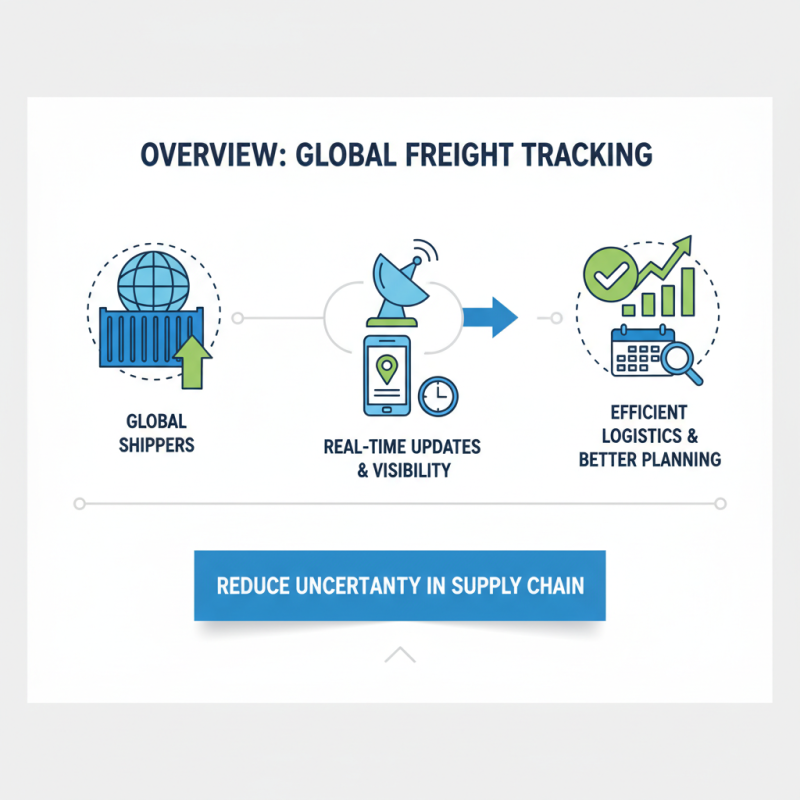
Freight package tracking solutions are essential for global shippers. These tools help manage logistics efficiently. They offer real-time updates on package locations. This visibility reduces uncertainty in the supply chain. Shippers can plan better with accurate tracking information.
Many tracking solutions include advanced features. Some provide SMS alerts for delivery updates. Others integrate with existing logistics systems seamlessly. This integration enhances workflow. However, not all solutions are created equal. Some may lack user-friendly interfaces. Complexity can lead to confusion among staff. Regular training is necessary.
Selecting the right solution requires careful consideration. Take time to analyze your specific needs. Look for features that align with business goals. Conduct trials to evaluate ease of use. Feedback from staff can offer insights. Remember that the best choice is not always the most expensive one. Assessing the return on investment is vital for long-term success.
Key Features of Effective Freight Tracking Systems
In the world of logistics, effective freight tracking systems are vital for global shippers. A well-designed tracking solution enhances visibility and accountability. Shippers can monitor shipments in real-time, ensuring timely deliveries. According to a recent report, 79% of consumers prefer merchants that offer real-time tracking updates. This data highlights the significance of a reliable tracking solution.
Key features of effective freight tracking systems include automated alerts. These alerts keep stakeholders informed about status changes. Additionally, integration with existing supply chain management software is crucial. This integration minimizes errors and streamlines operations. A study indicates that companies using integrated systems reduce operational costs by 30%.
Tip: Invest in systems with user-friendly interfaces. This facilitates smoother training for staff. Another useful practice is to utilize GPS technology for precise location tracking. It significantly improves shipment transparency. A common oversight is neglecting to update tracking information promptly. Regularly revisiting the system can lead to better responsiveness. Consistency in tracking updates builds customer trust over time.
Comparison of Popular Freight Tracking Tools
When considering freight tracking tools, shippers need reliable solutions. Many options exist, but not all meet the needs of global shippers. Some tools provide real-time GPS tracking, offering precise location updates throughout the shipment process. Others focus on communication, allowing users to get timely alerts and notifications.
Cost is an important factor in choosing a tracking solution. Some platforms offer free trials, while others charge monthly fees. Budget constraints often limit options. User testimonials can provide insights into reliability and ease of use. Trade-offs exist; a feature-rich tool might have a steeper learning curve. Shipping options vary significantly across regions, making adaptability crucial for diverse freight needs.
Integration with existing systems is vital. Some tools seamlessly connect with logistics software, while others require manual input. This can lead to potential errors, resulting in inefficiencies. Transparency in pricing and features is essential, as hidden fees can complicate budgeting. Ultimately, finding the right tool involves balancing features, cost, and user compatibility.
Challenges in Implementing Freight Tracking Solutions
Implementing freight tracking solutions can be a daunting task for many global shippers. The complexity of supply chains often leads to data silos. These silos can result in inconsistent information, making it difficult to track shipments effectively. Technical challenges arise when integrating various systems. Disparate software might not communicate well, hindering real-time updates and causing delays.
Another issue is the varying levels of technology adoption among partners. Some may have advanced systems, while others rely on outdated methods. This disconnect can complicate collaboration and transparency. There's also the human factor; employee training is critical but often overlooked. Inadequate training can lead to resistance and misuse of the new solutions.
Costs pose a significant challenge as well. While tracking solutions can optimize operations, upfront investment in software and hardware can be substantial. Companies must weigh the immediate expenses against long-term benefits. Without proper planning, shippers may find themselves struggling to justify these expenses. Each of these challenges requires careful reflection and targeted strategies to overcome.