How to Track Shipments with Logistics Tracking

A shipment can look like a single moving dot on a screen, but reliable logistics tracking involves much more: timestamps, scan events, carrier updates, and clear delivery expectations. A pallet may leave a warehouse at dawn, pause at a regional hub, then miss its estimated arrival by several hours. Knowing what each status means helps teams respond calmly instead of guessing. Small details matter.

Logistics scholar Martin Christopher describes supply chain management as “the management of upstream and downstream relationships with suppliers and customers to deliver superior customer value at less cost to the supply chain as a whole.” Shipment visibility supports that wider goal, but a tracking page cannot fix every delay. Data may arrive late. A scan may be skipped. That part deserves attention, too. This guide explains how to track shipments using carrier websites, tracking numbers, and shipment notifications; how to interpret common status messages; and what to do when updates stop. It also considers how businesses can compare tracking tools and share useful information with customers. The practical aim is simple: make the shipment’s progress easier to verify, spot exceptions earlier, and set realistic expectations. A tracking estimate is not a promise. Treat it as useful evidence, check the source, and follow up when the details do not add up.
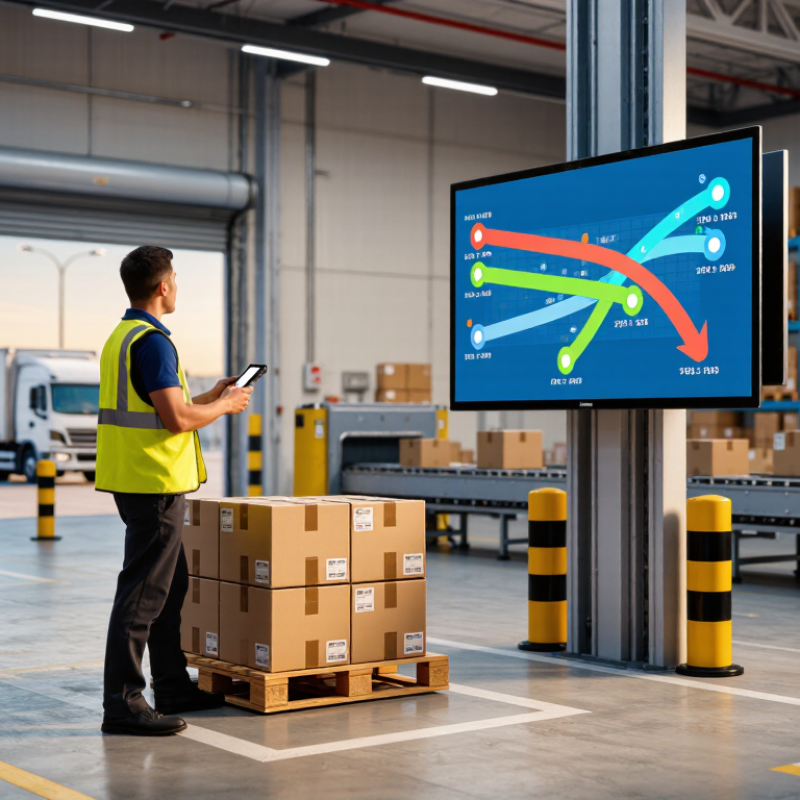
How to Track Shipments with Logistics Tracking

What Logistics Shipment Tracking Means

Logistics shipment tracking records and shares events as a parcel or freight load moves through a transport network. Each event may come from a barcode scan, a vehicle location update, or a handoff recorded at a depot. Together, these records show where an item was last observed and what step followed.

That matters. Tracking is not always a live view of a box. A status such as “in transit” may cover several hours between scans, especially on long routes or during busy periods. The system reports available evidence; it does not see inside every truck or container.

For a shipper, tracking turns separate movements into a usable timeline: pickup, sorting, departure, arrival, and delivery. A recipient can use it to plan around a delivery window, while an operations team can notice a missed scan or an unexpected delay.

The term can sound more precise than the service really is. Updates depend on devices, network access, and staff recording handoffs correctly. A parcel may reach a local depot before its status changes, leaving a short gap between reality and the screen.

Not every gap signals a problem; some movement simply goes unreported for a while. Reading tracking well means checking the event time, location, and wording together, rather than treating every status as a guarantee.


What Information You Need to Track a Shipment

To track a shipment, start with its exact tracking number or reference code. A single mistyped digit can lead to a dead end or another shipment’s details. Keep it handy. You may also need the carrier name, especially when a seller uses a separate delivery company for the final leg. For freight, look for a PRO number, bill of lading number, or container number on the shipping document. These identifiers are not interchangeable, so check the label beside the code.

The shipment date and destination postal code can help narrow a search when several records look similar. Some systems may ask for the recipient’s email or phone number; enter those details only on a trusted tracking page. After you find the record, compare scan times and locations with the expected route. A status such as “label created” may mean the parcel has not yet received its first carrier scan. That gap can be frustrating, and tracking updates are not always immediate. Save the reference number and note the latest scan, including its date and time. If the route appears stalled, those details make it easier to ask the sender or carrier a clear question.

How to Choose a Logistics Tracking Method

Choosing a logistics tracking method starts with the question: how quickly must you know when a shipment changes status? For occasional parcels, carrier scan updates may be enough. For freight moving across several modes, compare systems that combine milestones, estimated arrival times, and exception alerts. The World Bank’s 2023 Logistics Performance Index includes tracking and tracing among its six measures of logistics performance. Its report puts average international shipment time at 44 days, with a 10-day standard deviation. A single “in transit” label can hide a lot.

Check how each method gets its data. Barcode scans are affordable, but updates depend on staff scanning at handoff points. GPS or connected sensors can provide more frequent location or condition readings, though coverage, battery life, and device costs matter. A transport management system may bring carrier updates into one dashboard; confirm it supports your carriers and transport modes before committing. Test a real route, including a delayed handoff. Small details matter.

Choose alert frequency based on the decision it supports. A warehouse may need notice before a late truck misses its unloading slot; a customer may only need a revised delivery window. Review data gaps and timestamps, not just the map. More visibility is not always better. I would be cautious about promising live accuracy everywhere: rural coverage and manual scans can leave blind spots, and dashboards do not fix them.

How to Track Shipments with Logistics Tracking - How to Choose a Logistics Tracking Method

Tracking method How it works Typical visibility Update pattern Relative setup cost Best suited for Main limitation
Carrier tracking page Enter a shipment or parcel reference number on the carrier’s tracking page. Milestones such as pickup, facility arrival, out for delivery, and delivery confirmation. Usually changes when a parcel is scanned or a milestone is recorded; timing varies by route and service. Low Occasional checks and low-volume parcel shipments. May show limited detail between scan events and may require checking multiple carrier websites.
Email or SMS notifications Shipment events trigger messages to recipients who have provided contact details and, where required, consent. Selected status changes, estimated delivery information, or delivery confirmation. Event-based; notifications depend on available tracking events and delivery of the message. Low to moderate Keeping customers informed without asking them to repeatedly check a tracking page. Messages can be delayed, filtered, or missed, and may not provide continuous location data.
Barcode or QR-code scanning A label is scanned at handoffs or processing points, and the scan is recorded against the shipment. Documented custody and movement through facilities or checkpoints. At each scan; gaps can occur when a checkpoint is missed or the scan is uploaded later. Low to moderate Warehouse operations, parcel sorting, and routine handoff records. Shows a recorded checkpoint, not the shipment’s exact location between scans.
GPS or vehicle telematics A device in or on a vehicle reports location through a connected tracking system. Vehicle location and route progress; it does not necessarily confirm the location of an individual item on board. Periodic or near-real-time, depending on device settings, connectivity, and service. Moderate to high Fleet operations, high-value loads, and shipments needing closer route oversight. Requires compatible devices and connectivity; signal, battery, and coverage can affect reporting.
EDI or API tracking integration Shipment events are exchanged electronically between logistics systems and business software. Consolidated status data from connected carriers or logistics partners. Event-driven or periodically refreshed; frequency and available events depend on the integration. Moderate to high Businesses managing many shipments across multiple partners or internal systems. Requires setup, data mapping, and ongoing maintenance; event coverage can differ by partner.
RFID tracking Radio-frequency identification tags are read by compatible equipment as items pass within a reader’s range. Presence or movement at equipped locations, such as a warehouse doorway or loading area. When a tag is read; coverage depends on reader placement, tag type, and the environment. Moderate to high Inventory workflows and repeated tracking through controlled facilities. Requires tags and readers; it does not provide continuous long-distance location by itself.

Update intervals, available events, and costs vary by service, route, equipment, and integration. Choose a method based on shipment volume, required visibility, budget, and the level of location detail needed.

How to Check a Shipment’s Tracking Status

How to Track Shipments with Logistics Tracking

How to Check a Shipment’s Tracking Status

Start with the tracking number on your shipment confirmation or delivery receipt. Enter it in the carrier’s tracking portal, then check that the shipment’s origin and destination match your records. A status such as “label created” may mean the parcel has not yet received its first physical scan. “In transit” usually indicates movement between facilities, not continuous motion. Check the latest scan time and location, not just the headline status. Small details matter.

Compare the estimated delivery date with the most recent scan. A parcel can show no update while it travels between hubs, especially overnight or across weekends. If the date passes, contact the sender or carrier with the tracking number, last scan, and delivery address ready. MHI’s 2024 Annual Industry Report found that 55% of respondents planned to increase investment in supply chain technology and innovation. That signals growing attention to digital visibility, but tracking data can still be delayed or incomplete. It is not a live view of every handoff.

For a practical check, save the tracking page and review it again later rather than refreshing every minute. Look for exceptions such as “delivery attempted” or “address issue,” and verify whether action is requested. I once assumed a quiet tracking page meant a parcel was stalled; the next scan showed it had reached a local facility. Easy to misread. If a status remains unchanged beyond the carrier’s stated window, ask for a trace and keep the response reference.

How to Track Shipments with Logistics Tracking

How to Check a Shipment’s Tracking Status

This illustrative snapshot groups 1,000 shipments by their latest tracking status. To check an individual shipment, enter its tracking number in the carrier’s tracking tool and review the latest scan, timestamp, and location. A status may not update until the next scan.

How to Respond to Delays or Tracking Issues

When a shipment stops moving, treat its last scan as a clue, not proof of its location. Not a guarantee. Check the event time zone, scan description, and delivery window before contacting the carrier. Save a screenshot and note the tracking number, last recorded facility, and any exception code. The World Bank’s 2023 Logistics Performance Index covers 139 economies and includes tracking and tracing among its six core measures. That makes clear why scan visibility matters, but a scan can still lag behind a parcel’s actual movement.

Contact the carrier through its official support channel and ask specific questions: Was the parcel physically scanned? Is it awaiting a transfer, or has an exception been opened? Request a case number and a realistic time for the next update. If the tracking page shows “delivered” but nothing is at the door, check nearby entrances and reception areas, then report the mismatch promptly. Keep the recipient informed with verified facts and a clear time for your next update. Avoid promising a delivery date you cannot confirm.

For broader delays, compare the parcel’s route with the service’s published timelines and escalate when those limits pass. UNCTAD’s 2024 Review of Maritime Transport reports that shipping carries over 80% of world trade by volume, so disruptions can ripple across routes. Still, not every quiet tracking page signals a major problem. The difficult part is knowing when to wait—and when the evidence warrants action.