How to Use Logistics Pro Tracking for Efficient Shipping?
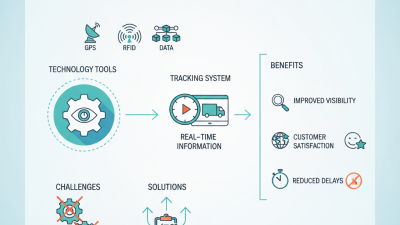
Efficient shipping is crucial in today’s fast-paced logistics environment. According to a report by Statista, 63% of supply chain professionals prioritize tracking technology. The integration of logistics pro tracking can greatly enhance visibility and customer satisfaction. Companies using advanced tracking systems reduce delays by 22% and improve overall delivery accuracy by 30%.
Despite these advantages, many businesses still struggle to implement effective logistics tracking solutions. Some organizations may underestimate the importance of accurate data. This oversight can lead to increased shipping costs and dissatisfied customers. Additionally, without proper training, staff may not utilize logistics pro tracking to its full potential.
Establishing a streamlined approach to logistics tracking can transform operations. Businesses must reflect on current practices and seek expert guidance. Emphasizing continuous improvement in logistics pro tracking can result in more efficient shipping processes. Taking actionable steps today can secure a competitive edge in tomorrow’s market.

Understanding Logistics Pro Tracking and Its Features
Logistics Pro Tracking offers an array of features designed to streamline shipping processes. With the global logistics market projected to reach $12 trillion by 2025 (Statista), effective tracking technologies have become essential. One of the primary advantages of Logistics Pro Tracking is real-time shipment visibility. This capability allows businesses to monitor the status of packages at any time. In fact, 79% of consumers expect real-time updates on their order status (IBM).
The platform's integration with multiple carriers enhances its functionality. Users can manage shipments from various sources in a single interface. This reduces the complexity often associated with multi-carrier logistics. Additionally, analytics tools assist in understanding shipping patterns. Such insights can reveal inefficiencies and guide improvements. However, businesses must remain vigilant. Data security breaches in logistics can lead to significant trust issues.
Moreover, while Logistics Pro Tracking provides robust features, its user-friendliness can vary. Some users may find the initial setup time-consuming. Despite these challenges, the potential efficiency gains are notable. Businesses leveraging such technology can improve on-time delivery rates. According to a McKinsey report, improving delivery reliability can increase customer satisfaction by as much as 30%. Thus, understanding the complete functionality of Logistics Pro Tracking is crucial for optimizing shipping strategies.
Setting Up Your Logistics Pro Account for Shipment Tracking
Setting up your Logistics Pro account for shipment tracking is crucial for an efficient shipping process. Begin by visiting the official website. Create an account using your email and a strong password. Make sure to verify your email to activate the account. A verified account helps in securing your shipment details and ensuring smooth tracking.
After setting up, it’s essential to input your shipping preferences. Fill in your address details accurately and specify your preferred method of tracking. Many users overlook updating these settings regularly, which can lead to incorrect shipment information. Regularly reviewing these settings is wise to adapt to any changes in your shipping requirements.
**Tips:** Always use a unique password for your Logistics Pro account. This adds an extra layer of security. Additionally, enable notifications for shipment updates. This way, you remain informed about your packages in real-time. Lastly, check if your contact information is up to date to prevent missing any crucial updates. Mistakes here can delay your shipping process.
Shipment Tracking Efficiency Over Months
Navigating the Interface: How to Access Tracking Information
Navigating the interface for tracking logistics is essential for efficient shipping. With complex supply chains, having accurate information at your fingertips can mitigate delays. The ability to access real-time tracking helps companies meet consumer expectations. According to recent industry reports, over 75% of consumers expect to track their shipments online.
To access tracking information, start by selecting the appropriate interface. Simple navigation is key. Most platforms offer user-friendly dashboards that display shipment status quickly. Look for features like shipment history and delivery estimates. Effective use of these tools can streamline supply chain operations. However, trainers often note that not all employees feel comfortable with these technologies. Continuous training can bridge this gap.
Interpreting the tracking data also requires some critical thinking. Sometimes, discrepancies occur, causing confusion. For example, a shipment might show as delayed when it’s actually in transit. Educators emphasize focusing on problem-solving rather than just data review. Having a proactive approach enables companies to address issues promptly. Engaging with your tracking system can reveal hidden efficiencies, but it also demands ongoing effort and attention.
Interpreting Shipment Statuses: What Each Status Means
Understanding shipment statuses is crucial for effective logistics management. When you track a shipment, you'll encounter various statuses. Each one provides insights into where your package is in the shipping process.
“Pending” indicates that the shipment hasn’t been processed yet. This could be due to several factors, such as waiting for pickup or customs clearance. “In Transit” reassures you that the package is on its way, but it can also mean delays. Occasionally, packages might get stuck at a facility. Not being aware of this can lead to unnecessary anxiety.
“Delivered” is often the most awaited status. It marks the end of your wait. However, if it’s marked as delivered but you haven’t received it, confusion can arise. Double-checking with neighbors or the delivery service is a wise move.
It’s important to remember that not all statuses are straightforward. Miscommunication can happen, leading to updates that aren’t clear. Use tracking updates to plan around these uncertainties, ensuring that your shipping operations remain efficient.
Optimizing Your Shipping Process with Logistics Pro Insights
Efficient shipping relies heavily on optimized logistics processes. Recent reports indicate that companies can lose up to 15% in logistics costs due to inefficiencies. Utilizing precise tracking systems can significantly enhance visibility and control over shipments. This visibility allows businesses to identify bottlenecks and react swiftly to delays.
Data suggests that 70% of customers expect real-time tracking information. Meeting this expectation is essential for maintaining trust and satisfaction. By leveraging insights from logistics tracking, businesses can refine their shipping strategies. A focus on key performance metrics, like delivery time and cost per shipment, can unveil opportunities for improvement.
However, not all tracking systems are created equal. Discrepancies and inaccuracies in data can lead to poor decision-making. Companies often find it challenging to analyze the vast amounts of data they collect. Continuous improvement is crucial in this landscape; learning from past mistakes will help shape better logistics practices. It’s vital to invest in reliable tracking solutions and encourage a culture of accountability within the organization.