What is Transportation and Shipping in Modern Logistics?
Transportation and shipping play a crucial role in modern logistics. According to Dr. Emily Carter, a leading expert in supply chain management, "Effective transportation and shipping strategies are key to success in any business." This highlights the influence of logistics on the economy.
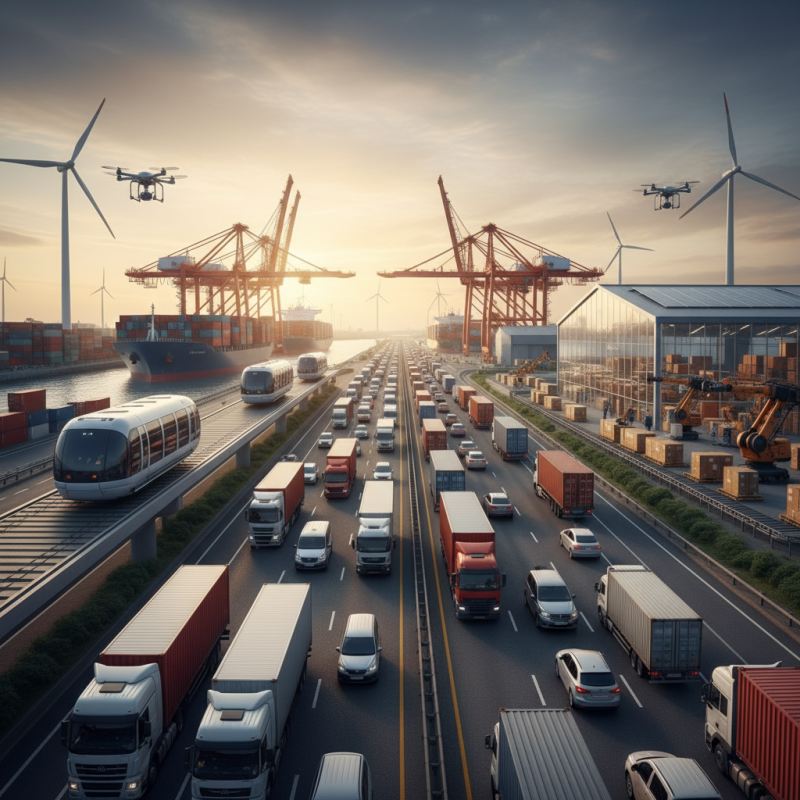
At the heart of transportation and shipping, we find a complex network of services and technologies. These ensure goods move efficiently from suppliers to consumers. However, challenges exist. Traffic congestion and rising fuel costs can complicate operations. Companies must adapt to these issues.
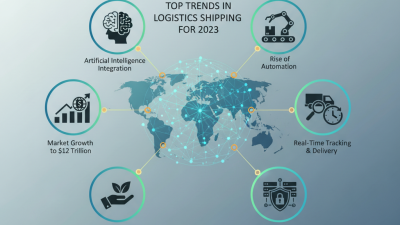
Innovation in this sector is vital. Technologies like AI and automation are reshaping logistics. Yet, implementation can be costly and requires careful planning. As the market evolves, professionals must reflect on both successes and setbacks. Balancing efficiency with sustainability remains an ongoing challenge in transportation and shipping.
Defining Transportation and Shipping in the Context of Logistics
Transport and shipping are vital components of modern logistics. They link suppliers, manufacturers, and customers. Transportation moves goods from one place to another. It encompasses various modes, including road, rail, air, and sea. Each has its own advantages and limitations.
Shipping, however, involves the actual transfer of goods. This process often requires careful planning and coordination. Timing is crucial; delays can lead to significant losses. Goods must be packed correctly to avoid damage during transit. For instance, fragile items require cushioning. Poorly packed goods may arrive broken, which reflects poorly on logistics operations.
Logistics also faces challenges in transportation and shipping. Infrastructure issues, such as traffic congestion, can impact delivery times. Regulatory hurdles can complicate cross-border shipping too. It’s important to continuously reassess these issues. Reflection helps companies improve processes and enhance customer satisfaction. Ultimately, understanding transport and shipping is key to successful logistics operations.
The Role of Transportation in Supply Chain Management
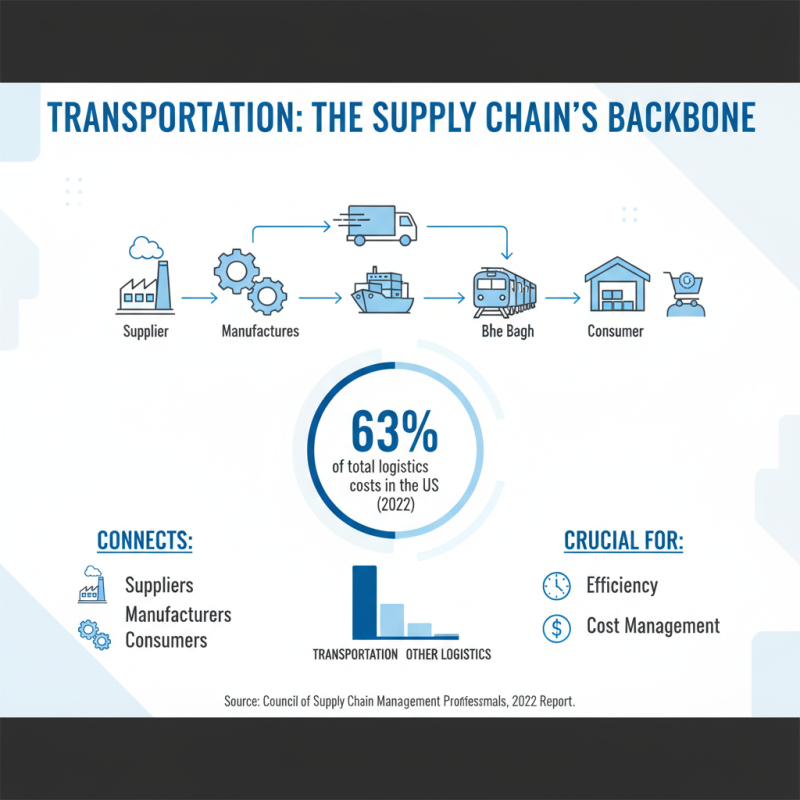
Transportation plays a crucial role in supply chain management. It's the backbone that connects suppliers, manufacturers, and consumers. According to a 2022 report by the Council of Supply Chain Management Professionals, transportation costs account for nearly 63% of total logistics costs in the U.S. This statistic highlights its significance in overall supply chain efficiency.
In many cases, companies struggle with optimizing their transportation networks. Inefficiencies can lead to delays and increased expenses. The average cost per mile for freight trucking has risen to around $3.12 as of late 2023. Such expenses can negatively impact profit margins. Companies must invest in data analytics to improve route planning and inventory management.
Furthermore, businesses face challenges like fluctuating fuel prices and regulatory changes. These factors can create uncertainty in transportation planning. It's essential for supply chain leaders to stay informed. Adapting to trends and consumer demands is vital. A rigid transportation strategy can hinder success. Flexibility and innovation are necessary for effective logistics in today's fast-paced market.
Types of Transportation Modes in Modern Shipping
Transportation plays a crucial role in modern logistics. It involves moving goods from one location to another. The efficiency of transportation impacts delivery times and costs. Various transportation modes cater to different logistics needs.
There are several primary modes of transportation used today. Road transport is the most common. Trucks deliver goods door-to-door. Rail transport is efficient for bulk items over long distances. Ships handle cargo across oceans, enabling global trade. Air transport, while fast, can be costly and is often used for high-value items. Each mode has its own advantages and limitations.
Deciding on a transportation method is not always clear-cut. Each mode presents challenges. Delays can occur in road transport due to traffic. Rail service may face scheduling issues. Shipping by sea takes time, and weather conditions can cause setbacks. Air transport, while quick, is affected by air traffic and logistics handling. These factors need consideration when planning logistics strategies.
Technological Innovations Impacting Transportation and Shipping
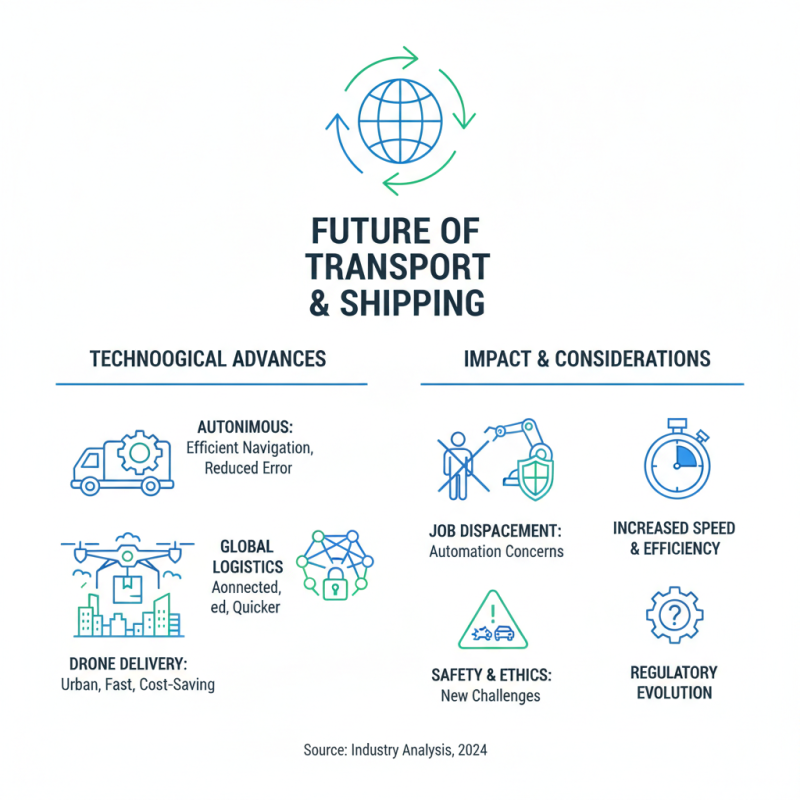
The landscape of transportation and shipping is transforming rapidly. Technological innovations are redefining how goods move across the globe. Autonomous vehicles can navigate efficiently, reducing human error. Drones now deliver packages in urban areas, saving time and costs. These advances promise speed but also raise concerns about job displacement and safety.
Blockchain technology is improving transparency in logistics. It creates secure records of transactions, simplifying tracking and reducing fraud. Yet, its adoption can be slow. Many organizations struggle with the technical complexities involved. Furthermore, integrating these technologies into existing systems poses significant challenges.
Electric vehicles are becoming popular, reducing carbon footprints. However, the infrastructure for charging and maintenance is still lacking in many regions. As logistics adapts, the industry must address these shortcomings. Embracing innovation while considering the broader implications is vital for sustainable growth. Balancing efficiency and responsibility remains a pressing concern.
Challenges and Solutions in Transportation Logistics Today
Transportation and shipping play vital roles in modern logistics. However, the industry faces significant challenges today. One major issue is the increasing demand for faster delivery. Customers expect packages to arrive within hours or days. This pressure leads to logistical complexity. Companies struggle to meet deadlines while maintaining quality.
Another challenge is managing costs. Fuel prices fluctuate, impacting transportation expenses. Labor shortages further strain resources. Many companies find it difficult to hire and retain skilled drivers. These issues can slow down operations and increase costs. Yet, some solutions are emerging. Investing in technology can streamline processes. Automation helps reduce human error. Route optimization software saves both time and fuel.
Additionally, collaboration is key. Partnerships between companies can enhance resource sharing. This approach allows for more efficient use of vehicles and storage. However, not every partnership works. Trust issues can arise. Businesses need to evaluate these relationships carefully. Finding the right balance between speed, cost, and reliability remains a constant challenge in transportation logistics today.
What is Transportation and Shipping in Modern Logistics? - Challenges and Solutions in Transportation Logistics Today
| Dimension |
Current Data |
| Global Freight Volume (in Billion tons) |
11.5 |
| Average Shipping Time (Days) |
7.4 |
| Reported Supply Chain Disruptions (%) |
68 |
| Percentage of Goods Shipped by Sea (%) |
90 |
| Average Delivery Costs (USD per ton) |
150 |
| Top Challenge in Transportation Logistics |
Rising Fuel Costs |
| Emerging Solution for Logistics |
Automation and AI Integration |