What is Transportation and Shipping and How Does It Impact Business?
Transportation and shipping are critical components of global trade. They facilitate the movement of goods across borders and regions. According to Jane Smith, a logistics expert, "Effective transportation and shipping can make or break a business." This highlights the fundamental role these services play in commerce.
The efficiency of transportation and shipping can directly affect costs and delivery times. A reliable shipping partner can enhance customer satisfaction. Yet, companies often overlook the complexities involved. Balancing speed and cost is a common challenge.
Moreover, unexpected disruptions can lead to significant delays. Businesses must remain agile to adapt to these changes. The importance of investing in robust transportation and shipping solutions cannot be overstated. Ultimately, how well a company navigates these logistics can determine its overall success.
Definition of Transportation and Shipping in Business Context
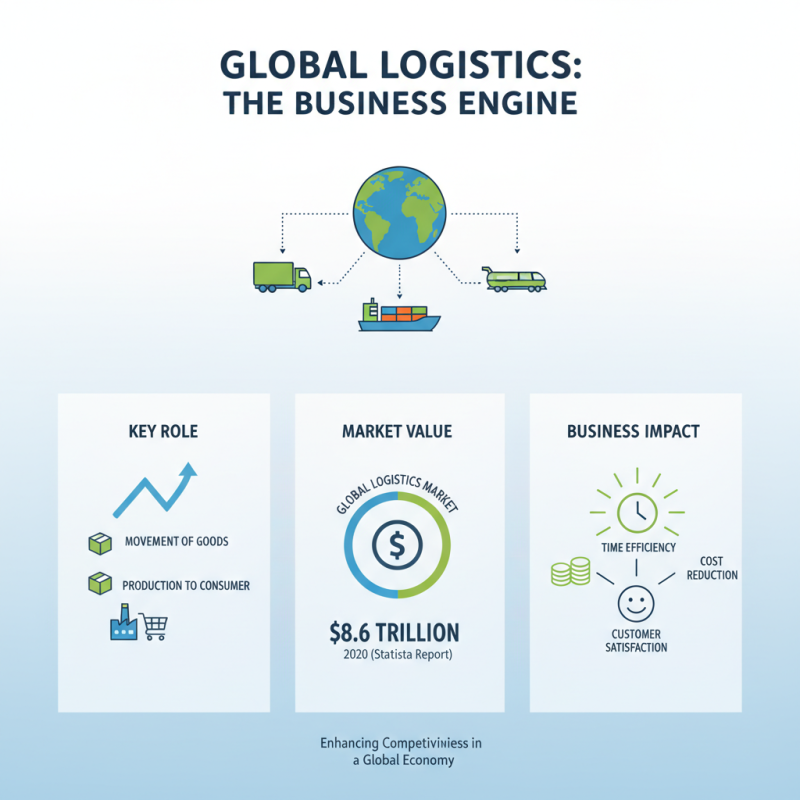
Transportation and shipping play crucial roles in the business landscape. They encompass the movement of goods from production sites to consumers. In a global economy, effective logistics can significantly enhance competitiveness. According to a report by Statista, the global logistics market was valued at approximately $8.6 trillion in 2020, underscoring its importance. Companies need to understand the implications of transportation choices on costs, time, and customer satisfaction.
Understanding transportation's definition in a business context involves recognizing its various forms. These can include road, rail, air, and maritime transport. Each mode has its benefits and limitations. For instance, air transport is fast but expensive, while maritime shipping is cost-effective but slower. Companies must strategically select the most suitable transport method for their products.
**Tips:** Always consider distance and delivery speed when choosing a transport mode. Additionally, investing in technology for tracking shipments can improve efficiency. Regularly reviewing logistics performance is vital for identifying potential improvements. Businesses may find areas where they can trim costs and improve service. Evaluating transport choices is an ongoing process, requiring constant reflection and adaptation.
Key Types of Transportation Methods and Their Functions
Transportation plays a pivotal role in global trade. It connects manufacturers, suppliers, and customers. Several methods are commonly used in the industry, each with unique functions and advantages.
Road transportation is highly flexible. It enables door-to-door service. According to the International Transport Forum, it accounts for over 70% of freight transport in many countries. However, it faces challenges, such as traffic congestion and greenhouse gas emissions. The reliance on trucks can lead to increased cost and environmental concerns.
Rail transport offers an eco-friendly alternative. Trains can carry large volumes of goods over long distances. They emit significantly less CO2 compared to trucks. A report by the American Association of Railroads states that rail transport is, on average, three times more fuel-efficient than road transport. Despite this, rail systems often suffer from limited reach, which can restrict delivery options.
Shipping methods also play a crucial role, especially for international trade. Maritime transport remains the backbone of global shipping. The World Trade Organization reveals that about 90% of world trade is carried by sea. Yet, delays at ports can disrupt supply chains. Companies must adapt to these challenges to maintain efficiency and customer satisfaction.
Impact of Transportation Efficiency on Supply Chain Management
Transportation efficiency plays a crucial role in supply chain management. When businesses streamline their transportation processes, they can reduce costs. This ultimately leads to faster delivery times. Efficient transportation ensures that products reach customers quickly. This is vital in today’s fast-paced market.
Tips: Always monitor delivery routes. Small changes can reduce shipping time significantly. Consider using technology to track shipments in real-time.
However, inefficiencies can arise. Delays in transportation can disrupt the entire supply chain. These disruptions can result in lost sales opportunities. Businesses often underestimate the importance of reliable transportation networks.
Tips: Regularly assess carrier performance. Poor performance can lead to unexpected delays. Keep communication open with suppliers and carriers to stay informed.
By focusing on transportation efficiency, companies can strengthen their supply chain. Yet, many businesses still grapple with logistics challenges. Addressing these issues is crucial for business success.
Impact of Transportation Efficiency on Supply Chain Management
The chart below represents the efficiency of transportation in relation to different aspects of supply chain management, including cost reduction, delivery speed, and customer satisfaction.
Shipping Costs and Their Influence on Business Profitability
Shipping costs play a crucial role in the profitability of businesses. They affect pricing strategies, customer satisfaction, and overall operational efficiency. High shipping costs can lead to increased product prices. This can deter potential customers. Alternatively, if a business offers free shipping, they may absorb those costs, impacting their profit margins.
Tips:
- Analyze your shipping options. Research carriers regularly to find the best rates.
- Consider consolidating shipments. Fewer, larger shipments can reduce costs.
- Evaluate your packaging. Lightweight yet protective packaging can lower shipping rates.
Balancing shipping costs is challenging. Businesses often struggle to maintain competitive pricing while ensuring profitability. It’s easy to overlook how shipping expenses chip away at earnings. A shipment that seems affordable may lead to higher expenses than expected, especially during peak seasons. Many companies fail to provide transparency regarding these costs, which can lead to customer dissatisfaction.
Finding the right balance is essential. Explore different shipping methods and negotiate rates with carriers. However, beware of hidden fees, as they can erode profit margins. Always assess the impact of shipping on customer experience.
Clear communication about shipping policies can enhance customer trust.
Future Trends in Transportation and Shipping for Businesses
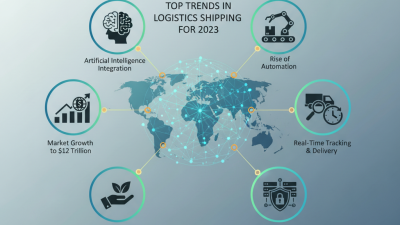
Future trends in transportation and shipping are reshaping how businesses operate. According to a recent report by McKinsey, the global logistics market is expected to grow to $15 trillion by 2027. This growth reflects increasing demand for faster and more reliable shipping. Many companies are investing in automated logistics solutions. Drones and autonomous vehicles are becoming industry standards. However, implementing these technologies can be costly and complex.
Sustainability is another major trend. The pressure to reduce carbon emissions is rising. Research from the International Maritime Organization indicates that shipping accounts for about 2.89% of global CO2 emissions. This has led businesses to explore green shipping methods. Using alternative fuels and optimizing routes helps reduce environmental impact. However, the transition can be challenging due to limited infrastructure and high initial costs.
The digitalization of supply chains offers new opportunities. Real-time tracking and AI-driven analytics enhance efficiency. According to Gartner, 50% of global supply chains will incorporate advanced analytics by 2025. But, many firms lag behind in adopting these technologies. The risk of cyber threats also looms large, forcing businesses to reconsider security measures. Adapting to these changes requires careful planning and investment.