Top Tracking and Shipping Tips for 139th Canton Fair 2026?
As the 139th Canton Fair approaches in April 2026, many businesses are excited about the opportunities it offers. This event spans three sessions, focusing on advanced manufacturing, quality home goods, and textiles. Effective tracking and shipping are crucial for success at this fair. The introduction of AI features enhances navigation and supplier matching, streamlining the process.
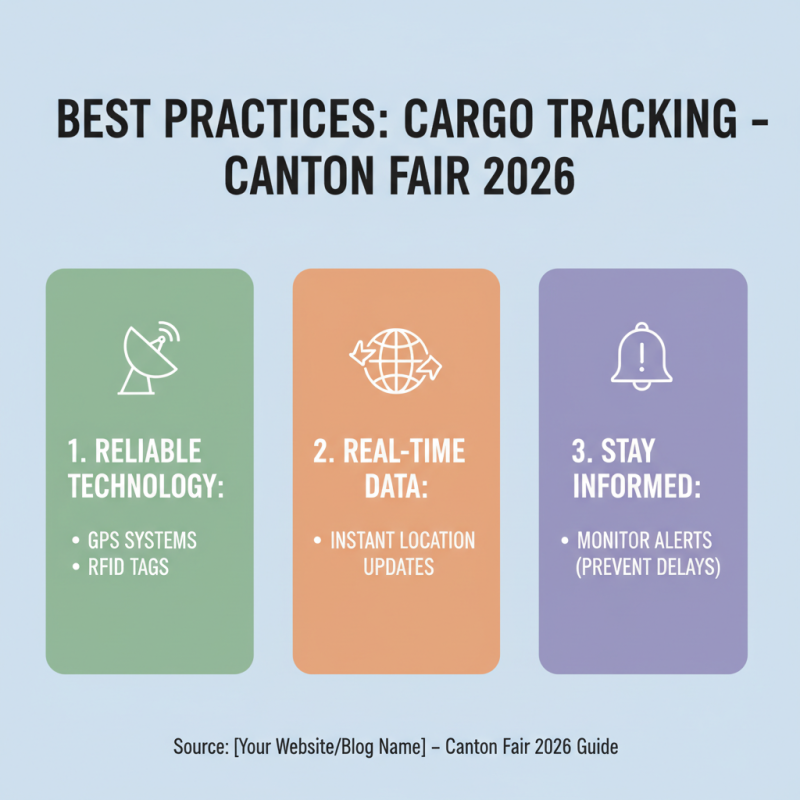
Attendees need to plan their logistics carefully. Tracking shipments accurately will help manage timelines effectively. Utilizing AI tools, buyers can identify suppliers with necessary certifications quickly. However, relying on technology without backup plans could lead to challenges.
Despite the advantages, some may overlook critical details in tracking and shipping. It’s essential to confirm shipments in advance. Waiting until the last minute can cause delays. By focusing on these aspects, fair participants can optimize their experiences and outcomes.

Top Trends in Logistics Technology for the 139th Canton Fair 2026
As we approach the 139th Canton Fair in 2026, logistics technology is evolving rapidly. Embracing automation will be crucial. Automated warehouses can speed up operations and reduce human error. They enable seamless tracking of goods from origin to destination.
However, some companies struggle to implement this change efficiently.
Artificial intelligence (AI) is also transforming the logistics landscape. AI-driven analytics can optimize shipping routes and predict delays. This can enhance decision-making but requires proper training to use effectively. Not all teams may be prepared for this technological shift.
Blockchain technology is gaining traction for transparency in supply chains. It provides a secure way to track shipments, ensuring authenticity. Yet, understanding how to navigate this complex system can be challenging for many. While the potential benefits are significant, the transition may bring about confusion and uncertainty.
Understanding Global Shipping Regulations Impacting Canton Fair 2026
As the 139th Canton Fair approaches in 2026, understanding global shipping regulations is crucial. According to a recent industry report, about 70% of businesses experience delays due to compliance issues. These challenges can arise from misinterpreted packaging requirements or incorrect documentation.
One must consider the recent changes in customs regulations. For instance, the World Trade Organization (WTO) published data indicating that countries are tightening import criteria. This means businesses need to be more vigilant. Ensure your products comply with all relevant standards specific to each destination.
Not all logistics providers are aware of these updates. Therefore, organizations must invest in training for their teams. An estimated 40% of companies failed to adapt to new laws last year, leading to financial losses. Clear communication with partners is vital.
Prepare well in advance to avoid shipping bottlenecks during the fair. These proactive steps will enhance your participation and overall experience.
Data-Driven Insights for Optimizing Shipping Routes at Canton Fair 2026
The Canton Fair in 2026 presents unique shipping challenges and opportunities. Optimizing shipping routes can save time and reduce costs. Data-driven insights can help identify the most efficient paths for transporting goods. By analyzing the flow of traffic and potential delays, businesses can make informed decisions.
Utilizing advanced analytics is crucial. Real-time data on weather, traffic conditions, and port operations makes a difference. Shippers need to consider alternatives to traditional routes. Sometimes, a longer route might be faster. Don't overlook local regulations and port schedules that can impact delivery times.
It's important to observe patterns from past fairs. Noticing how certain routes perform can provide valuable clues. Some routes may seem preferable but can be misleading. Failing to adapt to changing situations could lead to delays. Monitoring KPIs throughout the shipping process can highlight inefficiencies. Reflection and adjustment are key to success at the Canton Fair.
Top Tracking and Shipping Tips for 139th Canton Fair 2026
| Shipping Method |
Average Delivery Time |
Cost (USD) |
Best Use Case |
| Air Freight |
3-5 Days |
$500 - $1500 |
Urgent Shipments |
| Sea Freight |
20-30 Days |
$100 - $800 |
Bulk Shipments |
| Rail Freight |
10-15 Days |
$300 - $700 |
Large Volume Cargo |
| Courier Services |
1-3 Days |
$20 - $100 |
Small Packages |
Environmental Considerations in Shipping Solutions for Canton Fair 2026
As the 139th Canton Fair approaches in 2026, environmental awareness in shipping solutions is crucial. The shipping industry contributes about 2.5% of global greenhouse gas emissions. This figure is significant, prompting many companies to seek greener alternatives. Reducing emissions in shipping can be achieved through various strategies, including optimizing transport routes and utilizing energy-efficient vessels.
Consider adopting multimodal transport solutions. This approach combines different transportation methods, minimizing environmental impact. Reports indicate that rail and water transport emit substantially less CO2 than road transport. For instance, rail freight can reduce emissions by up to 75% compared to trucking. However, transitioning to these options requires careful planning and investment. Not all routes support sustainable choices.
The need for packaging innovation is also pressing. Using biodegradable materials can help reduce waste. Studies show that around 30% of packaging is thrown away after one use. This statistic highlights the urgent need for change. However, implementing these solutions isn't always straightforward. Companies often face higher costs or limited access to sustainable materials. Addressing these challenges is essential for a greener shipping future at the Canton Fair.