2025 How to Effectively Track Your Truck Carrier Shipment in Real Time
In today's fast-paced logistics environment, the need for efficient and transparent shipping solutions has never been more critical. As businesses increasingly rely on truck carriers for transportation, the ability to conduct real-time monitoring of shipments is paramount. Implementing effective truck carrier tracking systems not only enhances operational efficiency but also ensures that businesses can respond swiftly to any disruptions that may arise during transit.
In this article, we will explore the innovative strategies and technologies available for tracking truck carrier shipments. We will delve into the benefits of real-time visibility, highlighting how it fosters improved communication between stakeholders and bolsters customer satisfaction through enhanced service delivery. Additionally, we will discuss the tools and platforms that can empower businesses to effectively manage their logistics, driving greater accountability and trust in the supply chain. Embracing these advancements is crucial for companies aiming to maintain a competitive edge in the ever-evolving transportation landscape.

Understanding Real-Time Shipment Tracking Technology
Real-time shipment tracking technology has revolutionized the logistics and transportation industries, allowing shippers and carriers to gain unprecedented visibility into their shipments. According to a report by Grand View Research, the global market for logistics tracking systems was valued at approximately $15 billion in 2021, and it is projected to grow at a compound annual growth rate (CAGR) of 24% from 2022 to 2030. This growth is fueled by increasing consumer demand for transparency and the need for businesses to optimize their supply chains.
At the core of real-time tracking are technologies such as GPS, RFID, and IoT devices. GPS tracking enables accurate location tracking of vehicles, providing data that informs stakeholders of shipment status at any given moment. RFID technology streamlines the inventory management process, reducing human error and improving efficiency. IoT devices further enhance tracking capabilities by providing real-time data on temperature, humidity, and other environmental factors, ensuring that sensitive goods are transported under optimal conditions. A study from the Council of Supply Chain Management Professionals (CSCMP) highlights that companies implementing real-time tracking solutions can reduce operational costs by up to 10%, showcasing the financial benefits of embracing this innovative technology.
Additionally, real-time shipment tracking helps mitigate risks associated with shipment delays and losses. According to a study by McKinsey & Company, approximately 75% of companies reported that using advanced tracking technologies significantly reduced the incidents of lost or misdirected shipments. This advancement not only enhances customer satisfaction but also fosters a more resilient supply chain in an increasingly complex global market. As the logistics industry continues to evolve, understanding and utilizing real-time shipment tracking technologies remains crucial for effective supply chain management.
2025 How to Effectively Track Your Truck Carrier Shipment in Real Time
| Tracking ID |
Carrier Name |
Current Location |
Destination |
Estimated Delivery |
Status |
| TRK123456 |
Carrier A |
Los Angeles, CA |
New York, NY |
2025-08-10 |
In Transit |
| TRK789012 |
Carrier B |
Chicago, IL |
Houston, TX |
2025-08-12 |
Delayed |
| TRK345678 |
Carrier C |
Miami, FL |
Seattle, WA |
2025-08-15 |
On Schedule |
Benefits of Real-Time Tracking for Truck Carriers
Real-time tracking of truck carrier shipments offers significant advantages that enhance operational efficiency and customer satisfaction. One of the most notable benefits is the increased visibility it provides throughout the shipping process. Carriers can monitor the exact location and status of their trucks at any given moment, allowing for proactive decision-making. This level of transparency helps in anticipating potential delays, enabling carriers to adjust routes or schedules to mitigate disruptions effectively.
Moreover, real-time tracking fosters improved communication between carriers and their clients. As customers are kept informed about the status of their shipments, it builds trust and strengthens relationships. Clients can receive accurate arrival estimates, facilitating better planning on their end. Additionally, this immediate information can lead to quicker responses to any issues that may arise during transit. Overall, the implementation of real-time tracking not only streamlines operations but also enhances customer experience, positioning carriers for long-term success in a competitive market.
Real-Time Tracking Benefits for Truck Carriers in 2025
Tools and Solutions for Effective Shipment Monitoring
Effective shipment monitoring is crucial for optimizing supply chain operations, especially for truck carriers. With the increasing demand for real-time visibility, various tools and solutions are becoming essential. According to a report by Gartner, 70% of organizations plan to implement real-time supply chain visibility solutions by 2025. These tools not only enhance tracking capabilities but also allow businesses to respond swiftly to any unforeseen disruptions, thereby reducing delivery delays.
Technological advancements, such as IoT devices and GPS tracking, play a significant role in effective shipment monitoring. A study published by McKinsey highlights that companies leveraging these technologies can achieve up to a 15% reduction in logistics costs by improving routing and inventory management. Furthermore, platforms that integrate analytics and machine learning enable carriers to predict shipment delays and optimize routes based on traffic conditions and other variables. As companies continue to seek competitive advantages, investing in advanced monitoring solutions will become imperative for ensuring timely and efficient deliveries.
Implementing Real-Time Tracking Systems: Best Practices
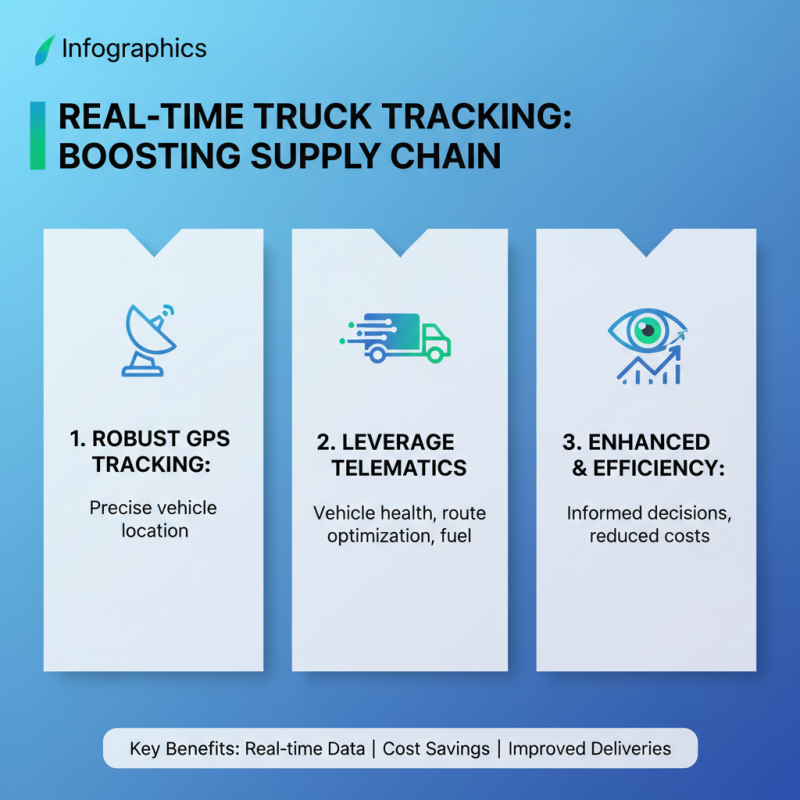
Implementing a real-time tracking system for truck carrier shipments is essential for enhancing supply chain visibility and operational efficiency. To start, organizations should invest in robust GPS tracking technology, which allows for the precise location of vehicles at any given moment. Additionally, leveraging telematics can provide not only location data but also critical information regarding vehicle health, route optimization, and fuel consumption, leading to informed decision-making and reduced operational costs.
Furthermore, it is imperative to integrate these tracking systems with existing logistics software. This ensures a seamless flow of information, enabling stakeholders to receive real-time updates on shipment progress. Establishing standardized communication protocols is also key; it fosters collaboration between shippers, carriers, and customers. Regular training sessions for staff on utilizing these systems effectively will enhance overall efficiency and accountability in the tracking process. By adhering to these best practices, companies can significantly improve their shipment visibility, resulting in better customer satisfaction and reduced delays.
Future Trends in Truck Carrier Shipment Tracking Technology
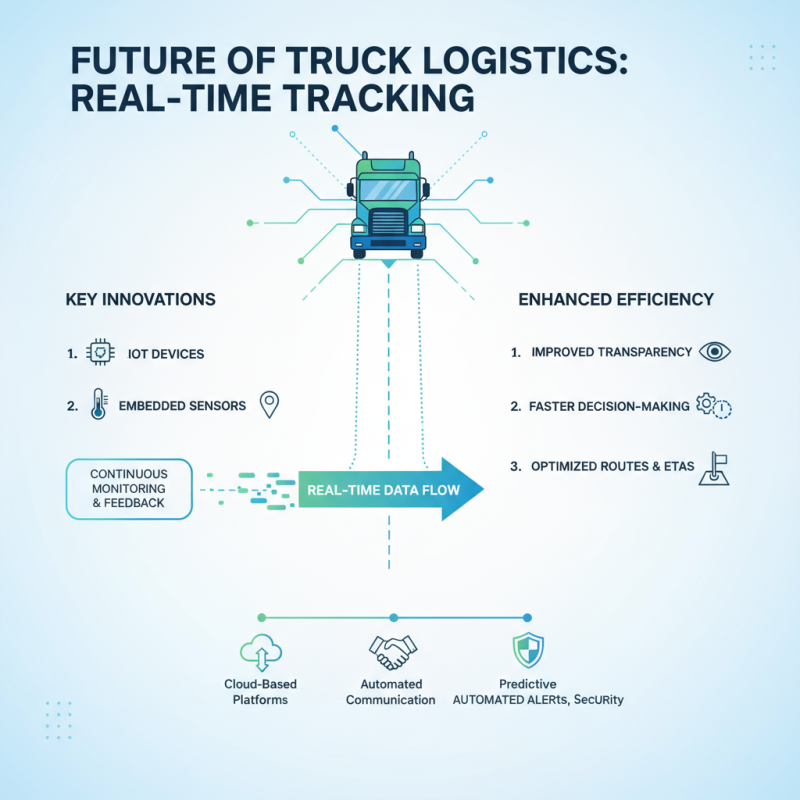
Advancements in technology are revolutionizing how we track truck carrier shipments in real time, paving the way for future trends that will enhance logistics efficiency. One significant trend is the rise of Internet of Things (IoT) devices embedded in trucks and packages. These devices provide continuous monitoring and feedback, allowing stakeholders to receive updates about shipment conditions, locations, and estimated arrival times at any moment. This data not only improves transparency but also facilitates quicker decision-making.
To make the most of these advancements, it's essential to leverage predictive analytics tools. These tools can analyze historical data and real-time signals to forecast potential delays or disruptions in the shipping process. By integrating this technology into existing operations, businesses can proactively manage their supply chains, resulting in reduced costs and improved customer satisfaction.
**Tips:** Invest in training your logistics team on the latest tracking technologies to maximize their usage. Regularly review data analytics to identify trends that can improve future shipment processes. Lastly, establish clear communication channels with carriers to ensure everyone is on the same page regarding shipment status updates.