How to Track Your Canadian Freight Shipment Efficiently and Accurately
In the realm of logistics, efficient management of freight shipments is crucial for businesses operating in Canada. According to a recent report by the Canadian Transportation Association, nearly 70% of Canadian goods are transported by truck, underscoring the need for effective canadian freight tracking systems to enhance supply chain visibility. As businesses increasingly demand real-time updates and tracking capabilities, the logistics industry is experiencing a notable shift toward advanced technological solutions that streamline shipment monitoring and enhance customer satisfaction.
Furthermore, the ability to track freight accurately not only contributes to timely deliveries but also reduces costs associated with delays and miscommunication. A study by FreightWaves revealed that companies utilizing robust tracking systems can save up to 20% on operating costs, highlighting the financial benefits of implementing efficient tracking methods. This necessity for precise and reliable shipping tracking tools is more pressing than ever, as Canadian businesses strive to maintain a competitive edge in a rapidly evolving marketplace. Thus, understanding how to effectively monitor and manage shipments can be a game-changer for stakeholders in the Canadian freight industry.

Understanding the Basics of Canadian Freight Shipment Tracking
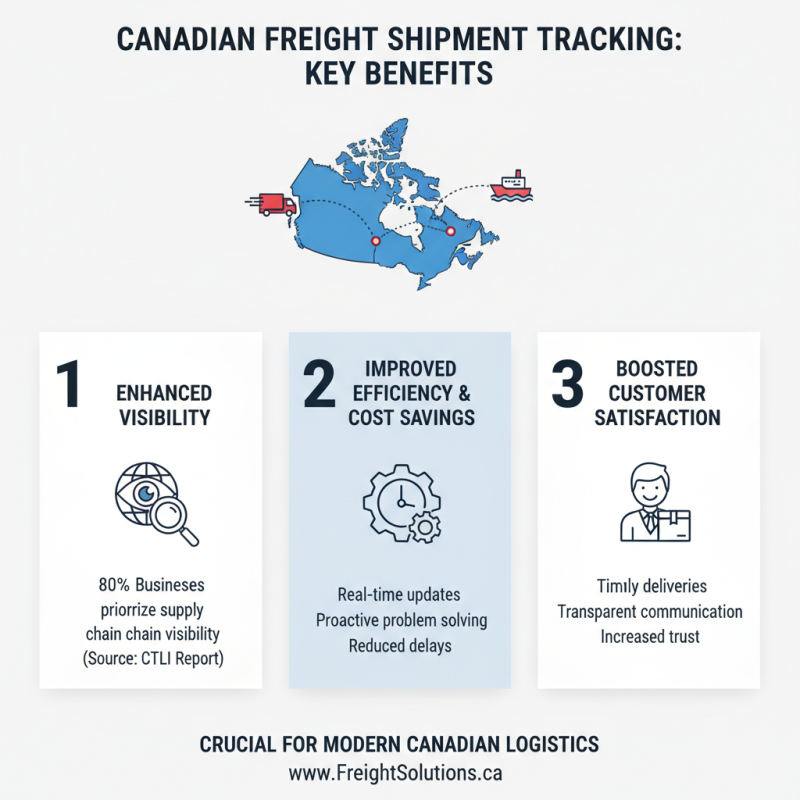
Tracking freight shipments in Canada is crucial for ensuring efficient and timely delivery. Understanding the fundamentals of Canadian freight shipment tracking not only helps businesses manage their logistics better but also enhances customer satisfaction. According to a report by the Canadian Transportation and Logistics Institute, over 80% of businesses highlighted visibility in their supply chain as a priority, demonstrating the need for robust tracking systems.
Modern technologies, such as GPS and IoT devices, have revolutionized the way shipments are monitored. These tools provide real-time data and analytics that enable shippers to track their goods at every stage of the transportation process. A study from FreightWaves indicated that companies implementing advanced tracking solutions see a reduction in delays by up to 25%. This significant improvement underscores the importance of adopting these technologies to maintain a competitive edge in the logistics sector.
In Canada, regulatory standards also play a vital role in freight tracking. The Transportation Safety Board of Canada emphasizes the need for compliance with safety regulations, which directly impacts the efficiency of tracking systems. Accurate tracking data helps ensure that all shipments adhere to these regulations, ultimately leading to safer and more reliable transportation. By prioritizing tracking and understanding its foundation, businesses can optimize their freight operations while meeting legal requirements.
Choosing the Right Tracking Technology for Freight Shipments
Choosing the right tracking technology for freight shipments is crucial for ensuring efficiency and accuracy throughout the shipping process. One of the first considerations is the type of tracking system that best aligns with your operational needs.
GPS tracking, for instance, allows for real-time location tracking, providing up-to-the-minute updates on your shipment's status. This technology enables shippers to monitor their freight's journey from origin to destination, ensuring that any potential delays are quickly identified and addressed.
Another important factor is the integration capabilities of the tracking technology. Opting for systems that easily integrate with existing logistics management platforms can streamline communication and data flow. This ensures that relevant stakeholders have access to consistent and accurate information, facilitating better decision-making and enhancing overall customer satisfaction.
Additionally, considering user-friendly interfaces and mobile accessibility can greatly improve the efficiency of tracking shipments, allowing both shippers and customers to stay informed with minimal hassle. By carefully selecting the right tracking technology, businesses can enhance visibility, optimize supply chain operations, and ultimately improve their service delivery.
Steps to Efficiently Monitor Your Shipment Progress
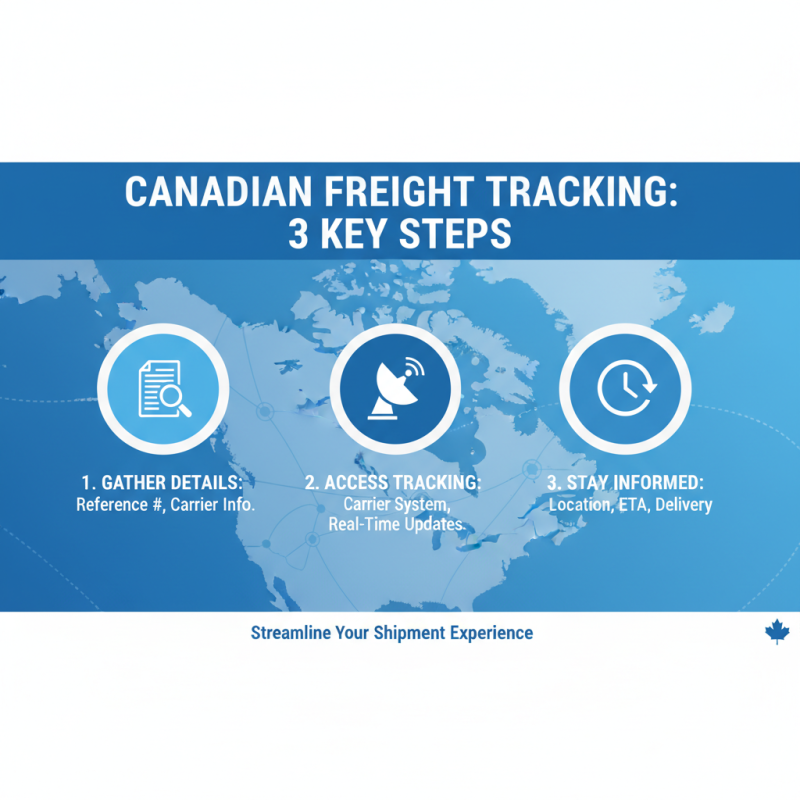
Tracking your Canadian freight shipment efficiently and accurately involves several key steps that can streamline the process and enhance your experience. First, ensure that you have all necessary shipping details at hand, including the shipment reference number and any tracking information provided by the carrier. This information can typically be found in the confirmation emails or documentation received during the shipment booking process. With these details, you can access the carrier's tracking system to monitor your shipment in real time, allowing you to stay updated on its location and estimated delivery time.
Next, consider setting up alerts or notifications through the carrier’s tracking platform. Many services offer the option to receive updates via email or SMS, which can keep you informed about any changes to your shipment status without the need to constantly check the system. Being proactive about communication is also vital; don't hesitate to reach out to customer service for clarification or assistance if discrepancies arise. By actively managing your tracking efforts and utilizing available tools, you can ensure a smoother shipping experience while minimizing uncertainty regarding your cargo's journey across Canada.
Common Challenges in Freight Shipment Tracking and Solutions
Tracking freight shipments in Canada can often present a variety of challenges that can hinder efficiency and accuracy. One common issue is the lack of real-time updates that leaves shippers in the dark about their cargo's whereabouts. Delays in information dissemination can occur due to technical glitches or system incompatibilities between different logistics providers. To mitigate this issue, integrating comprehensive tracking technology that provides consistent and timely updates can significantly enhance visibility. This can involve using tools that offer GPS tracking and automated alerts to keep all stakeholders informed.
Another significant challenge is the coordination between multiple carriers and stakeholders involved in the supply chain. Each party may have its own tracking system, resulting in fragmented information. To address this, businesses should consider adopting centralized tracking platforms that aggregate data from various sources into a single interface. This not only streamlines communication but also fosters collaboration between carriers and shippers, making it easier to resolve discrepancies and ensure that shipments reach their destinations on time. By tackling these challenges with the right tools and processes, companies can improve their freight tracking operations and achieve greater reliability in their logistics efforts.
Best Practices for Maintaining Accurate Shipment Records
Maintaining accurate shipment records is crucial for businesses managing Canadian freight. According to the Freight Management Association, nearly 80% of freight-related disputes stem from inaccuracies in shipment documentation. To mitigate these risks, companies should adopt a robust record-keeping system that digitizes and centralizes shipment data. This can include automated tracking software that updates information in real-time, enabling stakeholders to monitor shipments efficiently and make quicker decisions.
Additionally, implementing standardized operating procedures across teams can enhance accuracy. A study by Logistics Management indicates that organizations with defined processes for record-keeping reported a 40% decrease in operational errors. Regular training sessions for employees on these protocols can further ensure that everyone involved understands the importance of meticulous record maintenance. Ultimately, leveraging technology and streamlining processes not only improves the accuracy of shipment records but also fosters better collaboration among partners, enhancing overall supply chain efficiency.