Top Trends in Logistics Shipping for 2023 You Need to Know
In 2023, the logistics shipping industry is poised for transformative changes, driven by technological advancements and evolving consumer expectations. According to the Logistics Management’s 2023 Annual Report, the global logistics market is expected to reach $12 trillion by the end of this year, reflecting a robust growth trajectory fostered by increased demand for e-commerce and real-time delivery solutions. As businesses adapt to these shifts, understanding the key trends in logistics shipping becomes essential for achieving operational efficiency and competitive advantage.
Expert insights further underline the significance of these developments. Dr. Sarah Thompson, a renowned logistics analyst, notes, "The integration of artificial intelligence in logistics shipping is not just a trend; it’s a necessity for optimizing supply chains and meeting customer demands." This sentiment resonates across the industry as stakeholders prioritize adopting innovative technologies to enhance tracking, reduce cargo delays, and streamline processes.
As we delve into the major trends shaping logistics shipping this year, it becomes clear that adaptability and foresight will define the success of companies navigating this complex landscape. From sustainability initiatives to the rise of automation, staying informed and agile is crucial for capitalizing on the opportunities ahead.

Emergence of Automation and Robotics in Logistics Operations
The logistics industry is undergoing a significant transformation in 2023, largely driven by the emergence of automation and robotics in operations. As businesses strive for efficiency and accuracy, automated systems are being increasingly integrated into supply chain processes.
 From autonomous vehicles to advanced robotic arms in warehouses, these technologies are reshaping how goods are stored, sorted, and delivered. The shift not only enhances productivity but also reduces human error, enabling faster response times to customer demands.
The adoption of robotics in logistics is not just about machines replacing human workers; it fosters a collaborative environment where humans and robots work side by side. Employees can focus on more complex tasks while robots handle repetitive and physically demanding jobs.
 This synergy allows companies to optimize their workforce and ensure that operations run smoothly, even during peak demand periods. Furthermore, the data generated by these automated systems provides invaluable insights into operational efficiencies, helping businesses make informed decisions and continuously improve their logistics strategies.
Growth of E-commerce and Its Impact on Shipping Strategies
The growth of e-commerce has dramatically transformed traditional shipping strategies in recent years. As online shopping becomes increasingly common, logistics providers are adapting to meet the rising consumer expectations for faster and more reliable delivery services. This shift demands a re-evaluation of supply chain operations to ensure timely fulfillment and efficient inventory management. Companies are investing in advanced technologies, such as automation and artificial intelligence, to streamline their processes and enhance visibility throughout the logistics network.
Furthermore, the surge in e-commerce has led to increased pressure on last-mile delivery solutions. With consumers seeking more flexible delivery options, such as same-day or next-day shipping, logistics firms are reconfiguring their distribution strategies to accommodate varying customer needs. This includes exploring alternative delivery methods, such as local drop-off points and partnerships with third-party couriers, to optimize delivery speed and reduce costs. As e-commerce continues to flourish, businesses must remain agile and innovative in their shipping strategies to stay competitive in a rapidly evolving landscape.
Top Trends in Logistics Shipping for 2023 You Need to Know
| Trend |
Description |
Impact on Shipping |
Expected Growth (%) |
| Increase in E-commerce |
The growth of online shopping continues to surge, influencing shipping frequencies and methods. |
Increased demand for last-mile delivery services and faster shipping options. |
20% |
| Sustainability Initiatives |
Logistics companies are shifting towards greener practices and reducing carbon footprints. |
Need for eco-friendly shipping methods and materials. |
15% |
| Automation and Technology |
Adoption of AI, robotics, and blockchain technology in logistics processes. |
Improved efficiency, reduced human error, and lower operational costs. |
30% |
| Omnichannel Fulfillment |
Integration of various sales channels to streamline delivery processes. |
Enhanced customer experience and more adaptive logistics operations. |
25% |
| Real-Time Tracking |
Increased consumer demand for transparency in shipping progress. |
Greater reliance on GPS and tracking technologies to enhance service. |
18% |
Sustainability Trends: Green Logistics and Eco-Friendly Practices
As environmental concerns continue to rise, the logistics and shipping industry is adopting sustainability trends that reflect a commitment to eco-friendly practices. Companies are increasingly focusing on reducing carbon footprints by implementing green logistics strategies. This involves optimizing routes to minimize emissions, investing in energy-efficient vehicles, and utilizing alternative fuels. Such measures not only contribute to a healthier planet but also enhance operational efficiency and cost-effectiveness.
Another significant aspect of eco-friendly logistics is the emphasis on sustainable packaging. Businesses are shifting towards biodegradable and recyclable packaging materials, ensuring that their supply chains minimize waste. Innovations such as reusable containers and smart packaging solutions are becoming standard, reducing the environmental impact of shipping operations. Additionally, companies are exploring partnerships with organizations that prioritize sustainability, further reinforcing their commitment to green practices throughout the logistics ecosystem. These trends not only underscore corporate responsibility but also align with the growing consumer demand for environmentally conscious products and services.
Adoption of Advanced Analytics and Data-Driven Decision Making in Shipping
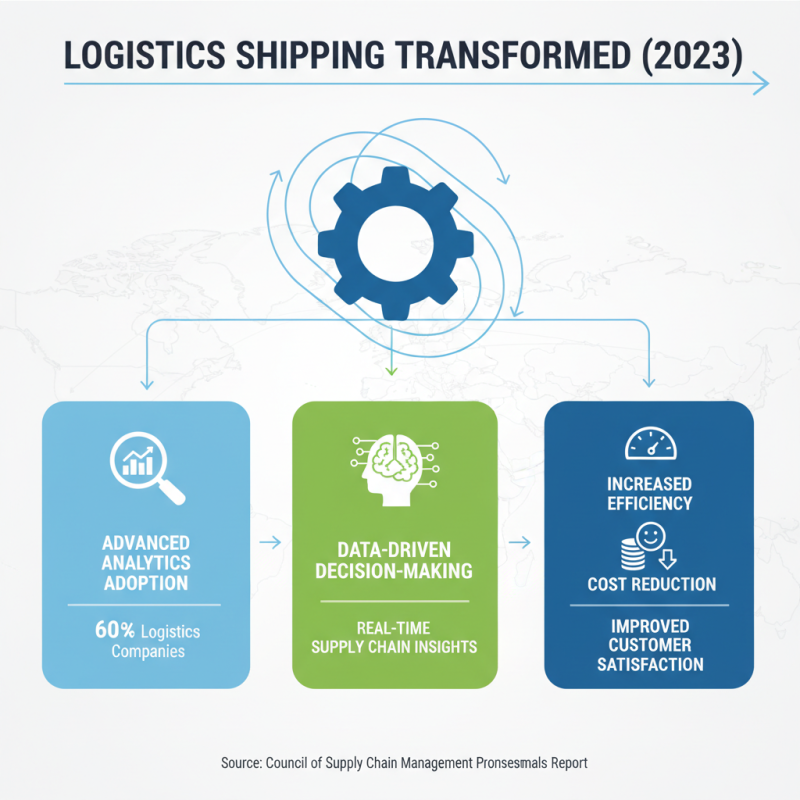
The logistics shipping industry is undergoing a transformative phase in 2023, primarily driven by the adoption of advanced analytics and data-driven decision-making practices. According to a recent report from the Council of Supply Chain Management Professionals, over 60% of logistics companies are now leveraging advanced analytics to optimize their operations. This shift is enabling organizations to enhance efficiency, reduce costs, and improve customer satisfaction through real-time insights into supply chain processes.
Data-driven decision-making is not just a trend but a necessity in today’s hyper-competitive market. The Deloitte Insights report indicates that businesses using data analytics in their logistics operations are achieving a 20% improvement in operational efficiency. By utilizing predictive analytics, shipping companies can anticipate demand fluctuations, optimize inventory levels, and ensure timely deliveries. Moreover, the integration of artificial intelligence with advanced analytics is providing unprecedented visibility into shipping routes, allowing companies to mitigate risks and adapt swiftly to unexpected challenges.
As we delve deeper into 2023, the role of analytics in logistics will only expand. The Logistics Management Journal highlights that investment in data technologies will likely increase by 30% as firms seek to harness machine learning and big data capabilities. By capitalizing on these advancements, the logistics sector is setting a new benchmark for operational excellence, firmly establishing analytics as a cornerstone of strategic decision-making.
Challenges and Solutions in Last-Mile Delivery for 2023
Last-mile delivery remains one of the most significant challenges in logistics for 2023, as consumer expectations soar for speedy and reliable service. Urban congestion and rising costs put pressure on logistics providers to adapt their strategies for efficiency. Innovations such as bike couriers and drone deliveries are emerging as potential solutions to navigate crowded streets and reduce delivery times. Additionally, leveraging local micro-fulfillment centers can allow businesses to store products closer to end customers, enabling quicker turnaround.
Another challenge faced in last-mile delivery is maintaining transparency and communication with customers. In 2023, technology adoption is critical for providing real-time tracking updates and ensuring customers are aware of their delivery status. Implementing advanced tracking software and mobile apps can enhance the user experience significantly. Moreover, partnerships with local delivery services can lead to more flexible options, accommodating varying customer needs while optimizing routes to ensure timely deliveries.
Top Trends in Last-Mile Delivery for 2023