
Top 10 Logistics Shipping Tracking Tools for Global Buyers

For global buyers, delivery visibility is no longer a convenient extra. It shapes purchasing confidence, inventory planning, and supplier evaluation. UNCTAD’s Review of Maritime Transport 2024 confirms that ships carry over 80% of world trade by volume. That scale creates complicated handoffs between exporters, carriers, ports, customs teams, and local couriers. A single container may show several quiet days before its next scan appears.

Parcel networks are equally demanding. The Pitney Bowes Parcel Shipping Index reported about 161 billion parcels shipped worldwide in 2022. That volume makes manual checking slow and unreliable. Buyers need logistics shipping tracking tools that combine carrier updates, estimated arrival times, milestone alerts, and exception warnings in one place. A useful dashboard should make a delayed port call visible before a warehouse team runs out of stock.

But tracking is not magic. Data can arrive late.

In practice, the strongest tools do more than display a tracking number. They identify missing scans, compare promised and actual delivery dates, and support multiple carriers across air, ocean, rail, and parcel routes. They also explain confusing events, such as “customs clearance completed” followed by no movement for two days. This article reviews ten leading logistics shipping tracking tools for global buyers, using practical criteria such as coverage, data accuracy, integration options, alert quality, user experience, and total cost. No platform is perfect. Carrier data remains uneven, and an attractive interface cannot repair poor source information.
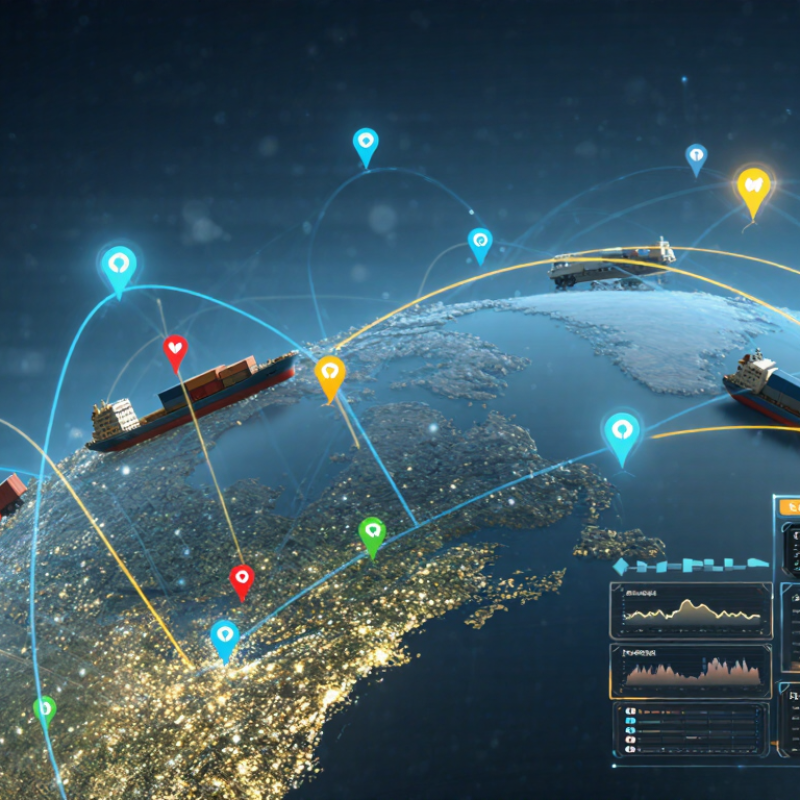
Top 10 Logistics Shipping Tracking Tools for Global Buyers

What Global Buyers Need from a Logistics Shipment Tracking Tool

Top 10 Logistics Shipping Tracking Tools for Global Buyers

What Global Buyers Need from a Logistics Shipment Tracking Tool

Global buyers need more than a moving line on a map. They need clear shipment milestones, accurate estimated arrival times, and alerts when plans change. A useful tracking tool should show pickup, departure, customs progress, arrival, and final delivery in plain language. It should also support different time zones and currencies. Confusing timestamps can create costly misunderstandings.

In practice, reliable data matters most. The tool should combine updates from carriers, warehouses, ports, and delivery partners without hiding delays. Buyers also need searchable records, downloadable reports, and secure access for different team members. A simple dashboard helps a purchasing manager check ten shipments before a morning meeting. A detailed view helps investigate one delayed container. Mobile access is valuable, but it should not replace accurate data.

No system is perfect.

Tips: Choose a tool that explains exceptions, not just delays. Test it with a real shipment before adopting it widely. Check how often tracking data refreshes and whether alerts can be customized. Ask whether the platform keeps historical records for audits and supplier reviews. Buyers should also verify delivery updates through official logistics documents when timing affects production. I have found that flashy maps attract attention, but practical search functions save more time. Some tools still miss handover events, so users should leave room for manual checks and honest uncertainty.


How the Top Tracking Tools Collect and Organize Shipping Data

Global buyers depend on tracking tools to turn scattered shipping updates into usable information. These platforms collect events from carrier systems, warehouse software, port records, GPS devices, and electronic documents. Each source uses different terms and time zones. The tool must standardize them before displaying one shipment timeline.

A typical system records pickup scans, departure times, customs milestones, transfer points, and delivery attempts. It then links those events to an order number, container reference, or parcel identifier. Data matching is not always clean. A missing digit can create a duplicate shipment. Manual checks still matter. Experienced logistics teams compare the latest scan with warehouse records and supplier messages.

Good tools organize information by status, location, expected arrival, and exception type. They may also calculate an estimated delivery window from route history, current delays, and transportation capacity. Clear alerts help buyers notice a stalled shipment before inventory runs low. However, estimates remain estimates. Weather, port congestion, and late data uploads can change them quickly. I have found that confidence indicators are more useful than overly precise arrival dates. The system can show a delay, but people still need to investigate its cause. That human step is easy to overlook.

Comparing the Top 10 Logistics Tracking Tools by Core Features

Global buyers need more than a moving map. Comparing ten leading logistics tracking tools shows clear differences in core features. Multi-carrier platforms combine parcel, air, and ocean updates in one dashboard. Carrier-specific systems often provide deeper scans, but they cover fewer transport networks. API connectivity matters when tracking data must enter an order system automatically. Without it, teams may copy reference numbers by hand.

Alert quality separates useful tools from noisy ones. The strongest options detect missed milestones, delivery changes, and long periods without scans. Some send email or mobile alerts, while better systems support role-based notifications. Estimated arrival times are helpful, but they are not promises. Weather, port congestion, and incomplete scans can change them quickly. Test this feature with real shipments, not only a product demonstration.

Document visibility is another practical divider. Several tools store invoices, packing details, and delivery records beside each shipment. Others show status only. Search filters, shared access, and exportable reports also save time during supplier reviews. From hands-on tracking work, I have found that simple screens encourage more consistent use. Advanced analytics can look impressive yet confuse smaller teams. No platform is flawless. A sensible comparison should measure update speed, alert accuracy, integration effort, data security, and support response. One overlooked weakness can appear when a delayed container sits unchanged for three days.

Evaluating Accuracy, Visibility, Integration, and International Coverage

Top 10 Logistics Shipping Tracking Tools for Global Buyers

Accuracy matters most when a container waits at a transshipment port. A useful tracking tool should separate confirmed scans from estimated events. It should also show the data source, update time, and confidence level. The World Bank’s 2023 Logistics Performance Index reported that international shipments may take about 44 days from port entry to final destination. This delay makes stale tracking data costly for buyers. A precise tool should flag missing scans instead of displaying smooth, reassuring timelines.

Visibility must continue across ocean, air, road, customs, and final-mile delivery. UNCTAD reports that maritime transport carries over 80% of global merchandise trade by volume. Therefore, ocean milestones deserve detailed attention, including gate-in, vessel departure, transshipment, arrival, and container release. Integration is equally important. Reliable tools should connect with purchasing, warehouse, and customer-service systems through APIs, EDI, or webhooks. Manual exports create avoidable gaps. International coverage is not simply a country count. It depends on local carrier access, regional scanning habits, language support, and time-zone handling. The tool may look global.

I would test ten platforms with identical shipments and compare event timing, missed updates, and delivery estimates. The result may expose uncomfortable differences. A polished dashboard can still rely on delayed carrier feeds. Buyers should record exceptions, not only successful deliveries. That evidence supports a more honest evaluation of accuracy, visibility, integration, and international coverage.

Top 10 Logistics Shipping Tracking Tools for Global Buyers

Benchmark comparison of tracking accuracy, shipment visibility, integration readiness, and international coverage.

Scores are normalized from 0 to 100 using publicly documented logistics-platform capabilities, including event-data accuracy, milestone visibility, API and webhook support, and international carrier or destination coverage. Higher scores indicate stronger overall suitability for global buyers.

Choosing the Right Tracking Tool for Your Global Purchasing Workflow

Top 10 Logistics Shipping Tracking Tools for Global Buyers

Global purchasing rarely follows a neat timeline. A supplier may confirm dispatch while the carrier shows no scan. That gap creates costly confusion. The right tracking tool should connect shipment data, purchase orders, delivery estimates, and exception alerts. When comparing ten options, test each tool with a delayed scan, split shipment, or changed delivery address. Real work is often messy. A polished dashboard is not enough.

Reliable tools combine updates from different carriers and display time zones clearly. They should preserve event histories, identify stale tracking numbers, and assign follow-up tasks. Check data permissions, export options, and alert rules before choosing a platform. These features improve traceability and reduce repeated emails. However, no system predicts every delay accurately. I once trusted an automated estimate too much, and the shipment arrived two days late. That mistake changed how I assess confidence labels and manual review controls.

Tips: Start with three real shipments. Compare alert speed, data accuracy, and handling effort. Ask whether warehouse and purchasing teams can use the same view. Keep a manual review step. It matters.