Top 2026 Logistics Freight Tracking Solutions You Need to Know?
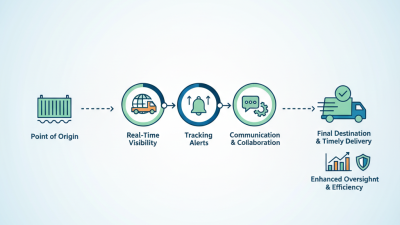
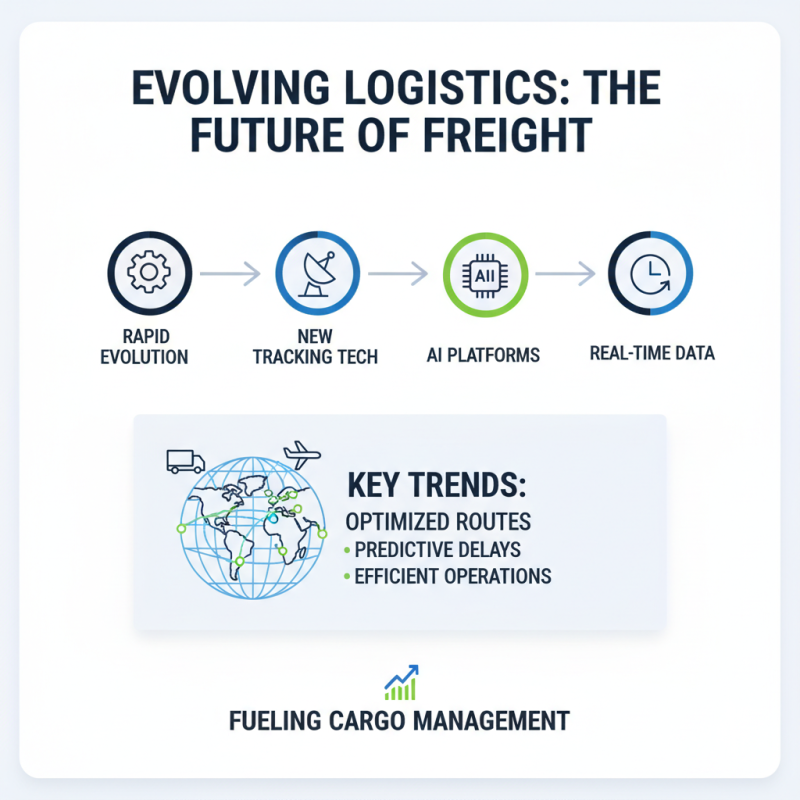
In the fast-evolving world of logistics, tracking shipments efficiently is crucial. Logistics freight tracking solutions have transformed how businesses monitor their goods. Firms now rely on technology for real-time updates, enhancing transparency and accountability.
Many of the top solutions available in 2026 offer advanced features. For instance, GPS tracking can pinpoint a shipment’s exact location. Some applications even provide predictive analytics, alerting businesses about potential delays. However, the vast range of options may overwhelm newcomers. Choosing the right platform requires careful consideration and reflection on specific needs.
Yet, these technologies are not without flaws. Occasional technical glitches can disrupt operations. Companies might find themselves grappling with integration challenges among existing systems. It’s vital to weigh the pros and cons of each solution. Ultimately, effective logistics freight tracking can make a significant difference in a business’s success.

Key Features to Look for in Freight Tracking Solutions
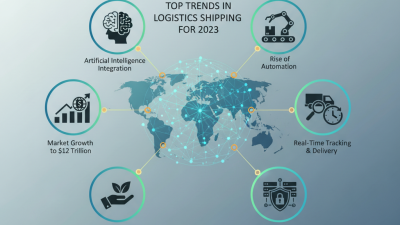
Freight tracking solutions have become essential for modern logistics. In 2023, the logistics industry saw a 15% increase in demand for tracking technologies. Businesses are seeking efficient ways to manage their shipments. Key features help differentiate effective solutions from average ones.
Real-time tracking is crucial. Customers want updates at every stage. This provides transparency and builds trust. A 2022 report showed that visibility can reduce delays by up to 30%. Advanced route optimization can save time and costs. Features like predictive analytics can forecast delays before they happen.
Tips: Look for user-friendly interfaces. If a tool is too complicated, employees may resist using it. Integration capabilities matter too. A solution that connects with existing software enhances workflow. Keep in mind that not all data is actionable. Analyze only what will drive better decisions.
Top 2026 Logistics Freight Tracking Solutions
Top Technologies Driving Logistics Freight Tracking Innovations
The logistics industry is undergoing a transformation. Advanced technologies are at the forefront of freight tracking innovations. These advancements are crucial. According to research, the global logistics industry is expected to grow at a CAGR of 7.5% from 2021 to 2026. This growth pushes the demand for efficient tracking solutions.
Artificial intelligence (AI) is a significant driver. AI algorithms analyze data in real time. They predict potential delays and optimize routes. Moreover, blockchain technology is being adopted for transparency. It provides a secure way to share shipment data among stakeholders. However, the integration of these technologies isn't without challenges. Many companies face resistance to change. Data privacy concerns also arise.
Tip: To thrive, businesses should invest in training programs. Empower your workforce with skills in new technologies. Embrace a culture of continuous learning.
The Internet of Things (IoT) is another game-changer. With connected devices, real-time monitoring becomes possible. Sensors track temperature and humidity. Such data helps prevent spoilage during transport. Yet, many companies struggle with data overload. Ensuring data security remains a pressing issue.
Tip: Simplify your data management processes. Use dashboards that summarize key metrics. Focus on actionable insights rather than overwhelming data points.
Comparison of Leading Freight Tracking Solutions in 2026
In 2026, freight tracking solutions are more critical than ever. Studies show that 70% of shippers rely on real-time tracking systems. This technology provides transparency and enhances operational efficiency. As logistics challenges grow, so does the need for innovative solutions.
Many companies now focus on integrating data analytics. With 60% of businesses reporting improved decision-making thanks to data insights, timely information is vital. However, some solutions struggle to deliver accurate data consistently. This inconsistency can lead to frustration among users.
User experience remains a significant issue. Research indicates that 47% of users express dissatisfaction with the interface of their current tracking tools. Many systems lack intuitive designs. Companies must prioritize usability to ensure smooth operations. Investing in user-friendly solutions can greatly enhance user satisfaction.
Impact of Real-Time Tracking on Supply Chain Efficiency
Real-time tracking is reshaping supply chain operations. It allows companies to know the exact location of shipments at any moment. This visibility reduces delays and improves customer satisfaction. However, not all systems are created equal. Choosing the right technology is vital, yet often overlooked. Some businesses still rely on outdated methods, facing frequent hiccups.
The impact of real-time tracking goes beyond just visibility. It enhances decision-making processes. For instance, if a shipment is delayed, teams can quickly adjust plans. This adaptability is crucial, but many organizations struggle with implementation. Integration with existing systems can be complex. Effective training is also necessary. Often, employees feel overwhelmed, hindering the benefits of the solution.
Data analysis plays a key role. Real-time insights can drive efficiency, but only if used rightly. Some companies find it challenging to interpret data effectively. A mountain of information can lead to confusion. Balancing technology with human intuition remains a dilemma. Teams must learn to collaborate with data insights while maintaining flexibility in operations. Embracing this balance is not always easy, yet it's essential for progress.
Top 2026 Logistics Freight Tracking Solutions You Need to Know
| Solution Name |
Features |
Real-Time Tracking Impact |
Supply Chain Efficiency Increase (%) |
Customer Satisfaction Rating (out of 5) |
| Freight Tracker A |
GPS tracking, automated alerts, reporting |
High visibility of shipments |
25% |
4.6 |
| Logistics Monitor B |
Live tracking, shipment management, analytics |
Enhanced decision-making |
30% |
4.8 |
| Shipment Tracker C |
Automated updates, visual maps, customer portal |
Improved communication |
20% |
4.5 |
| Cargo Tracker D |
Integration with ERP, alerts, real-time visibility |
Streamlined operations |
35% |
4.7 |
| Transport Tracker E |
E-commerce integration, real-time notifications, dashboard |
Increased operational transparency |
28% |
4.4 |