10 Tips for Reliable Shipping and Hassle Free Deliveries
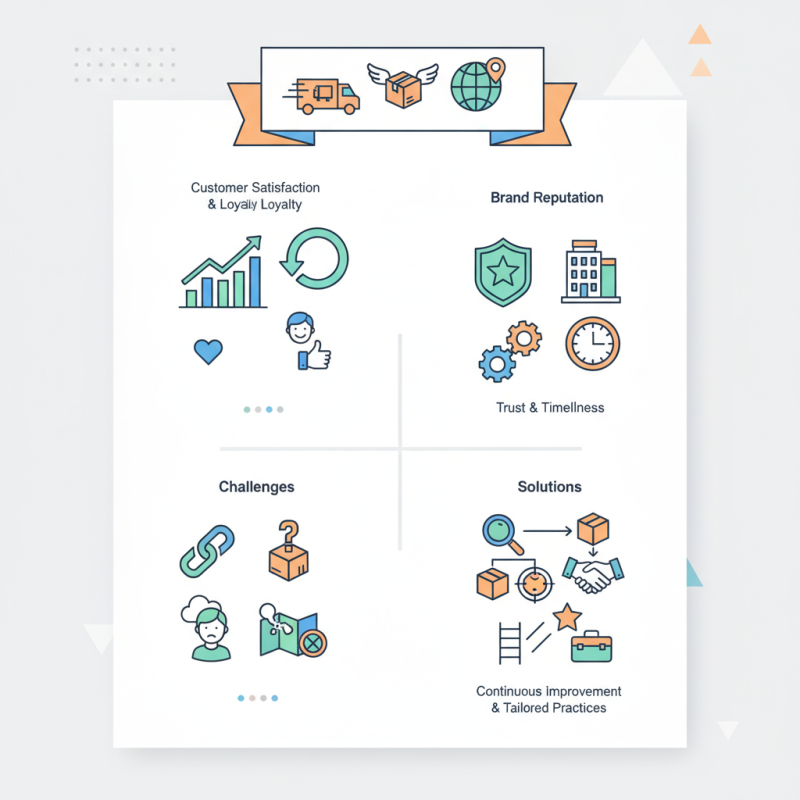
In today's fast-paced e-commerce landscape, reliable shipping has become a cornerstone of customer satisfaction. According to a recent report by the National Retail Federation, 94% of consumers will make repeat purchases if their deliveries are accurate and timely. Reliable shipping not only fosters customer loyalty, but it also impacts brand reputation. As logistics expert Dr. Emily Carter states, "Reliable shipping is not just about speed; it's about creating trust between the seller and buyer."
Despite the availability of advanced shipping technologies, challenges persist. Many businesses struggle with inventory mismanagement and destination errors. These issues can lead to delayed deliveries, frustrating customers. It’s essential to recognize that the logistics industry is far from perfect. Continuous improvement is necessary. While companies invest heavily in their shipping processes, even minor mistakes can snowball into major setbacks.
Established retail giants often have the resources to minimize discrepancies. Smaller businesses may not have such luxuries. They must focus on developing reliable shipping practices tailored to their specific needs. In embracing this challenge, companies can enhance their shipping reliability and foster stronger customer relationships. Understanding the nuances of reliable shipping is crucial for success in an ever-evolving market.
Best Practices for Choosing a Reliable Shipping Partner in 2023
When selecting a reliable shipping partner, consider their track record and customer feedback. According to logistics reports, 79% of consumers are less likely to shop with retailers that have shipping issues. On-time delivery directly impacts customer satisfaction and loyalty. A partner with a 95% on-time delivery rate can significantly enhance your reputation.
Transparency in tracking is crucial. Reports show that 73% of customers expect to receive real-time updates on their orders. This means your shipping partner should offer a robust tracking system. Some partners may lack this feature or have delayed updates, leading to frustration. Ensure that they can provide consistent communication throughout the delivery process.
Evaluate their technology and logistics network. Systems that prioritize efficiency can lower shipping times and costs. Studies indicate that logistics companies utilizing advanced technology reduce shipping delays by up to 25%. However, not all services invest equally in tech. It’s essential to ask about their capabilities and innovations. Identifying these factors helps you avoid partners who cannot meet your needs.
10 Tips for Reliable Shipping and Hassle Free Deliveries - Best Practices for Choosing a Reliable Shipping Partner in 2023
| Tip Number |
Best Practice |
Description |
| 1 |
Research Shipping Partners |
Review customer feedback and ratings to select a trustworthy partner. |
| 2 |
Evaluate Services Offered |
Check for a wide range of shipping options and additional services, such as tracking. |
| 3 |
Understand Pricing Structures |
Ensure transparent and competitive pricing that fits your budget. |
| 4 |
Check Delivery Times |
Assess the shipping partner’s ability to meet your specific delivery deadlines. |
| 5 |
Look for Technology Integration |
Choose partners that offer digital tools for easy order processing and tracking. |
| 6 |
Assess Customer Support |
Reliable customer service is crucial for resolving potential shipping issues promptly. |
| 7 |
Review Insurance Options |
Understanding insurance coverage can safeguard against lost or damaged goods. |
| 8 |
Inquire About Return Policies |
A clear and fair return policy can improve customer satisfaction and loyalty. |
| 9 |
Utilize Tracking and Analytics |
Tracking tools provide real-time updates and can help troubleshoot delays. |
| 10 |
Build Long-Term Relationships |
Establishing strong partnerships can lead to better service and pricing over time. |
Understanding Shipping Costs: How to Calculate and Minimize Expenses
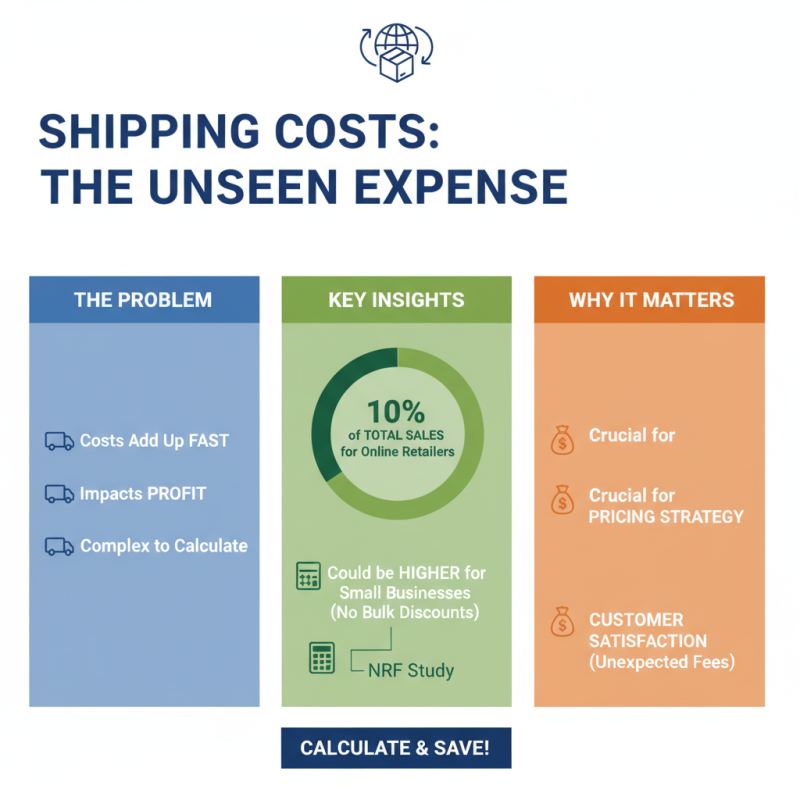
Shipping costs can quickly add up. Understanding how to calculate these expenses is crucial. A study from the National Retail Federation reveals that shipping costs can account for nearly 10% of total sales for online retailers. This percentage could be even higher for small businesses without established shipping contracts.
To minimize costs, compare multiple carriers. Rates often differ based on weight, dimensions, and distance. A report from the Freight Transportation Research suggests that businesses could save up to 20% by choosing the right carrier. It isn’t just about finding the cheapest option; reliability and delivery speed are also important. Sometimes, the less expensive choice leads to delays or lost packages.
Consider utilizing technology to optimize shipping routes. Software can analyze data to suggest the most efficient options. However, some companies hesitate to adopt these tools due to initial costs or a learning curve. Investing in this technology can lead to significant long-term savings, making it a worthy consideration.
The Importance of Packaging: Ensuring Safe Transit for All Shipments
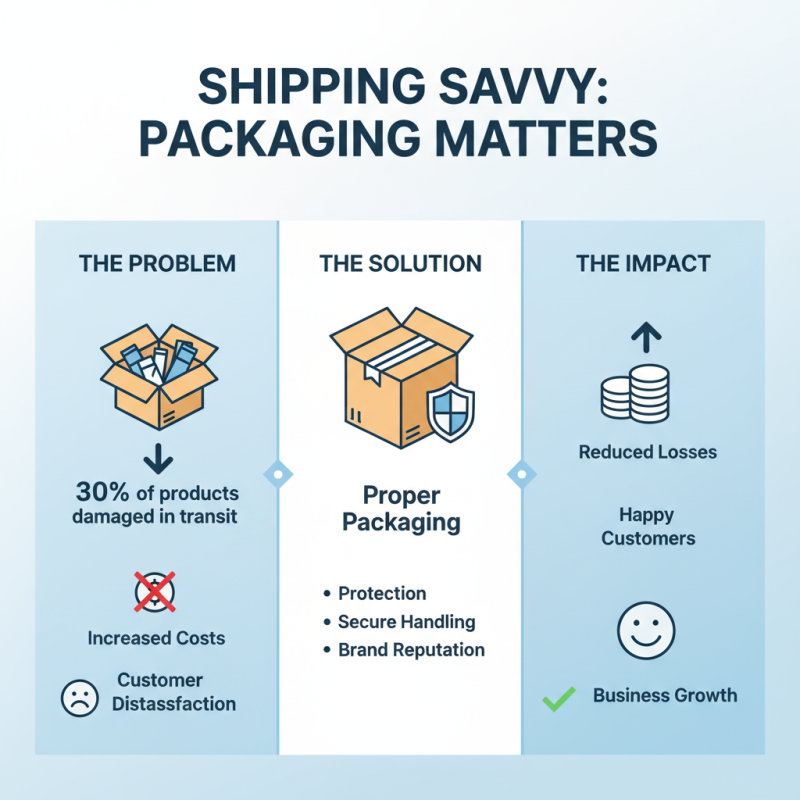
Proper packaging plays a critical role in shipping. In fact, studies show that about 30% of products are damaged in transit. This damage leads to increased costs and customer dissatisfaction. When businesses neglect packaging, they risk both financial loss and their reputation.
Secure packaging protects items during transportation. Protective materials, like bubble wrap and sturdy boxes, can reduce damage significantly. According to the Packaging Association, better packaging can lower return rates by up to 20%. Additionally, the right packaging ensures that items arrive as intended, preserving brand integrity and customer trust.
However, companies often overlook packaging's importance. Some may choose cheaper materials to cut costs. This decision can backfire, leading to more damages. Many businesses need to reevaluate their packaging strategies. Investing in high-quality materials can ultimately save money and improve customer satisfaction. Packaging is not just a minor detail; it is essential for reliable shipping and hassle-free deliveries.
Real-Time Tracking Technologies: Enhancing Customer Experience and Trust
Real-time tracking technologies are game-changers in the shipping industry. They provide updates that keep customers informed every step of the way. When a package is on its journey, users can see its exact location on a map. This transparency builds trust, as customers know where their orders are. They feel empowered when they can track deliveries in real time.
Mistakes can occur in shipping, and not everything goes smoothly. Packages may be delayed or lost. In these moments, real-time tracking becomes even more critical. Customers can instantly find out what went wrong and when to expect their orders. Immediate access to information reduces frustration. Yet, companies must also improve their responses to issues. Simple tracking systems may not always explain delays. Communication about these issues should be clear.
Trust is built over time. Even with real-time tracking, some customers may remain skeptical. They wonder if the technology is accurate. Occasionally, they may receive conflicting information about delivery statuses. This inconsistency can lead to disappointment. Thus, businesses should not only invest in technology but also focus on creating a more seamless customer experience.
Optimizing Delivery Times: Strategies for Meeting Customer Expectations
In today’s competitive market, ensuring timely deliveries is crucial. Customers expect their orders on time, no exceptions. To meet these expectations, businesses should focus on optimizing delivery times. Understanding peak seasons and customer patterns can greatly improve shipping strategies. Analyze historical sales data to anticipate busy periods. This helps in resource allocation and planning.
🕒
Communication plays a vital role. Keeping customers informed about their order status builds trust. Send timely updates about shipping and delivery. An unexpected delay can frustrate customers. A proactive approach in notifying them can mitigate dissatisfaction. Utilize tracking tools that offer real-time updates. Customers appreciate transparency more than you might realize.
However, flaws can arise in any system. Miscommunications can lead to confusion, and mismanaged logistics might cause errors. It’s essential to regularly review and refine delivery processes. Solicit feedback from customers to identify pain points. These insights can guide improvements. Remember that perfection isn't realistic, but aiming for reliability is key. Balancing speed with quality should always be a priority.