Top 10 Tips for Reducing Shipment Shipping Costs Effectively
Effective management of shipment shipping costs is a critical factor for businesses striving to enhance their profitability and operational efficiency. According to a report by the Council of Supply Chain Management Professionals (CSCMP), transportation costs constitute approximately 50% of the total logistics costs for many companies. This statistic underscores the significance of optimizing shipment shipping processes. As logistics expert Dr. Emily Reynolds states, “Understanding and controlling shipping expenses is essential for any business looking to remain competitive in today's fast-paced market.”
To successfully reduce shipment shipping costs, companies must adopt a strategic approach that incorporates various innovative tactics. For instance, leveraging advanced technologies such as AI and data analytics can significantly improve route planning and load optimization, which are instrumental in minimizing transportation expenses. Additionally, the increase in e-commerce has amplified the need for businesses to refine their shipping strategies to cater to customers' demands for speed and reliability without incurring excessive costs. By following expert recommendations and best practices, organizations can navigate the complexities of the shipping landscape while keeping their expenses in check.

Identify Key Factors Influencing Shipping Costs
When it comes to understanding shipping costs, identifying the key factors that influence these expenses is crucial for businesses looking to optimize their logistics strategies. According to a report from the Council of Supply Chain Management Professionals, transportation costs can account for over 60% of total logistics expenses. Factors such as distance, weight, and mode of transport significantly impact these costs, with a clear correlation seen between shipment distance and price. Specifically, a study from the Logistics Management magazine reveals that the average cost per mile for transporting goods has increased 12% over the past five years, stressing the need for businesses to reevaluate their shipping strategies.
Additionally, fuel prices play a pivotal role in determining shipment costs. The U.S. Energy Information Administration reported that fluctuations in fuel prices can lead to direct changes in shipping rates, with a 10% increase in fuel expenses potentially raising overall logistics costs by as much as 2% to 4%. Furthermore, the dimension and packaging of goods also influence shipping rates; shipping carriers often employ pricing based on dimensional weight rather than actual weight. As such, optimizing packaging to minimize size can lead to significant cost reductions. Businesses that analyze these key factors effectively can identify opportunities to reduce shipping costs and enhance overall operational efficiency.
Explore Different Shipping Carrier Options for Cost Savings
When it comes to reducing shipping costs, exploring different shipping carrier options is crucial for businesses looking to optimize their logistics strategy. According to a report by Armstrong & Associates, utilizing multiple carriers can lead to cost savings of up to 10-20%, as businesses can compare rates and service levels to choose the most economical option for each shipment. This approach also allows for greater flexibility, enabling businesses to capitalize on seasonal rate decreases or special promotions offered by various carriers.
In addition, leveraging technology is essential for maximizing savings through carrier comparison. Many logistics management platforms provide real-time rate comparisons between different carriers, which allows businesses to easily identify the most cost-effective shipping options based on their unique needs. A study by Logistics Management indicates that companies that adopt a multi-carrier shipping strategy can achieve up to a 15% reduction in transportation costs. By investing in such technologies, businesses not only streamline operations but also enhance their competitive advantages in today's rapidly evolving marketplace.
Top 10 Tips for Reducing Shipment Shipping Costs
This chart illustrates the estimated cost savings percentage from different shipping carrier options based on research data. Understanding these options can help you make informed decisions to effectively reduce shipping costs.
Optimize Packaging to Minimize Shipping Expenses
Optimizing packaging is a crucial step in minimizing shipping expenses. To begin with, selecting the right packaging materials can significantly affect overall shipping costs. Lightweight materials not only reduce postage fees but also help in decreasing fuel consumption during transport. By opting for materials like biodegradable foam or recycled paper, businesses can strike a balance between environmental responsibility and cost efficiency. Additionally, using materials that provide adequate protection without excess weight is essential; this avoids additional costs associated with damage during transit.
Another effective strategy involves customizing the size and shape of packages to fit their contents snugly. Avoiding oversized boxes prevents wasted space, which can lead to higher shipping fees. Using specialized packaging techniques, such as vacuum sealing or modular boxes, allows for better utilization of space within the shipping container. This approach not only optimizes transportation costs but also reduces the carbon footprint associated with shipping by minimizing the total volume being transported. Taking these steps in packaging optimization can lead to significant savings while maintaining a commitment to product safety and environmental sustainability.
Utilize Technology and Software for Shipping Management
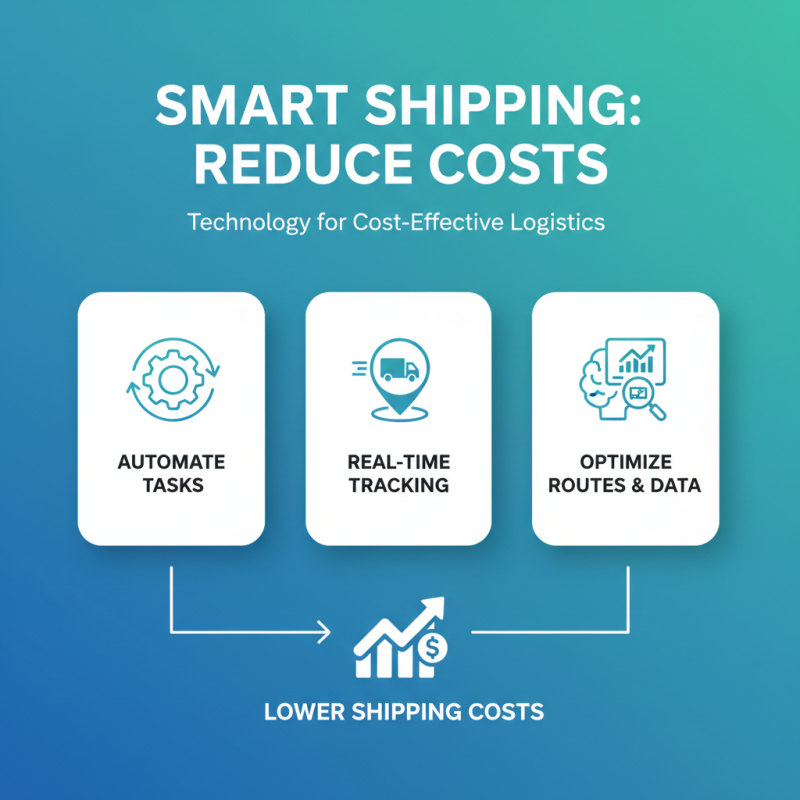
In today’s fast-paced logistics environment, utilizing technology and software for shipping management is crucial for reducing shipping costs effectively. Advanced shipping management software can streamline the entire shipping process, enabling businesses to automate routine tasks, track shipments in real time, and optimize delivery routes. These tools provide vital data analytics, helping companies make informed decisions regarding shipping methods, carrier selections, and packaging choices, ultimately leading to more cost-effective operations.
Moreover, adopting cloud-based shipping solutions allows for improved collaboration among team members and between different stakeholders in the supply chain. With features such as centralized order processing and integrated inventory management, businesses can reduce delays and minimize errors, which often lead to unexpected costs. By leveraging technology to enhance visibility throughout the shipping process, companies can respond more rapidly to changes in demand and proactively manage their shipments, ensuring that costs remain in check without sacrificing service quality.
Implement a Schedule for Regular Shipping Reviews and Adjustments
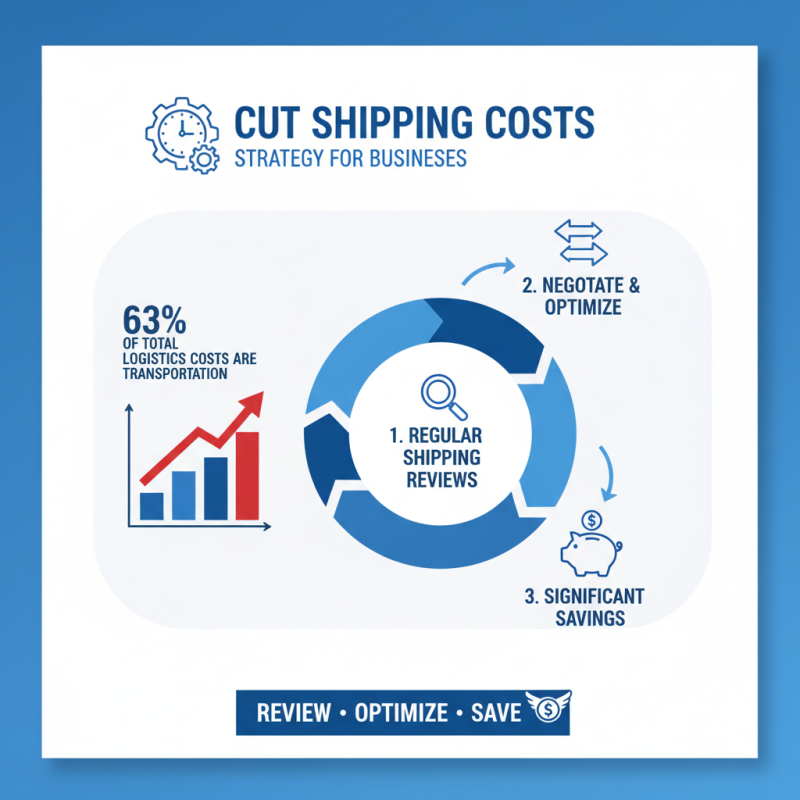
Implementing a schedule for regular shipping reviews and adjustments is a crucial strategy for businesses looking to reduce shipping costs effectively. According to a report by the Council of Supply Chain Management Professionals, transportation costs account for nearly 63% of total logistics costs in many industries. This staggering figure underscores the importance of scrutinizing shipping practices. By conducting regular assessments, companies can identify inefficiencies, negotiate better rates with carriers, and optimize shipment routes, which collectively can lead to significant cost savings.
One effective approach is to establish quarterly reviews that evaluate current shipping strategies, analyze shipping data, and benchmark against industry standards. A study by Logistics Management found that companies practicing consistent shipping reviews saw their logistics costs reduced by up to 20% over two years. This provides a strong case for dedicating time and resources to periodic evaluations. Additionally, technology can play a pivotal role; using data analytics and software solutions can facilitate real-time insights into shipping performance, allowing for informed adjustments that enhance overall efficiency and cost-effectiveness. Regular shipping reviews not only help in reducing costs but also improve a company's bottom line, making it a key practice for sustainable business growth.