
How to Source Electric Bicycles From China for Your Business?

The rising demand for electric bicycles presents a lucrative opportunity for businesses. In recent years, the global electric bicycle market has witnessed growth rates exceeding 10%. Statistics predict that by 2027, the market will reach nearly $25 billion. Sourcing Electric Bicycles From China has become a pivotal strategy for many businesses aiming to capitalize on this trend.

China is the largest producer of electric bicycles globally, accounting for approximately 80% of the supply. This vast production capability ensures competitive pricing and a variety of options to meet diverse consumer needs. However, navigating the sourcing process can be challenging. Companies must consider factors such as quality control, shipping logistics, and compliance with safety standards. A thorough understanding of these aspects is essential for successful procurement.

While sourcing from China can increase profitability, it also introduces complexities. Potential pitfalls include unreliable suppliers and communication barriers. Businesses must prioritize building relationships and conducting due diligence to mitigate risks. Engaging with industry experts or consultants can enhance credibility. Electric bicycles from China can be a game changer for your business if approached strategically.
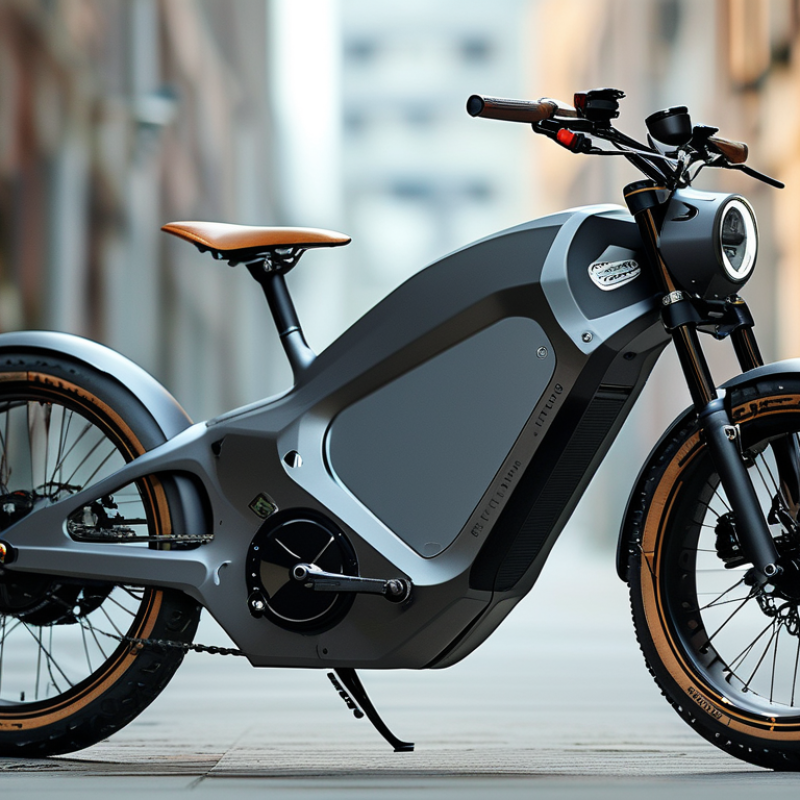
How to Source Electric Bicycles From China for Your Business?

Understanding the Electric Bicycle Market in China

The electric bicycle market in China has seen rapid growth in recent years. As of 2022, approximately 35 million electric bicycles were sold in the country, contributing to a market value exceeding $28 billion. The rising demand is fueled by urbanization and an increased focus on sustainable transportation. However, navigating this market requires careful analysis.

The key players in the electric bicycle industry are diverse. Manufacturers range from small-scale assemblers to large corporations. Understanding the regional preferences is crucial. For instance, northern cities may prefer models that perform well in colder climates, while southern locales look for lightweight versions. This variance creates an opportunity but also complicates sourcing. It's essential to be aware of the regulatory environment as well. Compliance with safety standards is mandatory but varies regionally.

Quality control remains a significant concern. Not all manufacturers adhere to the same standards. Companies must conduct thorough inspections. Reports indicate that nearly 15% of exported bicycles were subjected to quality issues. Finding reliable partners is essential for sustaining business growth in this competitive landscape. Adapting to customer needs will improve service but requires ongoing market research.

Identifying Reliable Manufacturers and Suppliers

Sourcing electric bicycles from China can be challenging. Identifying reliable manufacturers and suppliers is crucial. Start by researching online platforms where suppliers list their products. Look for those with verified business licenses and positive customer reviews. These details add a layer of trustworthiness that is important in this industry.

Visit trade shows if possible. Engaging face-to-face allows you to assess product quality firsthand. Check for certifications that meet international safety standards. This information will help ensure what you're sourcing is reliable. However, be cautious. Some suppliers may exaggerate their capabilities or quality. Always request samples before placing large orders.

Consider building relationships. Long-term partnerships often result in better prices and service. Regular communication helps in understanding their production processes and reliability. Reflect on the trade-offs. Understanding cultural differences can also play a significant role in your negotiations. Always question assumptions and gather multiple quotes to make informed decisions.

Evaluating Product Quality and Compliance Standards

When sourcing electric bicycles from China, product quality and compliance standards are crucial. Begin with a thorough evaluation of potential suppliers. Request samples to assess the materials and craftsmanship. Look for sturdy frames and reliable components. Quality control checks are essential to ensure durability and safety.

Certifications are indicators of compliance with international standards. Check for ISO certifications or those specific to electric bicycles. These documents confirm adherence to safety and performance regulations. However, not all suppliers are transparent about their certifications. This transparency can vary, so do not hesitate to ask for documentation. It's telling if a supplier is reluctant to provide proof.

Consider visiting factories if possible. A firsthand look reveals production processes and labor conditions. This adds another layer of trust in your sourcing decision. Keep in mind that some suppliers may not meet your expectations. Contracts should include quality assurance clauses to protect your business. Quality sourcing takes time and diligence. It is not uncommon to encounter issues along the way. Each setback offers a learning experience, refining your sourcing strategy for the future.

How to Source Electric Bicycles From China for Your Business? - Evaluating Product Quality and Compliance Standards

Criteria Description Importance Compliance Standards
Material Quality Assessing the raw materials used in production. High ISO 9001
Battery Performance Evaluating battery durability and efficiency. Critical UN38.3
Safety Features Includes brakes, lights, and reflectors. High EN 15194
Environmental Impact Considering eco-friendly production processes. Medium RoHS
Warranty and Support Evaluating the warranty period and after-sales service. Important N/A

Navigating Shipping and Import Regulations

Navigating shipping and import regulations when sourcing electric bicycles from China can be challenging. Each country has different rules, and it is crucial to understand these before placing any orders. Start by researching your local customs regulations. This helps in avoiding unexpected fees and delays. You may find that documents like import permits or regulatory compliance certifications are necessary.

After assessing local regulations, investigate the shipping options available. Freight forwarders can help manage logistics, but you should vet their experience with bicycle imports. Consider shipping costs and transit times; these can vary significantly. Remember, shipping methods like air freight are faster but more expensive compared to sea freight.

In dealing with imports, be prepared for potential hurdles. Customs inspections can happen, which might delay your shipment. Learn from others who have faced similar situations; their insights can help you avoid pitfalls. Being proactive in understanding shipping regulations not only saves time but also ensures a smoother import experience.

Establishing Payment Terms and Negotiating Prices

When sourcing electric bicycles from China, payment terms and price negotiations are crucial. Understanding these factors can significantly impact your profit margins. Reports suggest that around 45% of businesses face challenges in establishing favorable payment terms. It's essential to approach this process with a clear strategy.

Negotiating prices requires you to be informed. According to industry insights, the average price per electric bicycle ranges from $500 to $1,500, depending on specifications. Buyers often overlook hidden costs like shipping, customs, and tariffs. It's vital to clarify these details upfront.

Tips: Build strong relationships with suppliers. A good rapport can lead to better price negotiations. Consider starting with a small order. This approach allows you to gauge product quality and supplier reliability. Lastly, don't hesitate to request discounts for bulk orders. This can be a game-changer in maintaining your budget.