How to Ensure Reliable Shipping for Your Global Purchases?
In today's global marketplace, ensuring reliable shipping is essential for businesses and consumers alike. The logistics industry has grown significantly, with a reported 14% increase in cross-border e-commerce in the last year alone. As companies expand their operations worldwide, the demand for effective shipping solutions rises. Unfortunately, many still encounter challenges with delays, damaged goods, and customs issues.
According to a recent study, 30% of online shoppers have abandoned their carts due to unsatisfactory shipping options. This statistic underscores the importance of reliable shipping in maintaining customer satisfaction and loyalty. Key players in the shipping industry are investing in technology to enhance tracking and streamline operations. Yet, despite advancements, miscommunication and unexpected fees remain common pitfalls.
Navigating shipping logistics requires flexibility and knowledge. It’s vital to research shipping partners and understand local regulations. While reliable shipping may seem straightforward, many overlook crucial details that can impact the overall purchasing experience. Addressing these factors can lead to a smoother transaction process and better outcomes for all parties involved.

Understanding the Importance of Reliable Shipping for Global Purchases
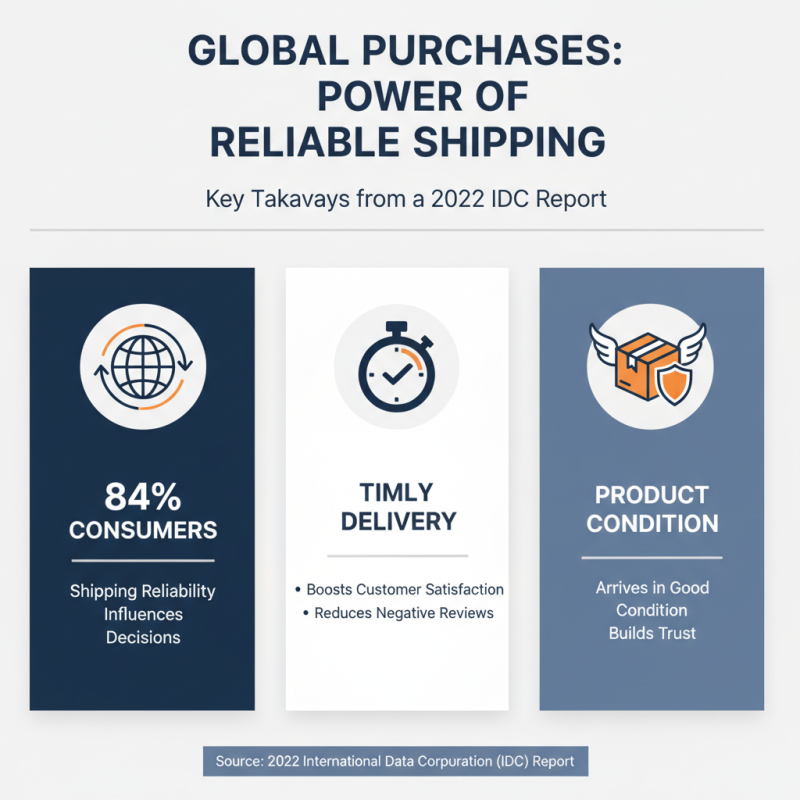
Reliable shipping plays a crucial role in global purchases. It ensures that products reach consumers in good condition and on time. According to a 2022 report by the International Data Corporation (IDC), 84% of consumers stated that shipping reliability influences their purchasing decisions. Timely delivery can elevate customer satisfaction, while delays may lead to negative reviews.
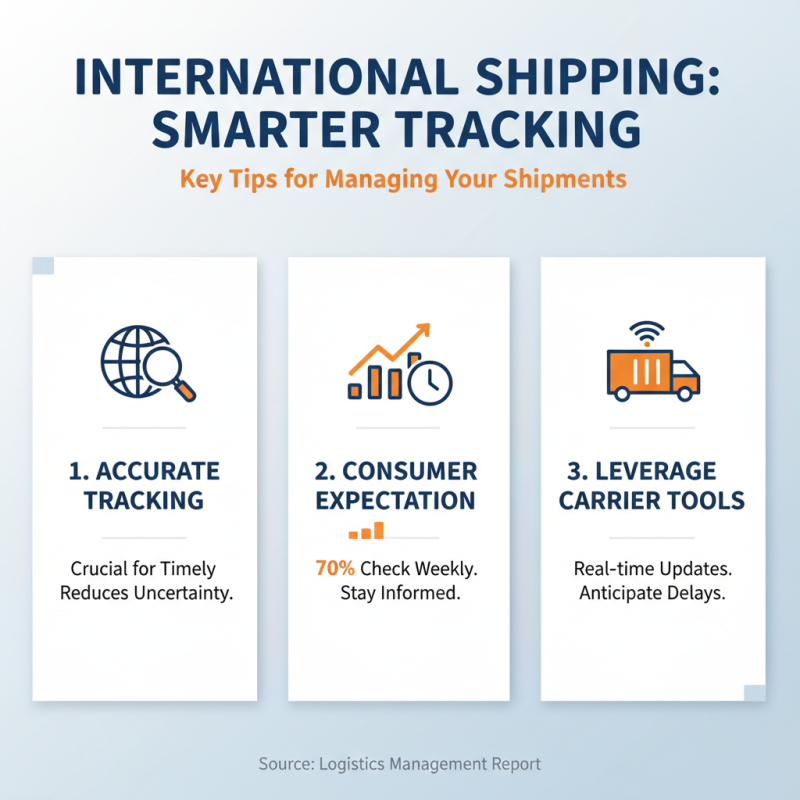
In addition, a survey conducted by Statista found that 75% of shoppers abandoned their carts if shipping options were unclear. This demonstrates that transparency in shipping processes is essential. Retailers must provide accurate tracking information to build trust with customers. Without this, businesses risk losing sales and damaging their reputation.
However, many companies struggle with logistics. Complexities such as customs regulations and shipping costs can hinder operations. Some businesses may not offer international shipping or fail to understand shipping timeframes. This can reflect poorly on their brand. Investing in reliable shipping methods can yield higher customer loyalty and improved sales outcomes.
Evaluating Different Shipping Options for International Orders
When considering shipping options for international orders, it's crucial to evaluate various factors. A survey by the International Trade Centre revealed that 75% of consumers abandon their carts due to expensive shipping costs. This statistic highlights the importance of cost-effective options. Ground, air, and sea freight all present unique benefits and drawbacks.
Air freight is the quickest method, often delivering within days. However, it tends to be the most expensive. In contrast, sea freight offers lower costs but can take several weeks. Companies must assess urgency versus budget. Data from the World Bank indicates that shipping costs represent about 20% of the final retail price for many products. Understanding this can drive informed choices.
Reliability is another key factor. According to the Global Express Association, delays can occur in 30% of shipments. Not all shipping providers have the same track record. Researching provider reputations and customer reviews can shed light on reliability metrics. Some options may seem appealing, but hidden fees or poor service can lead to dissatisfaction.
Key Factors to Consider When Selecting a Shipping Provider
When selecting a shipping provider for your global purchases, it’s crucial to consider several key factors.
Reliability is paramount.
A dependable shipping partner should have a proven track record of on-time deliveries. Look for reviews and testimonials to gauge their performance.
Understanding their delivery times can help set clear expectations for you and your customers.
Costs also play a significant role. Different providers may have varying rates and hidden fees.
Be diligent in examining quotes. Ask for detailed breakdowns to avoid surprise costs later.
Remember, the cheapest option may not always be the best.
Balancing cost with reliability is essential.
Tips for making an informed choice:
- Research the provider's insurance options. This ensures protection against lost or damaged goods.
- Check their tracking capabilities. Real-time tracking can enhance customer satisfaction.
- Communicate your specific needs clearly. This helps the provider tailor their services to your requirements.
Make sure to reflect on these aspects before making a decision. Evaluating your priorities carefully can lead to a more effective shipping strategy.
Each choice presents its own challenges, so be prepared to adapt as needed.
Preparing for Customs and Import Regulations in Global Shipping
Navigating customs and import regulations is crucial for global shipping success. Research shows that around 30% of international shipments experience delays due to customs issues. Understanding local laws can prevent these problems. Each country has unique regulations. Some require specific documentation, while others impose strict tariffs.
Complications can arise from improper labeling or missing paperwork. For example, about 20% of shipments are returned due to incomplete customs forms. It's vital to check requirements before shipping. Utilizing online resources can help. Many governments provide detailed guides on their import processes.
Failing to prepare can lead to costly mistakes. Delays can result in lost sales and unhappy customers. Moreover, improper duty payments may increase overall shipping costs. Keep in mind, compliance is a moving target due to changing regulations. Regularly updating knowledge is essential in this environment. A proactive approach is required for smooth transactions and satisfied buyers.
How to Ensure Reliable Shipping for Your Global Purchases?
| Shipping Method |
Estimated Delivery Time |
Customs Fees |
Documentation Required |
Insurance Options |
| Air Freight |
3-7 days |
Varies by country |
Commercial Invoice, Bill of Lading |
Available |
| Sea Freight |
20-30 days |
Generally lower |
Commercial Invoice, Bill of Lading, Packing List |
Available |
| Express Courier |
1-5 days |
Higher rates apply |
Commercial Invoice, Airway Bill |
Optional |
| Postal Services |
7-21 days |
Low but varies |
Customs Declaration |
Not typically available |