How to Optimize Logistics Solutions for Effective Tracking and Management
In today's fast-paced business environment, optimizing logistics solutions tracking has become paramount for organizations aiming to enhance their operational efficiency and customer satisfaction. The intricacies of global supply chains, coupled with the growing consumer demand for transparency, necessitate the incorporation of robust tracking systems within logistics frameworks. By leveraging advanced technologies and innovative methodologies, businesses can streamline their processes, ensuring that every step of the logistics journey is meticulously monitored and managed.
Effective tracking within logistics solutions is not just about knowing where goods are in real-time; it is about gaining actionable insights that can drive strategic decision-making. Companies can reduce delays, minimize costs, and ultimately improve service delivery by utilizing data-driven approaches to logistics management. Furthermore, as businesses seek to adapt to market changes and consumer expectations, the ability to track shipments and inventory accurately becomes a critical factor in maintaining a competitive edge. By focusing on optimizing logistics solutions tracking, organizations can build resilience and foster deeper trust with their stakeholders.

Understanding the Importance of Logistics Optimization for Businesses
Logistics optimization plays a crucial role in enhancing operational efficiency and boosting profitability for businesses across various sectors. By streamlining processes, organizations can achieve better resource allocation, reduce delays, and minimize costs associated with transportation and inventory management. Effective logistics solutions entail deploying advanced technologies and data analytics to monitor and manage the supply chain dynamically, allowing businesses to respond swiftly to fluctuations in demand and market conditions.
Moreover, the importance of logistics optimization extends beyond immediate cost savings. It significantly contributes to customer satisfaction by ensuring timely deliveries and accurate order fulfillment. Businesses that prioritize logistics efficiency foster stronger relationships with their clients, as reliable performance can lead to repeat business and positive word-of-mouth. Additionally, optimizing logistics can improve visibility throughout the supply chain, allowing decision-makers to make informed choices based on real-time data, which is vital for maintaining a competitive edge in today’s fast-paced market environment.
Key Components of Effective Tracking Systems in Logistics
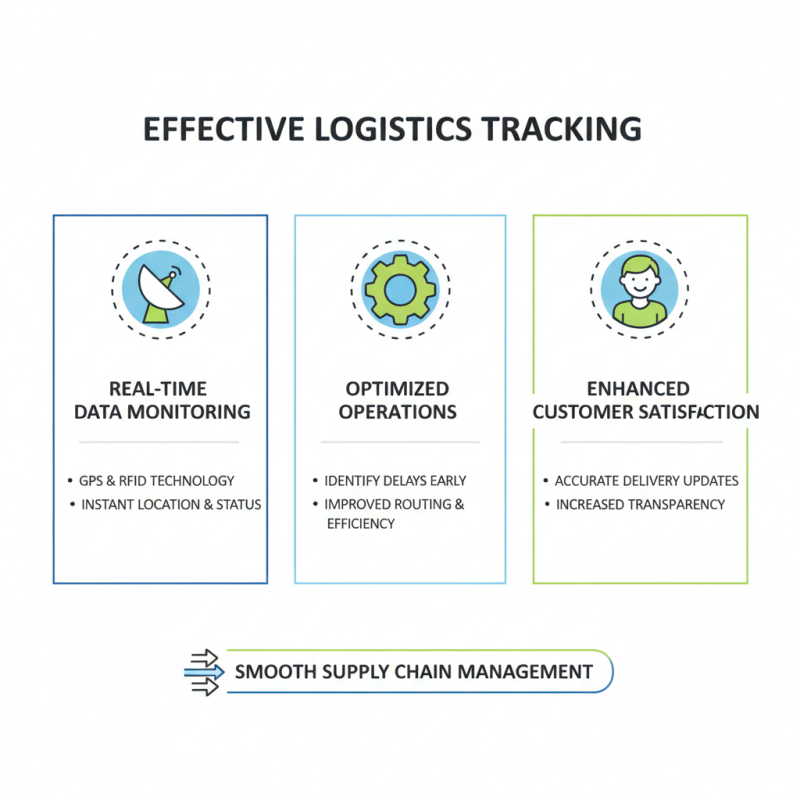
Effective tracking systems in logistics are essential for optimizing operations and ensuring smooth supply chain management. One of the key components of these systems is real-time data monitoring. By utilizing advanced technologies such as GPS and RFID, businesses can gain instant insights into the location and status of their shipments. This transparency not only helps in identifying potential delays but also enhances customer satisfaction by providing accurate delivery updates.
Another crucial aspect is data analytics and reporting. This allows logistics managers to analyze historical data for better decision-making. By understanding patterns and trends in shipping and delivery, companies can identify bottlenecks, forecast demand, and optimize routes. Furthermore, integrating these insights with inventory management can significantly improve stock levels and reduce costs. Overall, a robust tracking system that encompasses real-time monitoring and data analytics is vital for effective logistics management and operational efficiency.
Strategies for Streamlining Supply Chain Management
Streamlining supply chain management is essential for businesses aiming to enhance efficiency and reduce operational costs. One effective strategy is the implementation of integrated technology solutions. By leveraging advanced software systems, organizations can facilitate real-time communication between different supply chain partners. This integration enables tracking of inventory levels, shipment status, and order fulfillment processes, allowing businesses to make informed decisions quickly and address potential issues before they escalate.
Another critical strategy involves optimizing route planning and logistics operations. Utilizing data analytics to analyze shipping routes can lead to significant reductions in transit times and fuel costs. Companies can employ predictive analytics to forecast demand accurately, aligning inventory levels with customer needs. Additionally, implementing a just-in-time (JIT) inventory strategy can help minimize excess stock and reduce warehousing costs while ensuring that products are available when needed. By continuously refining these processes, businesses can improve their overall supply chain agility and responsiveness.
Logistics Solutions Performance Metrics
Technological Innovations Enhancing Logistics Solutions
In today’s rapidly evolving logistics landscape, technological innovations play a crucial role in enhancing logistics solutions. According to a report by McKinsey & Company, companies that leverage advanced technologies such as artificial intelligence (AI), the Internet of Things (IoT), and blockchain are seeing improvements in operational efficiency and visibility. For instance, AI algorithms can optimize routing and delivery schedules, reducing fuel consumption by up to 15%, while IoT devices provide real-time tracking of shipments, significantly improving accuracy in inventory management.
Furthermore, the adoption of blockchain technology offers unprecedented security and transparency in supply chain processes. A recent study by Gartner predicts that by 2025, 75% of supply chain relationships will involve the use of blockchain for enhanced traceability and trust. This shift not only reduces the risk of fraud but also streamlines cross-border transactions by ensuring all parties have access to secure, verifiable data. Overall, these technological innovations are not just improving logistics solutions but are setting the foundation for a smarter, more efficient future in global supply chain management.
Best Practices for Monitoring and Analyzing Logistics Performance
In today’s fast-paced logistics landscape, effective performance monitoring and analysis are crucial for optimizing supply chain operations. According to a report by Logistics Management, companies that invest in advanced analytics tools can enhance their logistics effectiveness by up to 20%. This is achieved through real-time data insights that empower businesses to make informed decisions, mitigate risks, and respond promptly to issues such as delays and inventory shortages.
Implementing best practices for monitoring logistics performance involves setting clear KPIs (Key Performance Indicators) that align with business goals. Metrics such as order accuracy, delivery times, and inventory turnover are essential for evaluating effectiveness. The Council of Supply Chain Management Professionals (CSCMP) recommends using a balanced scorecard approach to capture both qualitative and quantitative aspects of performance. By regularly reviewing these metrics, organizations can identify trends and areas for improvement, leading to better resource allocation and enhanced customer satisfaction.
Tips for effective logistics performance monitoring include investing in cloud-based tools that offer real-time tracking capabilities. These tools not only provide visibility into each shipment's status but also enable data analysis to spot inefficiencies in the supply chain. Another tip is to foster a culture of continuous improvement within the organization, encouraging teams to share insights and collaborate on solutions to optimize logistics operations.
How to Optimize Logistics Solutions for Effective Tracking and Management - Best Practices for Monitoring and Analyzing Logistics Performance
| Metric |
Current Value |
Target Value |
Improvement Action |
| On-time Delivery Rate |
85% |
95% |
Implement route optimization software |
| Inventory Turnover Ratio |
6 times |
8 times |
Analyze demand forecasting |
| Warehouse Utilization Rate |
70% |
85% |
Optimize layout and storage systems |
| Cost per Shipment |
$120 |
$100 |
Negotiate with carriers |
| Return Rate |
5% |
3% |
Improve quality control |