What is logistics solutions tracking and how does it work?
Logistics solutions tracking has become essential in the modern supply chain. Accurate tracking enhances visibility and efficiency. Businesses rely on logistics tracking to monitor shipments in real-time. This ensures timely delivery and better customer service.
Using advanced technology, logistics solutions tracking enables companies to manage their inventory effectively. GPS and RFID systems offer real-time insights. These tools help organizations respond to issues quickly. However, tracking systems can sometimes be inaccurate. This could lead to delays and frustrations.
Despite advancements, challenges remain. Some businesses face integration issues with existing systems. Others struggle with data overload. These factors can hinder the effectiveness of logistics solutions tracking. Reflecting on these challenges is crucial for continuous improvement.
What is Logistics Solutions Tracking?
Logistics solutions tracking refers to the processes involved in monitoring the movement of goods throughout the supply chain. This system enhances visibility and accountability from the moment an item is picked up until it is delivered to its destination. By leveraging advanced technologies, organizations can gain real-time insights into their shipments, which assists in making informed decisions.
Effective tracking often integrates tools like GPS and RFID. These technologies help provide precise location data, allowing companies to anticipate delays and manage their inventory more efficiently. Logistics tracking can reduce operational costs and improve customer satisfaction, but it is not always flawless. Occasionally, systems may encounter technical glitches that disrupt data flow.
There are challenges in implementing these solutions, as not all businesses adopt standardized tracking methods. This can lead to inconsistencies and confusion. Moreover, many employees might need more training to use tracking tools effectively. Organizations should prioritize regular assessments of their tracking systems to ensure they remain reliable and efficient.
Key Components of Logistics Tracking Systems
Logistics tracking systems are essential for monitoring the movement of goods. They offer real-time insights into the supply chain. One key component is GPS technology. It pinpoints the exact location of shipments. This allows companies to predict arrival times more accurately. Real-time updates reduce uncertainties for all parties involved.
Another critical aspect is data integration. Modern logistics solutions collect vast amounts of data from multiple sources. An effective tracking system synchronizes this information. It offers a clear overview of inventory levels and vehicle status. Many organizations struggle here due to inconsistent data formats.
User-friendly interfaces play a vital role as well. They enable teams to access information easily. Visual dashboards can help identify trends swiftly. However, not all systems offer this feature. Some may present overwhelming data without clarity. This can lead to confusion rather than better decision-making.
How Logistics Tracking Works: A Step-by-Step Process
Logistics tracking is a vital component of supply chain management. It enables businesses to monitor their shipments in real-time and enhance operational efficiency. According to a 2023 industry report, companies with effective tracking solutions report a 25% reduction in logistical errors. The process begins when a shipment leaves the warehouse. Each item is tagged with a unique identifier, often a barcode or RFID chip.
Once the package is in transit, GPS technology plays a crucial role. It tracks location and estimated delivery times. This data is transmitted to a central system, providing visibility for both the sender and the receiver. A study by the Gartner Group indicates that 75% of consumers prefer real-time updates during delivery. However, issues can arise. Delays may occur due to traffic or weather conditions. Companies must communicate these issues promptly.
Furthermore, the effectiveness of logistics tracking hinges on data integration across platforms. This means syncing information from various sources like transportation management systems and last-mile delivery networks. If not managed well, companies may face data silos, leading to confusion. Reflecting on these challenges can help businesses fine-tune their logistics strategies, ultimately enhancing customer satisfaction. Proper training for staff is essential. Ensuring that they understand the tracking system can minimize errors and improve response times.
Logistics Solutions Tracking: A Step-by-Step Process
| Step |
Description |
Key Activities |
Tools Used |
| 1 |
Order Placement |
Customer places an order online. |
E-commerce platform, Order Management System |
| 2 |
Inventory Check |
System checks inventory for product availability. |
Inventory Management System |
| 3 |
Order Processing |
Order is processed and prepared for shipment. |
Warehouse Management System |
| 4 |
Shipping Arrangement |
Carrier is selected and shipping details confirmed. |
Transportation Management System |
| 5 |
Tracking and Updates |
Customer can track shipment in real-time. |
Tracking Software, Mobile App |
| 6 |
Delivery Confirmation |
Confirmation of delivery is sent to customer. |
Notification System |
Benefits of Implementing Logistics Solutions Tracking
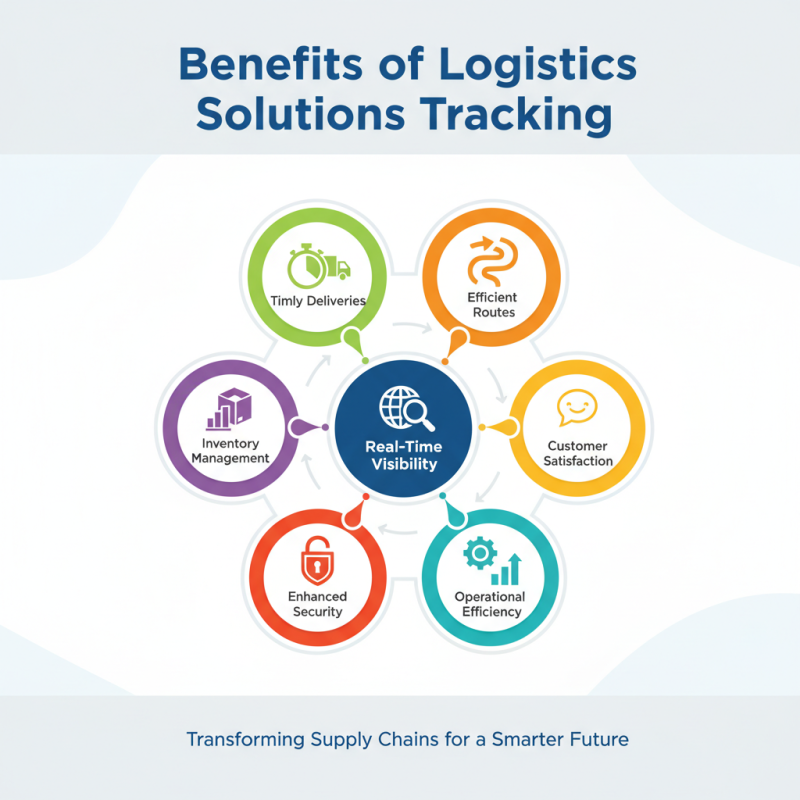
Logistics solutions tracking is transforming how businesses manage their supply chains. This process provides real-time visibility into inventory and shipment status. Companies can track their assets at every step, ensuring timely deliveries and efficient routes. This transparency helps to enhance customer satisfaction as clients receive accurate updates on their orders.
Implementing logistics solutions tracking offers numerous benefits. One significant advantage is improved efficiency. Businesses can quickly identify bottlenecks in their processes and address issues proactively. Additionally, this tracking allows for better resource allocation. Teams can prioritize tasks based on real-time data, minimizing waste. Cost savings emerge as companies reduce delays and optimize their operations. However, integrating new tracking systems can be challenging. It often requires training and adapting to new technologies, which some employees might resist.
Another benefit lies in enhanced decision-making. Businesses gain insights from data analytics, helping them forecast demand more accurately. Flexible tracking systems enable companies to respond faster to market changes. But achieving this flexibility poses its own set of challenges, such as the need for consistent data standards across partners. Industry leaders understand the importance of learning from these difficulties to create robust logistics solutions that drive growth.
Challenges in Logistics Tracking and Solutions
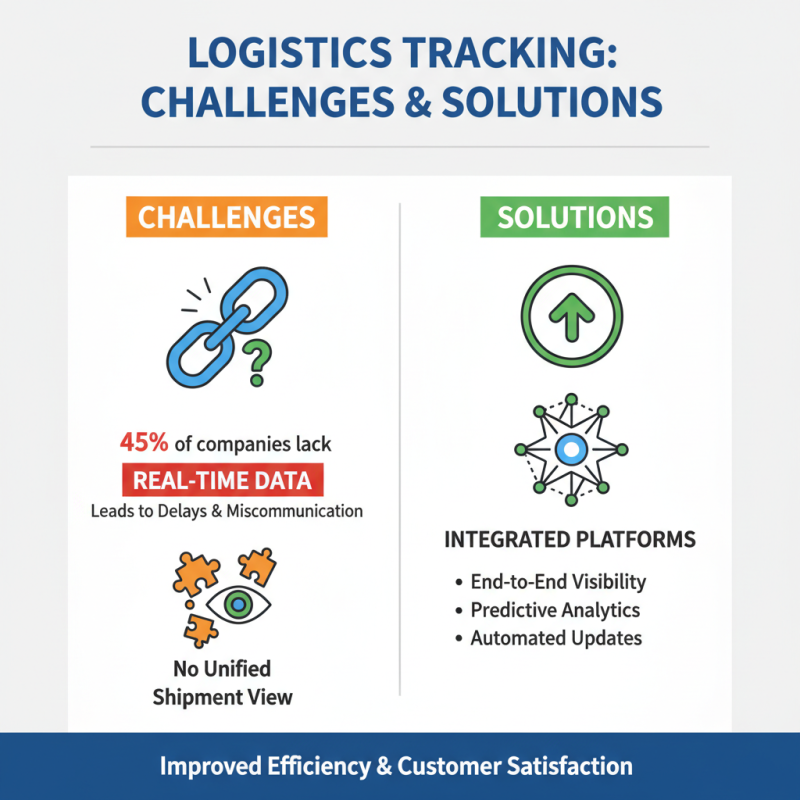
Logistics tracking faces significant challenges that can hinder efficiency and accuracy. One key issue is data visibility. According to a recent study, around 45% of companies report a lack of real-time data as a major challenge. This issue leads to delays and miscommunication throughout the supply chain. Many businesses struggle to obtain a unified view of their shipments, making it difficult to respond to disruptions.
Another critical challenge is the integration of technology. Many legacy systems fail to communicate effectively with newer tracking solutions. A survey by industry experts found that 37% of logistics managers view integration as a pressing concern. This can limit the effectiveness of tracking efforts and can lead to inaccurate shipments. Implementing modern platforms can provide real-time updates, but many companies hesitate due to the associated costs and complexities.
Moreover, human error still plays a role in logistics tracking. Despite advancements in technology, mistakes in data entry are common. Up to 30% of tracking issues arise from manual data handling. This highlights the need for continuous training and improvement in processes. Companies must reflect on their tracking methods and invest in solutions that enhance accuracy and reliability.