10 Essential Tips for Effective Logistics Tracking Strategies?
In today’s fast-paced supply chain environment, effective logistics tracking is crucial. Companies face challenges in managing shipments and ensuring timely deliveries. Proper logistics tracking strategies can enhance visibility and efficiency.
Many businesses overlook the importance of real-time data. Without it, teams struggle to make informed decisions. This lack of clarity can lead to delays and increased costs. Reliable logistics tracking provides insights that help avoid these pitfalls.
Organizations often need to rethink their tracking methods. Relying solely on manual processes can lead to errors. Embracing technology can transform logistics operations. Businesses must evaluate their current strategies. Are they effectively tracking every stage of the supply chain? By addressing these questions, they can develop effective logistics tracking strategies for future success.
Key Principles of Effective Logistics Tracking Systems
Effective logistics tracking systems are crucial for modern supply chain management. According to a report by the Council of Supply Chain Management Professionals, companies that utilize advanced tracking technology can reduce their logistics costs by up to 15%. This statistic highlights the financial advantages of implementing robust tracking strategies.
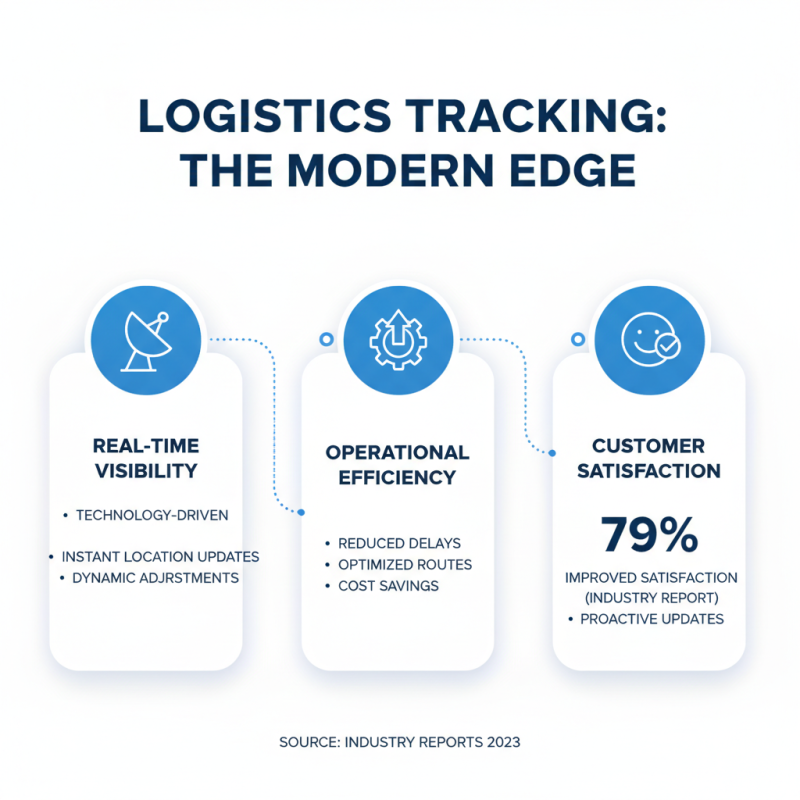
Key principles of effective logistics tracking include real-time data visibility, proactive communication, and integration with existing systems. Real-time tracking allows companies to monitor shipments as they move across various locations. This visibility helps in making quick adjustments to avoid delays. A lack of real-time data can lead to missed opportunities and loss of customer trust.
Moreover, proactive communication with stakeholders fosters transparency. Regular updates maintain customer satisfaction and reduce anxiety during transit. However, many companies struggle with data integration from diverse sources. This disconnection can hinder timely decisions and lead to inefficiencies. Reflecting on these challenges is essential for continuous improvement in logistics tracking systems.
Establishing Clear Communication Channels with Stakeholders
Effective logistics tracking relies heavily on clear
communication channels with stakeholders. When supply chain participants share information openly,
inefficiencies decline. A study indicated that
companies with robust communication practices reduce delays by 24%. This demonstrates
the necessity for transparent dialogues, especially in crisis situations. Regular updates prevent
miscommunication and keep everyone aligned.
Technology plays a crucial role in fostering these communications. Real-time tracking systems
must be user-friendly. Stakeholders of all technical levels should access data easily. However, some
organizations neglect training, leading to underutilization of tools. According to logistics experts,
43% of logistics companies face challenges due
to lack of communication training. Addressing training deficiencies can significantly enhance
operational efficiency.
Additionally, feedback loops are essential. Gathering input from all stakeholders improves
tracking systems. Yet, many firms overlook the value of these insights. They may think they know the
best practices without consulting their teams. This disconnect can create barriers. By actively engaging
stakeholders in the communication process, organizations can drive innovation
and adapt their strategies for better outcomes.
Implementing Data Analytics for Enhanced Tracking Insights
Logistics tracking is evolving rapidly. Implementing data analytics is crucial for enhancing tracking insights. According to a recent report by Gartner, organizations that utilize data analytics can improve their supply chain efficiency by up to 15%. This statistic shows the importance of leveraging data to drive visibility in logistics.
Using real-time data can significantly reduce delays. However, many companies struggle with data silos. They often miss key insights due to fragmented systems. The same Gartner report highlighted that 70% of companies have difficulty consolidating their data. Addressing this issue is vital for better decision-making and faster responses. Companies should invest in integrated platforms that unify their data sources.
Moreover, predictive analytics can optimize inventory management. A McKinsey study found that organizations employing predictive analytics see a 30% reduction in stockouts. This capability can lead to higher customer satisfaction, yet many firms lack the expertise to harness these tools effectively. This is a gap that needs contemplation. Failing to adapt may result in missed opportunities. Data analytics can revolutionize logistics tracking, but only if implemented correctly.
Developing Contingency Plans for Tracking Disruptions
Developing contingency plans for tracking disruptions is crucial for any effective logistics strategy. Unexpected delays can arise from a variety of factors. These include natural disasters, technical failures, or even human error. It's important to anticipate these challenges. Regularly assess the potential risks within the logistics process. Identify weak points that could cause significant disruptions.
Having backup systems is essential. For instance, if a tracking software fails, implement a manual tracking method. This ensures constant visibility of shipments. Communication is also key. Keep all parties informed during a disruption. Transparency fosters trust and reduces anxiety among clients. Regularly review and update your contingency plans. This is not a one-time task; it requires ongoing attention.
Don’t overlook the importance of training staff. Employees should be prepared for unexpected incidents. Simulated disruptions can help them practice responses. Reflect on past challenges and learn from them. This prevents repeating mistakes and enhances the overall logistics process. Embrace flexibility in your tracking strategies. Adjusting plans in real-time can significantly mitigate disruptions.