How to Enhance Your Logistics Solutions Tracking for Better Efficiency in 2025
In the rapidly evolving landscape of supply chain management, the significance of logistics solutions tracking has never been more pronounced. As we gear up for 2025, organizations must prioritize the enhancement of their tracking capabilities to meet increasingly complex demands. The integration of advanced technologies such as IoT, real-time data analytics, and artificial intelligence can vastly improve visibility throughout the logistics process, enabling businesses to respond swiftly to disruptions and optimize their operations.
Furthermore, effective logistics solutions tracking fosters better communication across the supply chain, bridging the gap between suppliers, manufacturers, and consumers. By implementing streamlined tracking systems, companies can not only reduce errors and inefficiencies but also build trust with customers through transparent and timely information delivery. This shift towards enhanced tracking mechanisms is not merely a trend; it is a fundamental requirement for staying competitive in an interconnected world.
As we move further into this transformative era, organizations must embrace innovative approaches to logistics solutions tracking. By doing so, they can ensure higher efficiency, cost-effectiveness, and customer satisfaction, positioning themselves for sustainable growth in the coming years. Emphasizing the importance of real-time insights and proactive management will be crucial for businesses aiming to thrive amidst changing market dynamics.

Understanding the Importance of Logistics Tracking in Modern Supply Chains
In modern supply chains, logistics tracking has emerged as a critical component that significantly enhances efficiency and transparency. As businesses strive to meet customer demands swiftly, the ability to monitor shipments in real-time allows for improved decision-making and resource allocation. Effective logistics tracking provides visibility into the supply chain, enabling companies to identify bottlenecks and delays promptly. This responsiveness not only helps in minimizing downtime but also aids in building stronger relationships with customers through reliable delivery promises.
Moreover, understanding the importance of logistics tracking goes beyond immediate operational benefits; it plays a vital role in data analytics and strategic planning. By collecting and analyzing data from various touchpoints within the supply chain, businesses can gain valuable insights into trends and efficiencies. This information can be leveraged to optimize routes, reduce costs, and improve service levels. In 2025, companies that prioritize advanced logistics tracking systems will likely see a marked competitive advantage, as they can adapt more quickly to market shifts while maintaining high standards in logistics efficiency.
Key Technologies Transforming Logistics Tracking Solutions in 2025
In 2025, the logistics industry is poised for a transformation driven by advancements in tracking technologies. According to a report by Gartner, approximately 75% of logistics companies are expected to incorporate IoT (Internet of Things) solutions into their tracking systems, leading to a drastic increase in real-time visibility of shipments. This technology enables businesses to monitor their assets with precision, ultimately enhancing decision-making and improving operational efficiency.
Furthermore, the integration of AI (Artificial Intelligence) with logistics tracking solutions will revolutionize predictive analytics. A study by Statista predicts that using AI in supply chain management could yield a 30% reduction in operational costs by 2025. AI can analyze vast amounts of data to predict delays and optimize routing, allowing companies to respond proactively rather than reactively. Investment in these technologies is imperative, as the demand for faster delivery times continues to rise, with 75% of consumers expecting same-day or next-day delivery in the near future.
The implementation of blockchain technology is also gaining momentum, promising to enhance tracking accuracy and security. By providing an immutable record of transactions, blockchain can significantly reduce fraud and discrepancies in logistics tracking. As the industry evolves, embracing these key technologies will not only enhance tracking solutions but also streamline operations, ultimately leading to improved customer satisfaction.
Implementing Real-Time Tracking for Improved Shipping Efficiency
In the rapidly evolving logistics landscape of 2025, implementing real-time tracking solutions has become essential for enhancing shipping efficiency. By leveraging advanced technologies such as GPS and IoT, companies can monitor shipments at every stage of the supply chain. This visibility not only allows businesses to manage their resources more effectively but also enables them to provide accurate delivery estimates to customers, thereby improving overall satisfaction.
Real-time tracking offers significant advantages in problem identification and resolution. When delays or irregularities occur, logistics managers can quickly pinpoint the issue and take corrective action, minimizing disruption. Moreover, this technology facilitates better communication between stakeholders, ensuring that everyone involved is informed about the status of shipments. As a result, businesses can make more informed decisions, optimize routes, and reduce costs associated with downtime and lost goods.
Ultimately, the shift towards real-time tracking systems signifies a transformative step in the logistics industry. By embracing these solutions, companies can enhance their operational efficiency, reduce waste, and foster stronger relationships with their clients through increased transparency and reliability in shipping processes.
Enhancing Logistics Solutions Tracking in 2025
Integrating Data Analytics for Enhanced Decision-Making in Logistics
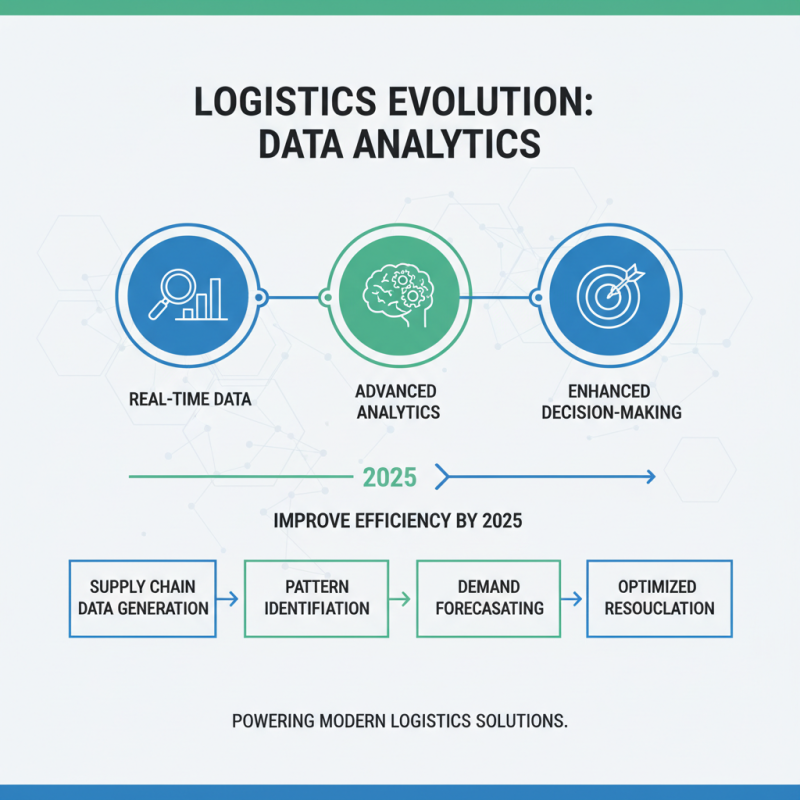
In the ever-evolving landscape of logistics, integrating data analytics plays a crucial role in enhancing decision-making processes. As companies strive to improve efficiency by 2025, leveraging real-time data serves as a foundational element of modern logistics solutions. By harnessing advanced analytics tools, organizations can gain valuable insights from vast amounts of data generated at every stage of the supply chain. This not only aids in identifying patterns and trends but also helps in forecasting demand more accurately, ultimately leading to optimized resource allocation.
Moreover, the integration of data analytics fosters better collaboration across various stakeholders in the logistics chain. When data is shared and analyzed collaboratively, it enables the identification of bottlenecks and inefficiencies in the operation. For example, predictive analytics can be employed to foresee potential delays, allowing companies to make proactive adjustments to their logistics plans. This data-driven approach empowers decision-makers with the clarity needed to implement strategic changes, reduce costs, and enhance overall productivity, making logistics operations more resilient and responsive to market dynamics.
Best Practices for Ensuring Seamless Logistics Tracking Implementation
In the dynamic world of logistics, implementing seamless tracking solutions is essential for enhancing operational efficiency. Best practices begin with the integration of advanced technology, such as IoT devices and AI-powered analytics, which enable real-time visibility into the supply chain. By utilizing these tools, companies can monitor shipments closely, anticipate potential delays, and respond swiftly to any disruptions. Regular training for staff on utilizing these technologies will ensure that everyone is adept at leveraging the tools at their disposal, ultimately leading to improved accuracy and faster decision-making processes.
Additionally, establishing clear communication channels among all stakeholders further enhances tracking implementation. Whether it's between suppliers, logistics providers, or customers, effective communication ensures that everyone is on the same page regarding shipment statuses and expectations. Automating notifications about shipment progress can keep all parties informed while reducing the burden of manual updates. Furthermore, gathering feedback from users can drive continuous improvement in logistics tracking processes, ensuring that they remain efficient and responsive to changing market demands. By prioritizing technology integration and fostering strong communication, organizations can significantly enhance their logistics tracking capabilities in 2025.
How to Enhance Your Logistics Solutions Tracking for Better Efficiency in 2025 - Best Practices for Ensuring Seamless Logistics Tracking Implementation
| Tracking Technology |
Implementation Cost |
Expected Efficiency Gain |
Time to Implement |
User Satisfaction Rate |
| GPS Tracking |
$2,000 |
20% |
1 month |
90% |
| RFID Technology |
$5,000 |
30% |
3 months |
85% |
| Mobile Tracking Apps |
$1,500 |
25% |
2 months |
88% |
| Cloud-based Solutions |
$4,000 |
35% |
5 months |
92% |
| Blockchain Tracking |
$10,000 |
40% |
6 months |
80% |