How to Effectively Track Your Logistics Freight in Real Time?
In the fast-paced world of logistics, real-time tracking is crucial. Experts like Dr. Emily Grant, a renowned logistics consultant, state, “Implementing efficient logistics freight tracking systems improves visibility and customer satisfaction.” This insight highlights the importance of staying updated on freight movements.
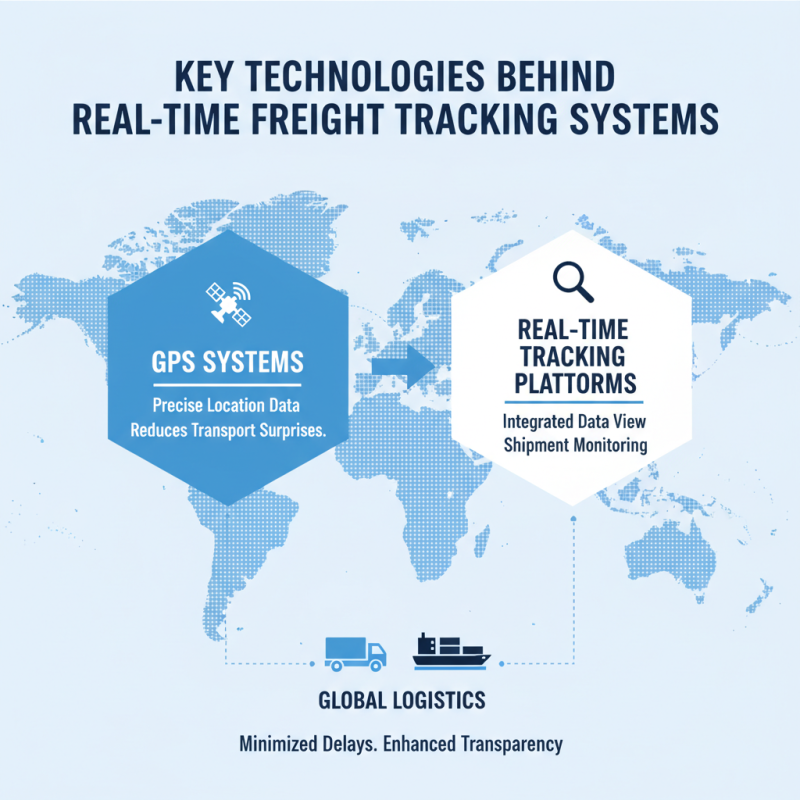
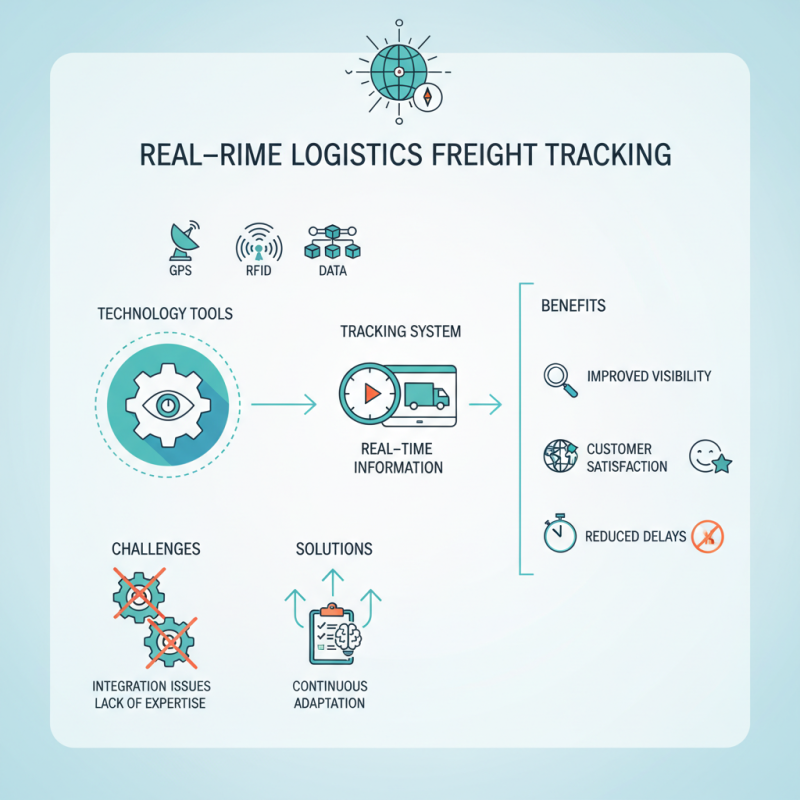
Logistics freight tracking involves using technology to monitor shipments. Companies can use GPS, RFID, and other tools to gather data. However, some organizations still struggle with integration. This lack of real-time information can lead to delays, miscommunication, and frustration.
Implementing robust tracking systems can be a challenge. Many firms lack the expertise to choose the right technology. Without proper training, even the best systems can fail. Reflecting on these limitations, businesses must evaluate their current processes. Improving logistics freight tracking should be a continuous effort, focusing on learning and adapting to new technologies.
Understanding the Importance of Real-Time Freight Tracking in Logistics
Real-time freight tracking has become a cornerstone in the logistics industry. A recent report states that businesses that utilize real-time tracking can improve their operational efficiency by up to 30%. Knowing where a shipment is at any given moment helps in making informed decisions. Delays can be detected quickly, allowing companies to communicate proactively with clients.
Investing in technology for tracking is essential. However, it comes with challenges. Not all logistics providers offer comprehensive tracking. Some systems might lack accuracy or real-time updates. Real-time tracking requires integration with existing systems, which may prove complicated. Research indicates that 75% of logistics companies struggle with this integration.
Tips: Keep your tracking system user-friendly. Simplifying navigation can enhance staff efficiency. Regularly evaluate the technology you use. Ensure it meets your logistics needs. Utilize data analytics to identify performance gaps and areas for improvement. Leveraging real-time data can turn challenges into opportunities. Tracking shouldn’t just be about locating goods; it should drive efficiency throughout the supply chain.
Real-Time Freight Tracking Efficiency
Steps to Implement Real-Time Tracking Solutions for Your Logistics
Implementing real-time tracking solutions can transform your logistics operations. Start by identifying the key assets you want to track. These could be shipments, vehicles, or containers. Gather important data points such as location, temperature, and shipment status. This information is crucial for timely decision making.
Next, invest in the right technology. Consider GPS tracking devices or IoT sensors. These tools can provide continuous updates. However, not all technologies are foolproof. Some may have coverage gaps, especially in remote areas. Be prepared for occasional discrepancies and stay proactive in addressing them.
Finally, integrate these solutions with existing systems. Ensure your team is trained to use the new tools effectively. It’s important to listen to their feedback. They may highlight aspects that need improvement. Real-time tracking can enhance visibility. However, challenges may arise. Reflect on these issues and work to refine your approach.
Best Practices for Monitoring and Managing Freight Movement
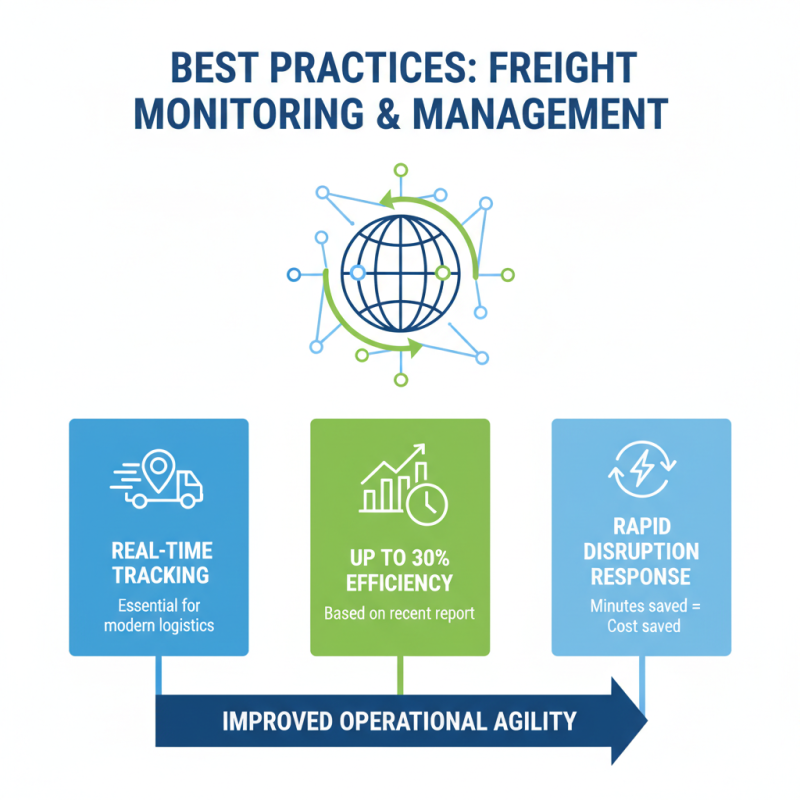
In the logistics industry, real-time freight tracking has become essential. A recent report indicated that companies using real-time tracking can improve efficiency by up to 30%. This is crucial in a field where every minute counts. Effective monitoring allows businesses to react swiftly to any disruptions.
Investing in technology that provides real-time updates can significantly reduce delays. Many companies overlook data analytics. However, analyzing trends from this data can reveal insights into operational inefficiencies. Identifying patterns helps in preventing issues before they arise.
**Tip:** Regularly check your tracking systems. Ensure they are up to date to prevent communication gaps.
Another best practice is to engage with all stakeholders. Keeping communication open between carriers, suppliers, and customers fosters transparency. Studies show that transparency in freight tracking increases customer satisfaction by 25%. Yet, many businesses still struggle to maintain this level of communication.
**Tip:** Set regular check-ins with partners. Simple updates can make a significant difference.
Analyzing Data from Real-Time Tracking for Improved Logistics Efficiency
Real-time tracking in logistics is transforming how businesses operate. As per recent industry reports, companies leveraging real-time tracking can improve delivery efficiency by approximately 25%. This efficiency is often reflected in enhancing customer satisfaction and minimizing delays. Accurate tracking data allows for swift adjustments in logistics plans. Such data-driven decisions lead to reduced waste and better resource allocation.
However, not all tracking systems provide the same level of detail. Many businesses still struggle with integrating disparate data sources. One survey indicated that nearly 70% of logistics providers faced challenges in harnessing real-time information effectively. This gap suggests a need for robust data analysis capabilities. It’s not just about tracking shipments; it's about understanding trends and adapting strategies based on real-time insights.
Utilizing advanced analytics is key to overcoming these challenges. By analyzing data patterns, businesses can identify bottlenecks and anticipate disruptions. For instance, traffic patterns can be analyzed to optimize delivery routes. Such insights lead to fewer delays and cost savings. Yet, the reliance on technology needs caution. Data accuracy varies, and misinterpretations can lead to misguided strategies. Many firms must reflect on their current practices and embrace a more holistic approach to data integration for enhanced logistics efficiency.