In the world of logistics, effective tracking is crucial, especially for truck shipping tracking. Companies face challenges in ensuring timely deliveries while managing costs. A streamlined tracking solution can enhance transparency and improve customer satisfaction.
Implementing innovative truck shipping tracking tools can lead to better decision-making. Businesses must choose technologies that align with their operational needs. Investing in reliable tracking systems is essential. Yet, not every solution may meet expectations right away.
Regular evaluation of tracking systems is needed. Identifying areas for improvement can refine processes further. A reliable truck shipping tracking solution not only aids in efficiency but also builds customer trust. Companies must remain flexible and receptive to new ideas in this evolving field.

Truck shipping tracking solutions have become essential in today’s logistics landscape. As reported by the American Transportation Research Institute, 68% of shippers see improved visibility of shipments as a crucial factor in reducing costs. This awareness signifies the growing importance of real-time tracking systems. Shippers want to know where their goods are at all times, allowing for better inventory management and customer satisfaction.
Implementing effective tracking solutions also enhances accountability. In a recent survey, 55% of logistics professionals stated that lack of visibility led to delays. Thus, real-time updates can mitigate such issues. Using GPS and IoT technologies can increase accuracy in shipment tracking. These tools enable precise location monitoring and timely updates.
Tip: Establish clear communication channels with carriers. Open lines of communication help address issues quickly.
Tip: Choose a tracking solution that allows for integration with existing systems. Seamless integration can save time and reduce errors.
Tracking also aids in identifying trends. Analyzing this data can help companies refine their shipping strategies. Decision-makers must be aware of the gaps in their processes. Reflection on prior shipments can lead to important insights for improvement.
| Tip | Description | Benefits | Technology Used |
|---|---|---|---|
| Real-Time GPS Tracking | Utilizing GPS technology to track the location of trucks in real-time. | Increased visibility and accountability in the shipping process. | GPS devices, Mobile Apps |
| Automated Notifications | Setting up alerts for shipment status changes via email or SMS. | Timely communication helps in proactive decision-making. | Notification Systems, API Integration |
| Data Analytics | Analyzing shipping data to identify trends and inefficiencies. | Improved operational efficiency and cost reduction. | Data Analytics Tools, BI Software |
| Customer Portal | Providing a platform for customers to track their shipments directly. | Enhanced customer experience and reduced inquiries. | Web Development, Customer Relationship Management |
| Regular Training | Training staff on the effective use of tracking systems. | Maximized system utilization and accuracy in tracking. | Training Programs, E-learning Platforms |

When selecting tracking software for truck shipping, there are essential features to prioritize. Real-time location tracking is crucial. A study by Logistics Management revealed that 87% of shippers appreciate visibility into transit times. Knowing where a shipment is at any moment can drastically enhance customer satisfaction. Additionally, accurate ETA predictions can help companies optimize their logistics plans.
Another important feature is automated alerts and notifications. Systems that send updates on shipment status reduce uncertainty. According to a report by Gartner, companies utilizing proactive notifications see a 30% decrease in customer inquiries. This not only saves time but also allows logistics teams to address issues before they escalate. However, relying solely on alerts can lead to complacency. Regular checks are still needed.
Data analytics capabilities are also vital. Analyzing shipping data can uncover trends and inefficiencies. Research from the Council of Supply Chain Management Professionals showed that data-driven decisions lead to a 15% reduction in logistics costs. Yet, many companies struggle with effectively using this data. They need to invest in training and tools for their teams. Proper implementation can significantly boost overall efficiency in shipping processes.
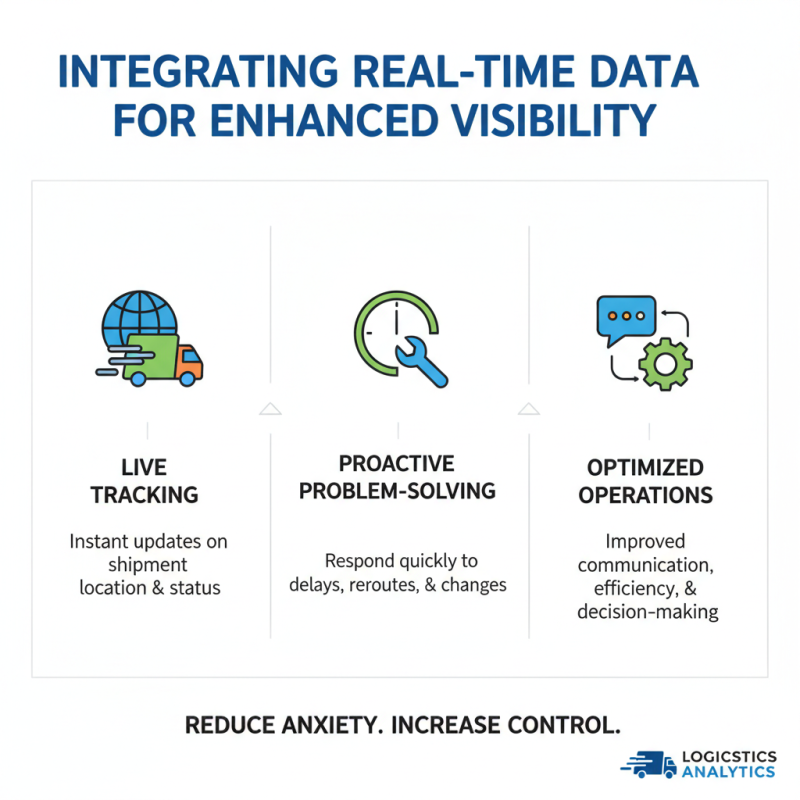
Real-time data integration is vital for effective truck shipping tracking solutions. When you have access to live updates, you can react promptly to delays or changes. Visibility enhances decision-making and overall efficiency. Shippers and carriers can communicate better, ensuring a smooth flow of goods. Seeing where a shipment is at any moment reduces anxiety.
To improve tracking, invest in quality software that updates in real-time. This provides accurate location information. Implement geo-fencing as an alert tool. It notifies you when trucks enter or exit specific areas. Utilizing cloud technology can also centralize data access. This allows all stakeholders to view important information simultaneously.
Explore partnerships that offer advanced tracking solutions. Sharing insights can lead to better routes and reduced costs. Consistent data analysis can highlight trends. These trends empower shippers to make informed decisions. A blend of technology and collaboration ensures you remain proactive rather than reactive.
Implementing effective tracking systems is crucial for the trucking industry. According to a 2022 report by the American Transportation Research Institute, over 55% of shippers believe that real-time tracking can enhance their operations. Real-time data not only increases transparency but also builds customer trust.
To set up a successful tracking system, focus on integration. Ensure that your tracking software can communicate seamlessly with existing logistics platforms. This can reduce disruptions and improve efficiency. Regular training for staff is also vital. Equip them with the skills to handle the technology properly. Ignoring this can lead to underutilized systems and frustrated employees.
Another key aspect is proactive monitoring. Use alerts to notify stakeholders about delays or issues immediately. This minimizes surprises and allows for quick resolutions. Industry experts suggest that this approach can reduce delivery delays by up to 20%. However, some companies may neglect the importance of ongoing updates. Regularly refreshing your tracking techniques ensures they remain relevant and effective in a fast-paced market.
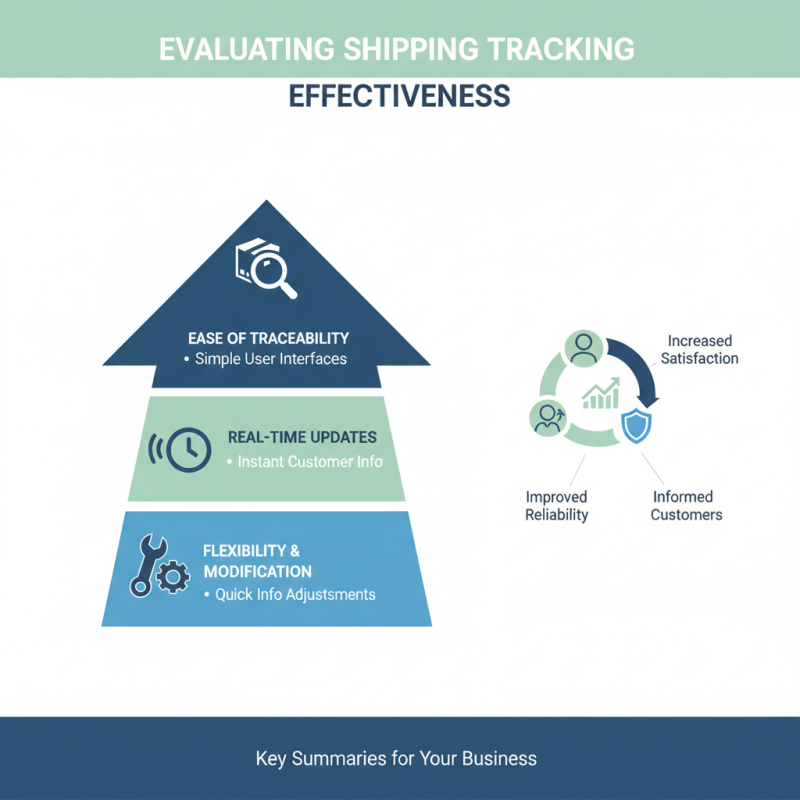
Evaluating the effectiveness of your shipping tracking solutions requires a detailed approach. Start by assessing how easily you can trace shipments. Simple interfaces improve user satisfaction. Look for real-time tracking updates, as they keep customers informed. If updates lag, frustration increases. You want systems that allow quick modifications. Flexibility in updating information adds to reliability.
Consider the feedback from your team about the tracking tools. Are they user-friendly? Metrics should indicate efficiency. If employees find the system complicated, it may lead to errors. Evaluate the reporting capabilities too. Clear reporting allows for better decision-making. Constantly request feedback for improvements. There’s always room for enhancement.
A thorough evaluation should also involve analyzing cost versus benefits. Does the system reduce delivery delays? Check the integration with existing platforms. Seamless transitions save time. Keep an eye on the customer experience. Satisfied customers are likely to return. Tracking solutions should evolve with your business needs. It’s an ongoing process, not a one-time setup.