What You Need to Know About China Sea Freight Costs?
Understanding China Sea Freight costs is crucial for businesses involved in international trade. According to the National Retail Federation, shipping costs have risen dramatically, influencing pricing strategies and supply chain management. In 2023, the average cost of shipping a 40-foot container from China to the U.S. reached $2,500, which is up from $1,800 in the previous year.
This surge in China Sea Freight costs reflects various factors, including port congestion and fluctuating demand. The Baltic Dry Index indicates that shipping rates are volatile, and companies must navigate these challenges. Ongoing geopolitical tensions further complicate matters, leading to unpredictability in freight pricing.
How do businesses respond to these rising costs? Some companies optimize their routes or turn to alternative shipping methods. However, these adjustments may not always yield expected savings. Thus, understanding the nuances of China Sea Freight is more vital than ever for financial planning and operational efficiency. Adapting to these conditions requires continuous monitoring and strategic decision-making.
Understanding the Basics of China Sea Freight Costs
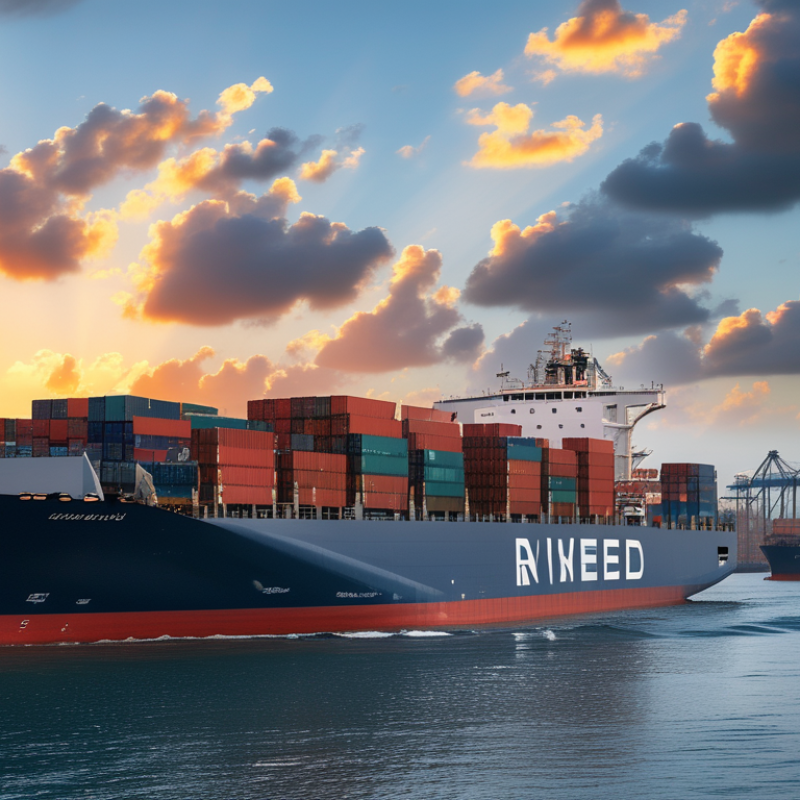
Understanding the basics of China sea freight costs is essential for businesses and importers. Shipping costs fluctuate due to several factors. The distance, shipping method, and cargo type are crucial in determining the final price. Container size also plays a role. A standard 20-foot container will usually cost less than a 40-foot container. This is a fundamental aspect to consider when budgeting for shipping.
Another key aspect is fuel prices. They can impact overall freight costs significantly. As fuel prices rise or fall, so do shipping rates. Shipping lines adjust their rates, which can lead to unexpected increases in shipping costs. Additionally, seasonal demand affects pricing. During peak seasons, such as holidays, prices may surge. Companies should prepare for these fluctuations.
Lastly, understanding loading and unloading fees is vital. Ports may charge various fees, and these can vary. Hidden charges can accumulate, leading to confusion. Keeping track of these costs requires careful planning. Oversights in budgeting can lead to budget overruns. Tracking all associated expenses offers a better picture of the total cost. Navigating these waters is complex, but knowledge is power.
Factors Influencing Sea Freight Costs in China
When discussing sea freight costs in China, several factors come into play. The primary variable is the distance from major ports. The average shipping cost can range from $1,500 to $3,000 per container depending on this factor. Proximity to busy shipping lanes can also reduce overall costs, enhancing reliability.
Another significant influence is the type of cargo. For example, high-demand goods like electronics often cost more due to tighter schedules and increased freight rates. In contrast, bulk goods may see lower costs, averaging around $800 to $1,200 per container. Market conditions further affect these rates; fluctuations in fuel prices and supply chain disruptions can lead to unexpected increases.
Seasonality plays a crucial role as well. Peak seasons, like before major holidays, witness skyrocketing rates. According to industry reports, costs can surge by 50% during these periods. Larger shipping companies often maintain a pricing strategy that reacts swiftly to global changes, emphasizing the need for shippers to stay informed and prepared for potential shifts in costs.
What You Need to Know About China Sea Freight Costs? - Factors Influencing Sea Freight Costs in China
| Factor | Description | Impact on Cost (%) |
| Fuel Prices | The cost of fuel significantly affects shipping expenses as it is a major operational cost for shipping companies. | 30% |
| Cargo Volume | Higher volumes can lead to lower per unit costs due to economies of scale. | 20% |
| Distance | The longer the distance the cargo has to travel, the higher the cost due to increased transit time and fuel consumption. | 15% |
| Port Fees | Fees charged by ports for loading and unloading cargo can vary significantly between locations. | 10% |
| Type of Cargo | Different types of cargo (heavy, hazardous, perishable) may incur different handling and insurance costs. | 10% |
| Seasonality | Peak seasons can drive up demand for space on ships, increasing prices. | 10% |
| Exchange Rates | Fluctuations in currency values can affect the overall cost, especially for international shipments. | 5% |
Comparing Different Shipping Methods and Their Costs
Shipping costs in the China Sea can vary significantly based on the method chosen. Air freight is the quickest but often the most costly option. If speed is critical, air transport may justify the expense. However, for heavy and bulky goods, sea freight is generally more economical. The trade-offs between speed and cost should guide your decision.
Containers play a vital role in sea freight. Full container loads (FCL) are more cost-effective per unit than less-than-container loads (LCL). Understanding your cargo’s volume and weight is essential. For businesses with frequent shipments, optimizing container usage can greatly reduce overall costs.
Tips:
- Consider seasonal fluctuations in shipping costs. Rates can soar during peak times, like before holidays.
- Book shipments early to secure better rates.
- Another tip is to work with a freight forwarder who understands the complexities of different shipping methods and can offer tailored advice.
With the right guidance, you can navigate these choices more effectively.
Tips for Reducing Sea Freight Expenses from China
When shipping goods from China, sea freight costs can greatly impact profitability. To manage these expenses, it's essential to understand the various factors that influence pricing. The Shanghai Containerized Freight Index (SCFI) noted a fluctuation in rates, with average costs per TEU rising significantly this year. By understanding these trends, businesses can make informed decisions.
One practical way to reduce sea freight expenses is by optimizing container use. A well-packed container maximizes space and minimizes costs. According to industry reports, shippers can save up to 30% simply by improving load efficiency. Additionally, exploring multiple shipping routes can reveal cost-effective options. Seasonal demand fluctuations often lead to varying rates, and taking advantage of off-peak seasons can yield savings.
Lastly, maintaining strong partnerships with freight forwarders is crucial. Experienced professionals can provide insights into the best practices and negotiate competitive rates. However, not all forwarders have the same level of service or pricing. Researching and comparing options is essential. Businesses must be cautious and fully vet their freight partners to avoid unforeseen charges that could derail budgets.
China Sea Freight Costs Overview
This bar chart illustrates the average sea freight costs from China over the course of the year. It highlights the trends and fluctuations in shipping expenses, providing valuable insights for businesses looking to manage and reduce their logistics costs effectively.
Navigating Regulations and Tariffs Affecting Sea Freight Costs
Navigating the complex landscape of regulations and tariffs can have a significant impact on sea freight costs. In recent studies, it has been noted that regulatory compliance alone can increase shipping expenses by approximately 10% to 15%. Various authorities enforce strict compliance, which adds to logistical challenges. Importers must stay informed about changes in tariffs. For example, the World Trade Organization reported that tariff rates fluctuate frequently, which complicates cost forecasting for businesses.
The complexities do not end there. Each country has unique regulations that govern shipping practices. Moreover, unforeseen changes in regulations can lead to delays. A survey indicated that 30% of supply chain professionals experience shipment delays due to regulatory issues. This situation necessitates a proactive approach to avoid unnecessary costs and lost opportunities.
Understanding these regulations enables businesses to adapt more fluidly. However, staying updated is daunting and often requires input from freight experts. Professional guidance is crucial in navigating the complexities of international sea freight. Such expertise not only mitigates risks but also assists in optimizing overall logistics strategy. Embracing this knowledge can lead to better decision-making in the face of ever-changing conditions.