2026 Best Ways to Rate Shipping for Your Business
In the world of e-commerce, the ability to rate shipping effectively is essential for success. Businesses often struggle to find the best methods to evaluate shipping options. The right strategies can make a significant difference in customer satisfaction and overall profitability.
Understanding how to rate shipping can streamline operations. It may seem straightforward, but many companies overlook critical details. Are you considering factors like delivery time, cost, and reliability? Each of these aspects impacts your business. Neglecting to assess them could lead to lost customers.
Creating a solid approach to rate shipping requires effort. You might find that some methods work better than others. Experimentation and feedback play crucial roles. Analyze your customers’ responses frequently. Find patterns in shipping choices, and adjust as needed.
Best Practices for Evaluating Shipping Options in 2026
Evaluating shipping options in 2026 will require a clear understanding of your business needs. Start by considering your customers' expectations.
Fast delivery might be crucial for e-commerce. Other businesses may prioritize cost. Each decision impacts customer satisfaction and brand reputation.
It’s necessary to balance speed, reliability, and pricing.
Next, assess the efficiency of potential carriers. Look for delivery times and historical performance data. Analyze how they handle delays.
Some carriers may promise quick shipping but often fail to meet deadlines. Investigate reviews and feedback from other businesses.
Understanding their experience can offer valuable insights.
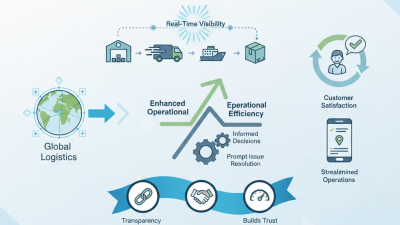
Don’t ignore the technology aspect. Advanced tracking systems can enhance your visibility. However, they may come with added costs.
Evaluate whether the investment fits into your budget. Assess how user-friendly these technologies are.
Complicated systems could frustrate both your team and your customers. Continuous reflection on these factors will help refine your shipping strategy over time.
Key Factors to Consider When Rating Shipping Services
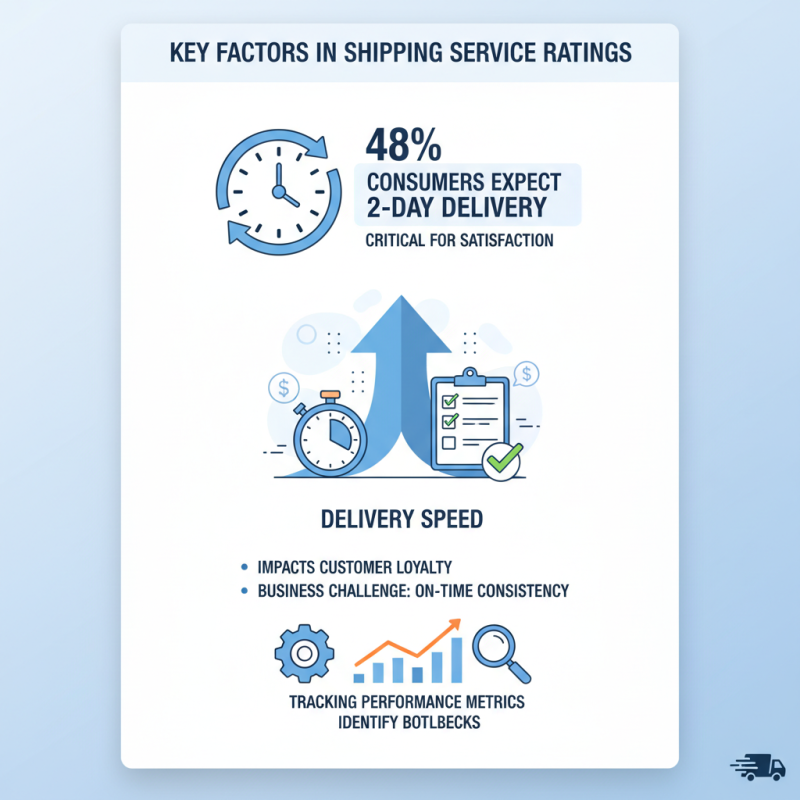
When rating shipping services, companies must consider several key factors. Speed of delivery remains critical. According to a recent logistics report, 48% of consumers expect their packages within two days. Meeting this expectation can significantly enhance customer satisfaction. However, many businesses struggle to consistently deliver on time. Tracking performance metrics can help identify bottlenecks.
Cost is another important factor. A survey revealed that 67% of shoppers abandon their carts due to high shipping fees. Finding a balance between affordability and quality is essential. Many businesses may opt for cheaper options but sacrifice reliability. This can lead to unhappy customers. Flexibility in shipping options allows businesses to cater to diverse customer needs, but managing various providers can be complicated.
Customer service also plays a vital role. A poor experience can lead to negative reviews. For instance, reports show that 25% of customers will share grievances online. Companies need to ensure responsive communication regarding shipping issues. The visibility of each shipment can enhance transparency, but not all businesses prioritize this. Some may overlook the importance of providing detailed tracking information, which can leave customers feeling anxious.
Comparative Analysis of Shipping Providers for Businesses
Choosing the right shipping provider is crucial for your business. Each provider has unique strengths and weaknesses. An effective comparative analysis helps you understand which option meets your specific needs.
Evaluating shipping speeds is essential. Some providers guarantee faster delivery times, while others may save costs but fall short on timeliness. Analyze your customer expectations. If they demand quick shipping, a slower provider could hurt your reputation.
**Tip:** Look for data on average delivery times. Real user reviews reveal insights you might overlook.
Pricing structures also vary significantly. Some providers offer flat rates, while others charge based on weight or distance. Reflect on your shipping volume. A provider that looks cheap at first may not be cost-effective for your business.
**Tip:** Consider hidden costs like fuel surcharges. They can impact your final expenses.
Furthermore, customer service quality should not be ignored. A shipping provider with poor support can lead to missed queries or damaged packages. This requires reassessment of your choices.
**Tip:** Test their support response time. Quick replies indicate good practice, but delays can signal future issues.
2026 Best Ways to Rate Shipping for Your Business
| Shipping Provider |
Delivery Time (Days) |
Cost ($) |
Customer Satisfaction (%) |
Tracking Features |
| Provider A |
3-5 |
15.00 |
92 |
Real-time GPS tracking |
| Provider B |
2-4 |
10.00 |
85 |
Email notifications |
| Provider C |
5-7 |
20.00 |
87 |
Mobile app tracking |
| Provider D |
1-3 |
12.50 |
90 |
SMS updates |
| Provider E |
4-6 |
18.00 |
80 |
Basic tracking |
How Technology Enhances Shipping Rate Evaluation
Shipping costs play a significant role in business operations. Technology has revolutionized how we evaluate these rates. According to a report by FreightWaves, 61% of companies use digital tools for shipping rate analysis. This statistic highlights the growing reliance on technology to enhance decision-making.
Modern tools allow real-time tracking of shipping rates. Businesses can compare costs from multiple carriers instantly. This efficiency can lead to savings of 10% or more on shipping expenses. However, not all companies fully utilize these technologies. A study by Gartner found that 45% of small businesses still rely on outdated methods, leading to inefficiencies.
Data analytics plays a crucial role in shipping rate evaluation. Companies can analyze historical shipping data to predict costs accurately. Yet, many firms struggle to implement these data-driven strategies. The disconnect often lies in the lack of training and resources. A survey by Logistics Management revealed that 39% of respondents felt overwhelmed by available technologies. They need guidance to leverage these tools effectively.
2026 Shipping Rate Evaluation Using Technology
Customer Feedback and Its Role in Shipping Performance Ratings
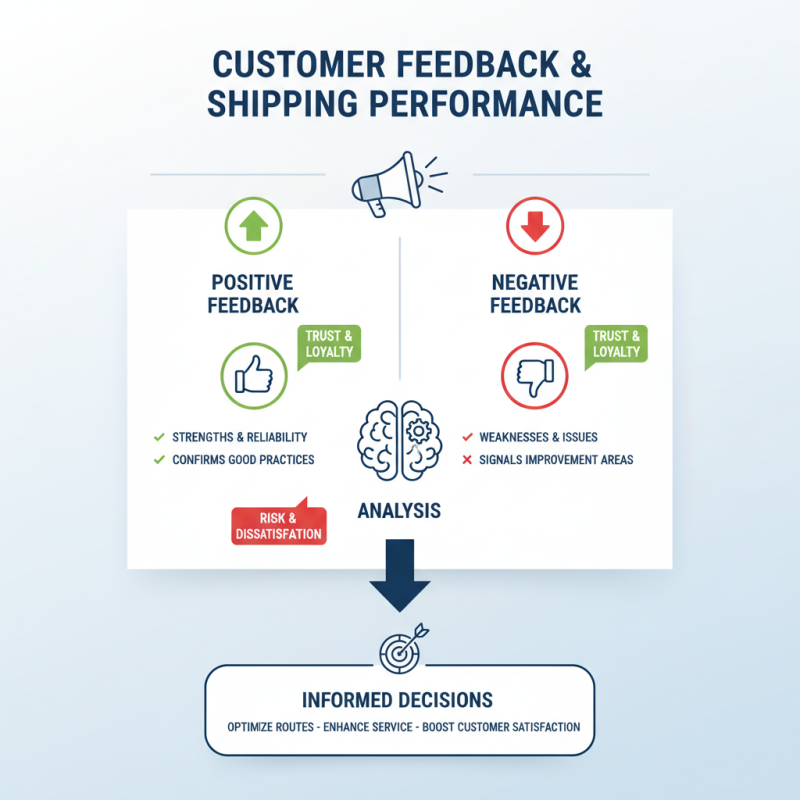
Customer feedback plays a crucial role in assessing shipping performance. When businesses listen to their customers, they can identify strengths and weaknesses. Positive feedback helps highlight reliable delivery practices. Conversely, negative comments can signal areas needing improvement. By analyzing this feedback, companies can make informed decisions.
Consider how many customers express concerns about delivery times. Delays frustrate them. Some might abandon their shopping carts due to shipping issues. This feedback is vital. It offers real insights. When delivery performance falls short, businesses need to explore why. Were there logistical challenges? Were carriers delayed? These questions guide necessary changes.
Using surveys can help gather detailed customer input. Ask specific questions about their shipping experience. Seek information about packaging quality or the condition of the item upon arrival. Such data is invaluable. It can illuminate patterns in customer satisfaction. However, businesses must be open to criticism. Embracing a culture of improvement can lead to better shipping ratings. Regularly reviewing feedback ensures that businesses stay responsive to customer needs.