2026 Best Rate Shipping Tips for Global Buyers Seeking Value?
In 2026, the global shipping landscape remains complex and competitive. Rate shipping plays a crucial role in determining overall shipping expenses. According to a report by the International Federation of Freight Forwarders Associations (FIATA), global shipping costs have increased by 15% due to ongoing supply chain disruptions. This data highlights the necessity for buyers to seek value when navigating shipping options.
Savvy buyers must understand that not all shipping rates reflect the same quality of service. Research from the World Bank notes that cost-efficient shipping not only saves expenses but also ensures timely delivery. Many global buyers find themselves overwhelmed by various options. They often overlook crucial details like shipping method, delivery time, and packaging, which can significantly impact overall costs.
Everyone desires the best deals. However, focusing solely on the lowest rate shipping can lead to unforeseen issues. Some companies may offer attractive rates but deliver poor service quality. Reliability in shipping is paramount, as a failed delivery can affect the buyer's reputation. Thus, evaluating shipping options requires deliberation and awareness.

Understanding Shipping Costs: Key Factors Influencing Rates
Shipping costs can be a complex aspect of global purchasing. Various factors influence these rates. Distance, weight, and shipping method play crucial roles. For example, air freight is faster but often more expensive than sea shipping. Understanding these elements helps buyers make informed decisions.
Here are some tips to get the best shipping rates:
- Compare multiple carriers. Different companies may offer varied rates for similar services.
- Utilize weight optimization. Reducing package weight can lead to significant savings.
- Consider shipping consolidators. They can offer reduced rates by combining shipments.
Buyers should also look for hidden fees. Customs duties and taxes add to overall costs. Understanding these charges helps avoid surprises. Some buyers find online calculators useful. They provide estimates based on specific parameters.
Navigating international shipping can be challenging. Knowing key factors empowers buyers to save money. It fosters confidence in making value-driven decisions.
Comparing Shipping Methods: Pros and Cons of Various Options
Choosing the right shipping method
can define your buying experience. Each option has distinct advantages and drawbacks.
Air freight is fast but often costly.
It allows for quick delivery of urgent items, yet the price can be prohibitive for larger shipments.
Additionally, customs processes can delay even the swiftest air freight.
Ocean freight presents a more economical choice.
It’s ideal for bulk shipments, offering lower rates per unit. However, the trade-off is time.
Deliveries can take weeks or even months. This slower pace requires careful planning. Additionally,
the risk of damage during transit is higher with cargo shipped over long distances.
When considering courier services, you gain speed and reliability.
Most offer tracking features, enhancing your ability to follow shipments. Yet, costs can escalate, particularly for
international deliveries. Evaluating your priorities is essential.
Balancing speed, cost, and reliability reflects your shipping strategy. Every method demands thought.
Strategies for Reducing Shipping Fees: Tips for Global Buyers
Shipping costs can significantly impact the overall value for global buyers. According to a recent report by Logistics Management, shipping fees have risen by over 30% since 2020. Understanding strategies to reduce these costs can enhance purchasing power. Buyers often overlook the importance of comparing carriers. Even minor differences in rates can lead to substantial savings over time.
Additionally, consolidating shipments can be beneficial. Shipping multiple items together reduces per-unit costs. A study by FreightWaves shows that consolidated shipments can lead to savings of up to 20% compared to individual shipments. However, this requires planning and patience, as delays can occur. Monitoring your shipping frequency and volume is essential. Recognizing patterns can help buyers make informed decisions that ultimately lower costs.
Many buyers rely on express shipping because of the speed. However, it often comes with a premium. Choosing standard shipping may take longer but can save significant money. Websites like ShipStation provide insights into shipping options, helping buyers find the best fit for their needs. Ultimately, balancing speed and cost is a common challenge. By leveraging available resources and data, global buyers can significantly reduce shipping fees in 2026.
2026 Best Rate Shipping Tips for Global Buyers Seeking Value
| Strategy |
Description |
Estimated Savings (%) |
Time to Implement |
| Consolidate Shipments |
Combine smaller parcels into a single shipment to reduce costs. |
10-20% |
1-2 weeks |
| Use Freight Forwarders |
Partner with freight companies to get better bulk rates. |
15-30% |
2-4 weeks |
| Employ Local Warehousing |
Store goods closer to the customer to minimize shipping distances. |
20-40% |
4-6 weeks |
| Negotiate Shipping Rates |
Talk directly with carriers to secure lower rates. |
5-15% |
1-3 weeks |
| Choose the Right Shipping Method |
Select the most cost-effective shipping option based on urgency. |
10-25% |
Immediately |
Timing Your Shipments: How Delivery Times Affect Costs
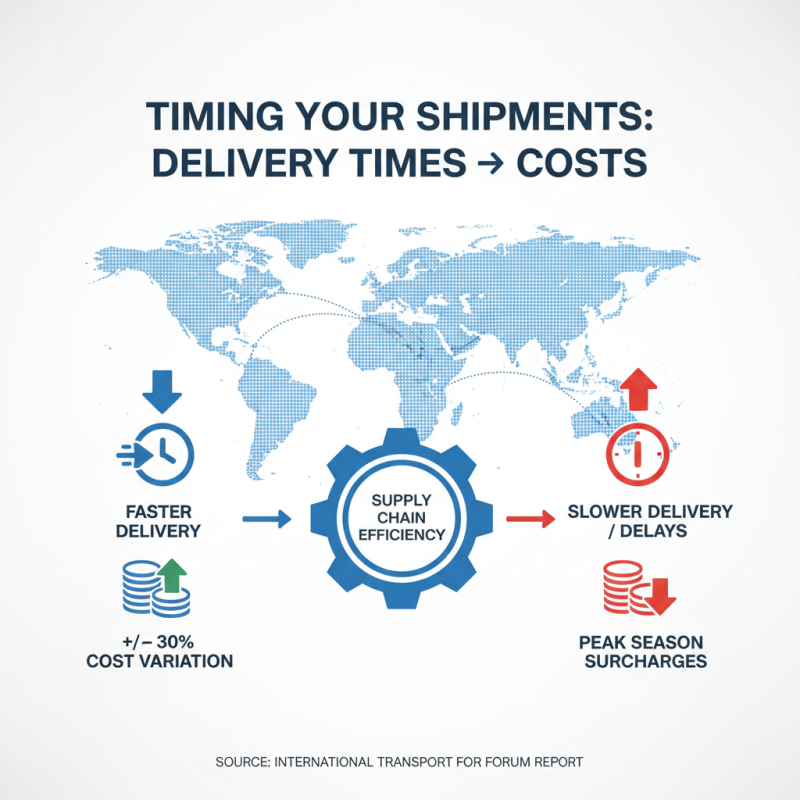
When shipping globally, timing can significantly influence costs. A recent report from the International Transport Forum revealed that delivery times can affect shipping rates by up to 30%. Delays in the supply chain result in additional fees, especially in peak seasons. Adjusting your shipment timing may help avoid these surges.
Consider shipping during off-peak times. Demand typically drops after holidays, leading to lower rates. The Federal Maritime Commission noted that average shipping costs decreased by 15% in the weeks following major holidays. However, careful planning is crucial. Shipping too early might risk storage fees, while waiting too long can lead to stock shortages.
Analyze lead times and select carriers wisely. According to the World Bank, using less popular routes may save costs, but can lengthen delivery times. Seek a balance between price and reliability. Sometimes, spending a bit more on a faster service can save you money in the long run, particularly with perishable goods. Time is of the essence, and every decision impacts your bottom line.
Utilizing Technology: Tools for Finding the Best Shipping Deals
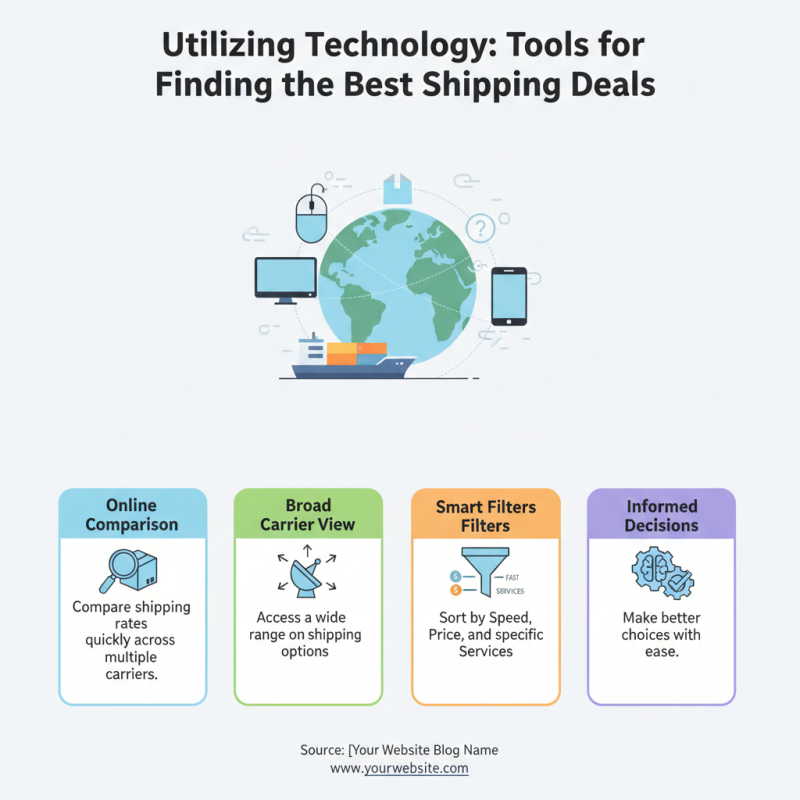
Technology has transformed shipping for global buyers. Online tools allow users to compare shipping rates quickly. These platforms track various carriers, giving you a broad view of options. They often include filters for speed, price, and services offered. Using these features, buyers can make informed decisions easily.
However, relying solely on technology can have downsides. Not all tools account for extra costs like customs fees and handling charges. Users may miss these hidden costs. Additionally, some platforms might not update in real-time, leading to outdated information. A critical approach is necessary when evaluating different deals.
Many buyers find themselves overwhelmed with choices. This can lead to confusion and indecision. It's essential to take the time to research thoroughly. Cross-check information between sources. Ultimately, combining technology with personal insights provides the best results in finding value in shipping.