2026 Top Midwest Trucking Tracking Solutions for Efficient Logistics?
Efficient logistics is crucial for the success of businesses in the Midwest. With the rise of e-commerce, the demand for effective transport solutions grows. As a result, Midwest trucking tracking has become essential. Companies now rely on advanced tracking systems. These tools help manage and optimize shipping routes.
Many trucking solutions aim to enhance visibility and improve delivery times. However, not all systems prove effective. Some face issues such as data overload and integration challenges. Businesses must carefully evaluate options. They should consider features that simplify rather than complicate operations. A balance between technology and human oversight is necessary.
The logistics landscape will continue evolving. Future tracking solutions should address common pitfalls. Midwest trucking tracking must focus on user-friendly designs. Simplicity in tracking can lead to better decision-making. As we explore 2026's top solutions, we will seek to understand how to truly enhance efficiency in logistics.

Overview of Trucking Tracking Solutions in the Midwest
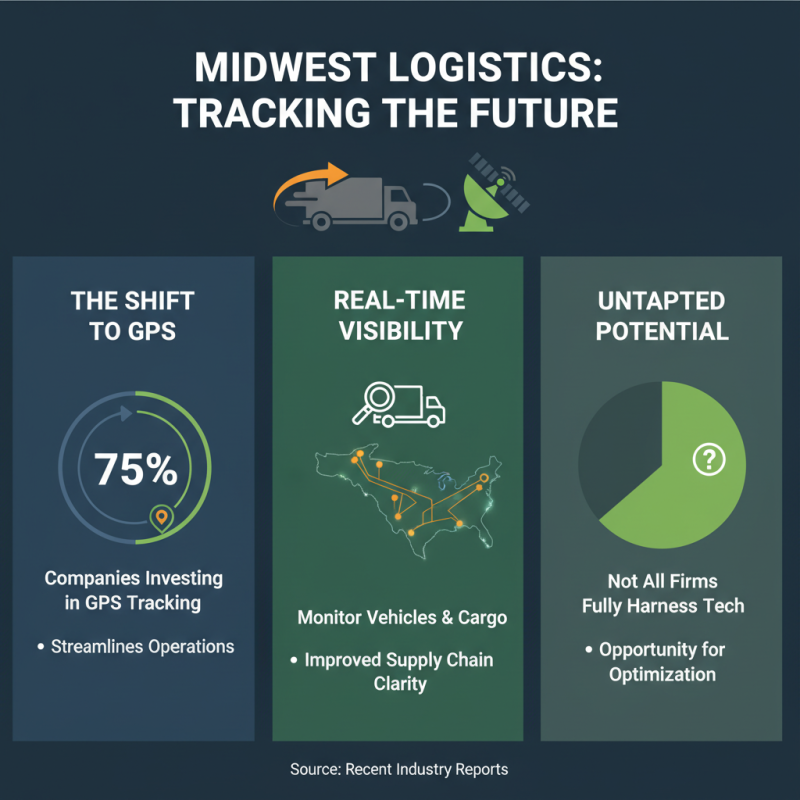
In the Midwest, efficient logistics rely heavily on advanced trucking tracking solutions. Recent industry reports indicate that nearly 75% of companies are investing in GPS tracking technology. This adoption streamlines operations and improves overall visibility in the supply chain. Real-time tracking allows logistics providers to monitor vehicles and cargo effectively. However, not all firms harness this potential fully.
A lack of unified systems can lead to inefficiencies. Many companies face challenges integrating new tracking software with existing operations. According to a recent survey, over 50% of logistics firms cite data silos as a major pain point. This fragmentation can result in delayed shipments and increased costs. Moreover, training staff to adapt to new technology remains a hurdle.
The importance of accurate data cannot be overstated. Tracking vital metrics such as fuel efficiency and delivery times is crucial. Companies need to reflect on how well they utilize available tools. Effective tracking can reduce operational costs by as much as 20%, but only if implemented strategically. For many in the Midwest, striking this balance between technology and operation is an ongoing challenge.
Key Features of Effective Trucking Tracking Systems
In the fast-paced world of logistics, effective trucking tracking systems are vital for success. These systems utilize real-time GPS technology to improve visibility. They allow logistics managers to monitor their fleet's location at any time. This transparency can lead to faster and more informed decision-making. However, reliance on technology can create challenges. System failures or data inaccuracies can lead to frustration.
Another critical feature is route optimization. Effective systems analyze traffic patterns and weather conditions. This helps in planning the best possible routes for deliveries. Improved routes not only save time but also reduce fuel costs. Still, there are issues, as unexpected delays can disrupt plans. Human error in data input can lead to incorrect routing.
Moreover, strong reporting capabilities provide insights into performance metrics. These metrics help organizations evaluate their operations regularly. They identify opportunities for improvement. Yet, sometimes these reports can overwhelm users with data. Without proper training, insights may be ignored. An effective tracking system must balance detail with usability.
2026 Midwest Trucking Tracking Solutions: Key Features Analysis
Benefits of Implementing Tracking Solutions in Logistics
In the fast-paced world of logistics, tracking solutions are essential. They enhance visibility and efficiency in operations. According to a study by the American Trucking Associations, implementing tracking technology can reduce delivery errors by up to 30%. This improvement is crucial for meeting customer demands and maintaining trust.
Additionally, real-time tracking allows for better route optimization. A survey from Logistics Management reported that companies using tracking solutions save an average of 10% on fuel costs. This statistic highlights the potential for significant savings. However, the adaptation process can be challenging. Companies may face resistance from employees who are accustomed to traditional methods.
Maintaining accurate data also poses a risk. If systems fail or data is mismanaged, it could lead to confusion. As more businesses shift to tracking solutions, it is essential to address these potential pitfalls. Balancing the advantages with realistic challenges will ensure successful implementation in the Midwest trucking sector.
Top Companies Providing Trucking Tracking Solutions in 2026
In 2026, the demand for efficient trucking tracking solutions is higher than ever. Companies are focusing on technologies that enhance visibility and communication. Real-time tracking is becoming a standard feature in the industry. This allows businesses to monitor their shipments closely. However, many solutions still face challenges with accuracy and reliability.
Some companies are adopting GPS and RFID technology to track their fleets. These systems can provide precise locations and status updates. Yet, frequent technical issues can arise. Connectivity problems sometimes disrupt tracking capabilities. This inconsistency can lead to confusion and lost trust among clients. Many logistics providers are seeking ways to improve this.
Data integration is another critical area for trucking tracking solutions. The ability to sync information across platforms is essential. However, not all systems are seamless. A lack of compatibility can create significant hurdles. Many companies find themselves needing to adapt or upgrade their systems. Improving these aspects is crucial for maintaining a competitive edge.
Future Trends in Trucking Tracking Technologies for Logistics
The future of trucking tracking technologies is evolving rapidly. Recent data shows that the global market for logistics tracking solutions will reach $30 billion by 2027. This significant growth highlights the importance of real-time visibility and efficiency in the industry. Many companies are now looking toward advanced GPS and RFID technologies for better asset tracking.
One emerging trend is the integration of artificial intelligence (AI) in tracking systems. AI algorithms can analyze data and predict delays or issues. Reports indicate that AI can reduce operational costs by up to 20%. However, implementing such sophisticated systems is not without challenges. Many companies struggle with data integration across their supply chains. This inconsistency can lead to inefficient resource allocation.
Moreover, while smart sensors offer exciting potential, they also come with drawbacks. Not all trucks are equipped for this technology. In fact, about 40% of carriers have reported difficulties in upgrading their fleets. As logistics companies seek efficiency, they must also navigate these hurdles. The balance between innovation and practicality remains a critical focus for future growth in trucking tracking technology.